

What to Expect: Your Essential Guide to Ultrasound Procedures

Ultrasound procedures have become instrumental in the world of medical diagnostics, offering a non-invasive method to visualize internal organs and structures. Whether you are preparing for your first ultrasound or have experienced these procedures before, understanding what to expect can alleviate anxiety and foster a sense of preparedness. What is an Ultrasound? An ultrasound, or sonogram, employs high-frequency sound waves to produce images of internal body structures. Unlike X-rays or CT scans, ultrasound does not involve radiation. The sound waves bounce off tissues and are captured to create detailed, real-time images. This technology is widely used to visualize organs, assess conditions during pregnancy, examine the heart, and evaluate various medical concerns. Types of Ultrasound Procedures Understanding the variety of ultrasound types can help you comprehend what your healthcare provider is looking for and how the procedure differs from one application to another: Obstetric Ultrasound: Primarily used during pregnancy to monitor fetal development. It helps in dating the pregnancy, assessing fetal growth, and detecting any abnormalities. Abdominal Ultrasound: This is performed to examine organs such as the liver, gallbladder, pancreas, kidneys, and spleen. It can help detect conditions like tumors or gallstones. Pelvic Ultrasound: Used to view pelvic organs in both men and women, this examination might assess conditions related to the bladder, prostate, ovaries, and uterus. Cardiac Ultrasound: Also known as echocardiography, this specialized ultrasound is used to visualize heart structures, assess blood flow, and evaluate cardiac function. Vascular Ultrasound: This type assesses blood flow in the arteries and veins, helping to identify blockages or clots. Preparing for Your Ultrasound Preparation can vary depending on the type of ultrasound you will be undergoing. Here are general guidelines: Fasting: For abdominal ultrasounds, you may be required to fast for several hours beforehand to improve image clarity. Your physician will provide specific guidelines. Hydration: For pelvic ultrasounds, you may be instructed to drink plenty of water before the procedure to keep your bladder full for better imaging. Clothing: Wear loose, comfortable clothing. You may be asked to change into a gown for the exam. The Procedure: What to Expect The ultrasound procedure itself is generally quick, lasting anywhere from 15 to 45 minutes depending on the type and complexity. Here’s a step-by-step breakdown of what you can expect: Arrival: Arrive at the facility 15 minutes early to complete any necessary paperwork. Positioning: You will be positioned lying down, typically on an examination table. Depending on the type of ultrasound, you may be asked to have your abdomen, pelvis, or another area exposed. Gel Application: A warm gel will be applied to the area being examined. This gel aids in sound wave transmission and prevents air from obstructing the process. Scanning: A transducer (a small handheld device) will be moved over the gelled area. You may hear a rhythmic sound, which is the sound waves being emitted and received. The technician may press firmly to get clearer images. Conclusion: Once complete, the gel will be cleaned off, and you will be free to get dressed. If fasting was required, you can eat afterward. Post-Procedural Considerations In most cases, there are no side effects associated with ultrasound procedures. You may resume your normal activities immediately after. The results will either be communicated during your visit or sent later, depending on the facility’s protocol. Your healthcare provider will discuss your results in detail, helping you understand the implications and potential next steps if further action is needed. Common Concerns and Questions It’s natural to have questions or concerns before undergoing an ultrasound. Here are some frequently asked questions and their answers: Is ultrasound safe? Yes! Ultrasound is a well-established diagnostic tool and is safe for both adults and children, including pregnant women. Will it hurt? The procedure is generally painless. Some pressure may be felt when the transducer is applied, but discomfort should be minimal. How do I know if I need an ultrasound? Your doctor will recommend an ultrasound based on your medical history, symptoms, and what they intend to diagnose or evaluate. Conclusion Understanding what to expect from an ultrasound procedure can help mitigate anxiety and prepare you for a smooth experience. These procedures serve as an invaluable tool in the medical field, providing essential insights into your health without the risks associated with other imaging modalities. Always consult your healthcare provider for personalized advice and information specific to your circumstances. © 2023 Your Health Guide. All rights reserved.
Why Choose a Private Pregnancy Clinic? Everything You Need to Know Before Booking

Understanding Private Pregnancy Clinics Choosing a pregnancy clinic is one of the most significant decisions a prospective parent can make. While public health systems offer excellent care, many families opt for private pregnancy clinics for a variety of reasons. These clinics typically provide personalized care focused on individual needs, which can make a considerable difference during such a pivotal time. Personalized Care and Attention One of the foremost advantages of private pregnancy clinics is the level of personalized attention patients receive. In a private setting, a lower patient-to-provider ratio means that healthcare professionals can spend more time with each individual. This can lead to: Tailored consultations that address personal concerns More comprehensive prenatal education A supportive environment for emotional well-being Expectant parents often feel more comfortable discussing sensitive topics in a setting where they know their concerns will be addressed promptly and thoroughly. Greater Flexibility in Scheduling Private clinics generally offer more flexible appointment scheduling compared to public health facilities. This flexibility can be crucial for working parents or those with busy lifestyles. Many private clinics allow patients to: Book appointments at convenient hours, including evenings and weekends Receive timely responses to inquiries and appointment requests Access telehealth services for non-emergency consultations This adaptability can significantly reduce stress during an already hectic time. Access to Advanced Technology and Amenities Private pregnancy clinics often invest in the latest medical technologies and facilities, offering advantages such as: State-of-the-art ultrasound machines More comfortable waiting areas and examination rooms Access to cutting-edge prenatal testing technologies These advancements can lead to better diagnostic capabilities, allowing for earlier detection of any potential issues. Moreover, the surrounding environment can improve the overall patient experience, contributing to a more positive pregnancy journey. Comprehensive Care Services Private clinics often provide a wide range of services that go beyond standard prenatal care. Expectant parents may benefit from: Nutrition and wellness consulting Access to mental health professionals specializing in pregnancy Prepared childbirth classes and parenting workshops This holistic approach can empower parents, equipping them with the knowledge and tools necessary for a successful transition to parenthood. Community and Support Networks Many private pregnancy clinics foster a sense of community among their patients. Participation in group classes, support groups, or even social events can provide invaluable support networks. Being part of a community can: Help parents connect with others experiencing similar challenges Provide emotional support and share resources Create lasting friendships that extend into parenthood Forming these connections can be particularly comforting during the pregnancy journey and beyond. Cost Considerations While the benefits of private pregnancy clinics are abundant, it’s essential to consider the financial implications. Private care often comes with higher costs. Here are some points to ponder: Determine if your health insurance covers private healthcare services. Weigh the costs against the potential benefits of personalized care. Consider options for financing or payment plans that some clinics may offer. It’s critical to be fully informed about the costs involved before making your decision. Choosing the Right Clinic When considering a private pregnancy clinic, here are several factors to help guide your decision: Research the credentials and experience of the medical staff. Read reviews and testimonials from previous patients. Visit the clinic in person to get a sense of the atmosphere and facilities. Ensure the clinic’s philosophy aligns with your own beliefs about pregnancy and childbirth. Taking the time to investigate and engage with potential clinics can result in a more informed and satisfactory decision. Conclusion Choosing a private pregnancy clinic can offer a wealth of benefits, from personalized care to advanced medical technologies. While it may come with higher costs, the potential for enhanced support during a critical time makes it an attractive option for many families. Whether it’s the flexibility in scheduling, access to a community, or the comfort of comprehensive care services, expectant parents must weigh their options carefully to find the best fit for their needs.
Ultrasound Services 101: What to Expect and How to Prepare

Ultrasound imaging, also known as sonography, is a non-invasive medical procedure that uses sound waves to create images of organs and structures inside the body. This technology plays a pivotal role in various diagnostic processes, ranging from assessing organ health to monitoring fetal development during pregnancy. However, many patients remain unclear about what to expect during an ultrasound examination or how to prepare for it. This article provides essential insights to prepare for your ultrasound experience. Understanding Ultrasound Technology At its core, ultrasound technology operates on a simple principle: high-frequency sound waves are emitted and then reflected back by tissues in the body, creating visual images. These images can help healthcare providers diagnose conditions related to the heart, blood vessels, kidneys, liver, and gallbladder, among others. Types of Ultrasound Procedures There are several types of ultrasound examinations, each designed to address specific medical queries: Abdominal Ultrasound: Used to assess organs in the abdominal cavity, such as the liver, gallbladder, spleen, pancreas, and kidneys. Pelvic Ultrasound: Primarily used to examine the female reproductive organs, such as the ovaries and uterus, as well as the bladder. Obstetric Ultrasound: Most commonly associated with prenatal care, this type evaluates the development of a fetus during pregnancy. Cardiac Ultrasound (Echocardiogram): Focuses on the heart’s structure and function, helping diagnose conditions like heart disease. Vascular Ultrasound: Evaluates blood flow in arteries and veins to detect blockages or other vascular issues. What to Expect During Your Ultrasound Appointment Upon arrival at the imaging center, you’ll likely go through a check-in procedure. Afterward, a sonographer—a trained healthcare professional—will guide you to the examination room and provide instructions. Here’s a typical step-by-step outline of what to expect: Preparation: Depending on the type of ultrasound, you may need to change into a gown. The sonographer will explain the procedure and answer any questions you may have. Ultrasound Gel Application: A special gel is applied to the skin area being examined. This gel helps transmit sound waves and eliminates air pockets that may interfere with image quality. Transducer Use: The sonographer will move a handheld device called a transducer over the gelled area. The transducer emits sound waves and captures the returning echoes to generate images. Image Interpretation: While the sonographer performs the procedure, they are not the one to diagnose your condition. A radiologist will analyze the images and send a report to your physician. How to Prepare for an Ultrasound Examination Preparation can vary depending on the type of ultrasound you’re having. Here are some general tips to help you prepare: General Preparation Tips: Check with your healthcare provider about specific instructions regarding food and drink intake prior to the appointment. Avoid eating or drinking for at least 8 hours if you’re undergoing an abdominal ultrasound. For a pelvic ultrasound, you may be asked to drink water and avoid urinating to fill your bladder. Wear comfortable clothing; in some cases, you may need to change into a gown. Bring along any previous imaging studies or reports that may assist in your examination. Post-Examination Care One of the advantages of ultrasound is that there is typically no required recovery time. During the session, you may be required to hold your breath or change positions as directed by the sonographer to acquire optimal images. After the ultrasound, you can resume your regular activities immediately. Understanding the Results Your healthcare provider will review the ultrasound images and findings, preparing a report. They will schedule a follow-up appointment to discuss the results with you, explain any necessary actions based on the findings, and answer your questions. Common Concerns and Myths Many individuals harbor concerns or misconceptions about ultrasound procedures: Myth: Ultrasound is harmful. – In fact, ultrasound is considered safe and does not involve radiation, making it ideal for pregnant women. Myth: Ultrasound is only for pregnancy. – While widely known for prenatal monitoring, ultrasound serves multiple diagnostic purposes. Concern: The process is painful. – Ultrasound is generally painless, though some patients may experience mild discomfort depending on the area being examined. Conclusion Ultrasound services provide a valuable window into our bodies, offering crucial insights into various health conditions. By understanding the process and preparing appropriately, you can make your ultrasound experience smoother and more comfortable. Remember, open communication with your healthcare provider is vital for addressing any concerns you may have, ultimately ensuring the best possible outcome for your health.
Scan Smart: A Guide to Stress-Free Pregnancy Scan Bookings

Pregnancy is a beautiful journey, filled with anticipation and joy. However, it can also bring its fair share of stress, especially when it comes to scheduling important medical scans. Whether you are a first-time parent or seasoned in the art of parenthood, understanding how to navigate the process of scan bookings is essential. That’s where Scan Smart comes in, offering a straightforward approach to managing your pregnancy scan appointments with ease. The Importance of Pregnancy Scans Pregnancy scans, also known as ultrasounds, are critical in monitoring the health and development of your unborn child. According to the American College of Obstetricians and Gynecologists (ACOG), ultrasounds help determine gestational age, check fetal growth, and identify potential complications. They provide invaluable information that informs medical decisions and ultimately contributes to a safe pregnancy experience. Why Choose Scan Smart? Scan Smart is designed with the needs of expectant parents at its core. The platform not only simplifies the booking process but also provides essential resources to help you make informed decisions about your pregnancy scans. Here are some key features of Scan Smart: User-Friendly Interface: Scan Smart’s website and mobile app boast a simple, intuitive design that makes navigating scan options a breeze. Flexible Scheduling: With a wide range of available dates and times, parents can easily find appointment slots that fit their busy lives. Comprehensive Information: The platform offers detailed descriptions of each scan type, helping you understand what to expect. Expert Support: Scan Smart provides access to trained professionals who can answer questions and guide you through the booking process. Steps to Stress-Free Booking 1. Understand Your Scan Requirements Before making a booking, familiarize yourself with the types of scans you may need. Typically, two or three key scans are performed during pregnancy — the dating scan (around 6-10 weeks), the anomaly scan (around 18-22 weeks), and sometimes additional scans if needed based on your health or the baby’s development. Scan Smart provides clear guidance on when these scans should occur and what they entail. 2. Set Reminders Pregnancy can be overwhelming, filled with appointments and to-do lists. Use Scan Smart’s reminder feature to stay on track. The platform allows you to set personalized reminders for upcoming appointments, ensuring you never miss an important scan. 3. Choose the Location Wisely Accessibility is a crucial factor to consider when booking scans. Scan Smart provides a map feature that shows all available locations near you, making it easier to find a facility that is convenient and comfortable. Look for reviews and ratings on facilities to ensure you choose a reputable place for your scans. 4. Prepare for Your Appointment Preparation can make a world of difference in your scanning experience. Scan Smart offers checklists for what to bring, including any necessary paperwork and personal identification. Additionally, knowing whether you need to drink water beforehand or arrive on an empty stomach is essential, and these details are outlined during the booking process. 5. Follow-Up Made Easy After your scan, it’s important to review results with your healthcare provider. Scan Smart allows for easy follow-up scheduling, as well as options to communicate with your physician about scan findings, questions, or concerns. Fostering a Positive Experience Choosing the right scanning service is not just about convenience; it’s also about creating a positive experience during this crucial time. Scan Smart aims to alleviate anxiety associated with medical appointments by creating a supportive atmosphere. Many facilities offer comfort-enhancing options such as soothing music, comfortable seating, and even in some cases, virtual follow-ups. Ensuring that you feel at ease can make the scanning process far more enjoyable. The Technology Behind Scan Smart Scan Smart employs the latest technology not only for booking but also for conducting scans. High-definition imaging technology is utilized to provide clear visuals of your baby, which can enhance your emotional connection to your pregnancy. Additionally, data security measures are in place to keep your information safe, so you can feel secure in your online interactions. Real Experiences from Expectant Parents An essential aspect of any service is customer satisfaction. Many parents-to-be have shared their experiences with Scan Smart: “Booking my first ultrasound was so stressful, but using Scan Smart made it seamless. I loved the reminders that kept me organized!” – Emily R. “The facility was warm and welcoming. I felt comfortable during the scan, and the staff were incredibly supportive.” – Jake T. Conclusion Bringing a new life into the world is one of the most extraordinary experiences, but it doesn’t need to be mired in stress and anxiety, especially when it comes to scan bookings. Scan Smart stands out as a valuable tool that simplifies the entire process, helping expectant parents focus on what truly matters — the joy of anticipating their new arrival. Embrace your pregnancy journey with ease and confidence, and let Scan Smart guide you every step of the way.
Maximize Your Time: Tips for Hassle-Free Ultrasound Appointment Scheduling
In today’s fast-paced world, managing time efficiently is more crucial than ever, especially when it comes to medical appointments like ultrasounds. Scheduling these appointments can often feel overwhelming, with various factors including timing, location, and insurance coverage coming into play. Here’s a practical guide to streamline your ultrasound appointment experience. Understanding the Basics of Ultrasound Appointments Ultrasounds are essential diagnostic tools that utilize sound waves to create images of the inside of the body. Commonly used during pregnancy and for diagnosing various medical conditions, these appointments can vary in their requirements and duration. Knowing what to expect can alleviate anxiety and help you prepare better. Here are a few types of ultrasounds you might encounter: Obstetric Ultrasound: Frequently used to monitor fetal development during pregnancy. Abdominal Ultrasound: Utilized to assess organs like the liver, kidneys, and gallbladder. Pelvic Ultrasound: Helps evaluate reproductive organs and assess issues like cysts or fibroids. Tips for Hassle-Free Appointment Scheduling 1. Start with Research Before scheduling an appointment, it’s important to do some background research. This includes: Finding a facility that is convenient for you (consider location and parking options). Confirming that the facility accepts your insurance plan. Reading reviews from other patients to gauge the quality of care and service. 2. Utilize Online Appointment Tools Many healthcare providers now offer online scheduling options. Taking advantage of these tools can save you time and reduce stress. Here are some benefits: 24/7 Availability: Book or modify your appointment anytime without having to wait on hold. Instant Confirmation: Receive immediate confirmation and reminders, ensuring you don’t forget. 3. Be Prepared on the Day of Your Appointment Preparation can make a significant difference. Here’s a checklist to consider: Bring Necessary Documents: Make sure you have your ID, insurance card, and any referral documents. Wear Comfortable Clothing: Opt for attire that allows easy access to the area being examined. 4. Communicate Effectively with Your Healthcare Provider Establishing clear communication with your healthcare provider is essential. If you’re unsure about anything, don’t hesitate to ask: Clarify what the ultrasound will entail. Ask about preparation requirements, such as fasting or hydration. 5. Plan for Possible Delays Medical facilities can sometimes experience unexpected delays. Here’s how to manage your schedule: Allow extra time before and after your appointment, especially if you have other commitments. Consider calling your provider prior to your appointment to check if they’re on schedule. Understanding Insurance and Costs One of the biggest stressors for patients is navigating insurance and costs. Here’s how to simplify the process: Check Your Coverage: Before scheduling, confirm that the ultrasound is covered under your plan. Understand Your Deductibles: Knowing your out-of-pocket costs can prevent surprises later on. What to Do If Issues Arise If you face challenges during the scheduling process, stay proactive: Keep a record of all communication for reference. Contact your insurance company for clarification on coverage or authorization concerns. Utilizing Technology for Reminders In our digital age, technology can assist in keeping track of your appointments: Calendar Apps: Use digital calendars to set reminders for appointments and follow-ups. Health Apps: Consider apps that store medical information and upcoming appointments in one place. Final Thoughts Scheduling an ultrasound appointment doesn’t have to be a daunting task. By following these tips, you can minimize hassle and maximize your time. Remember, effective communication, proper preparation, and utilizing technology can significantly enhance your experience. The easier you make the scheduling process, the more time you can focus on what truly matters: your health and well-being. Investing a little bit of effort into this process now can result in smoother, less stressful experiences down the line. With these strategies in hand, you are well-equipped to schedule your ultrasound appointments with confidence.
Revolutionizing Healthcare: How Smart Booking Solutions Enhance Patient Experience

In an age where rapid technological advancements define every sector, healthcare is no exception. The patient experience is being transformed by smart booking solutions that streamline scheduling, improve access to care, and ultimately enhance satisfaction. As healthcare facilities look to improve their operations, integrating innovative booking platforms has become paramount not only for operational efficiency but also for enriching patient interactions. The Shift Towards Digital Solutions The pandemic served as a catalyzing force for healthcare’s digital transformation. Patients abruptly needed to pivot towards telehealth and online scheduling to ensure they continued receiving quality care while minimizing their risk of exposure. According to a survey conducted by McKinsey, over 70% of patients reported their preference for virtual appointments post-pandemic. This shift necessitated a system that allowed for easy, effective appointment booking, leading to the rise of smart booking solutions. Understanding Smart Booking Solutions Smart booking solutions are designed to automate and optimize the appointment scheduling process. These platforms utilize advanced algorithms and artificial intelligence to match patients with available healthcare providers seamlessly. Patients can easily select their preferred time slots and modes of consultation—whether in-person or virtual—through user-friendly interfaces. This technology significantly reduces the time and stress often associated with healthcare appointments. “The convenience of scheduling a doctor’s appointment via an app has changed the game for patient engagement.” – Dr. Emily Garcia, Healthcare Technology Specialist Enhancing Patient Experience Patient experience is a multifaceted concept encompassing the interactions individuals have with healthcare systems throughout their journey. Smart booking solutions enhance this experience in several key ways: Accessibility: With 24/7 access to scheduling, patients can book appointments at their convenience. This flexibility is critical in accommodating varying schedules, especially for those balancing work and family obligations. Reduced Wait Times: By allowing for precise scheduling, the influx of patients is managed more effectively, resulting in reduced wait times—both in the queue for appointments and when patients are kept waiting in the facility. Personalization: These systems can analyze patient history and preferences, allowing for personalized reminders regarding appointments, follow-ups, and even recommendations tailored to individual health needs. The Impact on Providers While patient experience is the primary focus, healthcare providers also benefit from smart booking solutions. Administrative burdens are lightened, enabling staff to allocate more time towards direct patient care rather than being tied up with scheduling conflicts. This, in turn, can lead to higher provider satisfaction and lower turnover rates. Statistics: A recent study by the Healthcare Information and Management Systems Society (HIMSS) revealed that smart booking solutions could reduce administrative time by as much as 40%, translating into thousands of hours saved annually for healthcare providers. Case Studies: Success Stories Several healthcare institutions have successfully implemented smart booking solutions with remarkable results. For instance, HealthSystem A, a mid-sized hospital network, reported a 25% increase in patient retention rates after adopting an integrated online booking system that aligned with their electronic health records. Similarly, Clinic B witnessed a 30% decrease in no-show rates within the first six months of implementing a patient-centric scheduling app. Challenges and Considerations Although the advantages are clear, the integration of smart booking solutions is not without its challenges. Concerns about data security, patient privacy, and the digital divide persist. Not every patient is comfortable with technology, and healthcare providers must ensure they maintain an option for those who prefer traditional methods of scheduling. Thus, a hybrid approach may be necessary during the transition phase. The Future of Smart Booking Solutions The functionality of smart booking solutions continues to expand, with emerging technologies like machine learning and predictive analytics at the forefront. These advancements promise even more personalized and efficient patient experiences. Future systems may not only allow patients to schedule appointments but also proactively remind them of necessary screenings and follow-ups, potentially improving health outcomes significantly. Conclusion As healthcare evolves, so must the methodologies utilized to manage patient experiences. Smart booking solutions stand out as a critical advancement, effectively bridging the gap between healthcare providers and patients. By enhancing accessibility, reducing administrative burdens, and personalizing the patient experience, these tools are set to revolutionize healthcare delivery. Embracing this transformation is not just a choice; it’s an imperative for modern healthcare systems striving to deliver exceptional patient care.
Navigating Ultrasound: Essential Insights for Patients and Providers

Ultrasound technology has transformed medical imaging, offering a non-invasive window into the body. This vital tool aids in diagnoses, monitors pregnancy, and guides numerous interventional procedures. However, with the breadth of information surrounding ultrasound, both patients and providers need to navigate its complexities efficiently. Understanding Ultrasound Basics Ultrasound employs high-frequency sound waves to create images of organs and structures within the body. Unlike X-rays, which use ionizing radiation, ultrasound is deemed safe, making it an ideal choice for prenatal imaging. According to the American Institute of Ultrasound in Medicine (AIUM), ultrasound is commonly used in fields such as cardiology, obstetrics, and emergency medicine. The technology can reveal crucial information about organ abnormalities, blood flow, and even the presence of tumors. Types of Ultrasound Procedures 1. Diagnostic Ultrasound This is the most common form of ultrasound, allowing healthcare providers to visualize internal organs. It helps in diagnosing conditions like gallbladder disease, uterine anomalies, and kidney stones. 2. Obstetric Ultrasound Frequently used during pregnancy, obstetric ultrasound is generally performed during the first trimester, around 11-14 weeks, and again in the second trimester, at about 20 weeks. It assesses fetal growth, provides dating for the pregnancy, and identifies potential complications. 3. Doppler Ultrasound Doppler ultrasound uses sound waves to measure the movement of blood vessels, helping in conditions like deep vein thrombosis and arterial blockages. It’s essential in cardiology to evaluate blood flow to the heart. The Patient’s Perspective: What to Expect For many patients, the thought of undergoing an ultrasound can induce anxiety. Understanding the process can help mitigate fears and uncertainties. Patients should anticipate the following: 1. Preparation Most ultrasound procedures require minimal preparation. However, for abdominal ultrasounds, patients may need to fast for several hours to improve image clarity. In contrast, obstetric ultrasounds typically require a full bladder to enhance visualization. 2. The Procedure Patients will lie on an exam table, and a gel will be applied to their skin. The gel improves the transmission of sound waves. The ultrasound technician will then use a transducer to capture images, which may take 15-30 minutes, depending on the type of ultrasound. 3. After the Exam Post-exam, patients can resume normal activities immediately. Results are usually shared by the healthcare provider during a follow-up appointment. It’s crucial for patients to discuss any concerns or questions regarding their results. Provider Insights: Enhancing Patient Experience For healthcare providers, understanding best practices in performing ultrasounds is key to ensuring optimal results and patient satisfaction. Here are essential insights: 1. Communication is Key Providers must communicate clearly with patients about what to expect before, during, and after the procedure. Transparent discussions can help alleviate anxiety and improve cooperation during the exam. 2. Continuous Education Given the rapid advancements in ultrasound technology, continuous education for providers is vital. Current training ensures that practitioners stay up-to-date with the latest techniques and equipment, which ultimately enhances diagnostic accuracy. 3. Multidisciplinary Approach Collaboration among various healthcare professionals can enhance patient outcomes. For instance, obstetricians, radiologists, and primary care providers must share findings to create comprehensive care plans, promoting better health for patients. Common Misconceptions about Ultrasound Despite its widespread use, several myths persist about ultrasound technology. Addressing these misconceptions is crucial for both patient understanding and provider practice. 1. Ultrasound is Just for Pregnancies While commonly associated with prenatal care, ultrasound serves numerous medical purposes beyond obstetrics. Its applications extend to diagnosing various conditions and monitoring disease progression in multiple specialties. 2. Ultrasound is Ineffective Compared to Other Imaging Techniques Contrary to this belief, ultrasound can be highly effective for specific diagnoses, offering real-time visualization and guiding interventional procedures that other imaging techniques may not provide. 3. Ultrasound Cannot Be Performed on Obese Patients Though obesity can present challenges in obtaining clear images, ultrasound can still be performed. In such cases, providers may need to adjust the technique or utilize specialized equipment for optimal results. Future of Ultrasound: Innovations on the Horizon The future of ultrasound technology is promising, with innovations continually emerging. Researchers are developing artificial intelligence algorithms to analyze ultrasound images, potentially leading to quicker and more accurate diagnoses. Additionally, portable ultrasound devices are becoming more prevalent, making this technology accessible in remote settings and emergency situations. Conclusion As ultrasound technology advances, understanding its capabilities and applications becomes increasingly vital for both patients and providers. By navigating the intricacies of ultrasound together, we can enhance diagnostic accuracy, improve patient experiences, and ultimately foster better health outcomes for all.
Navigating the Sound Waves: Honest Reviews of Top Ultrasound Clinics
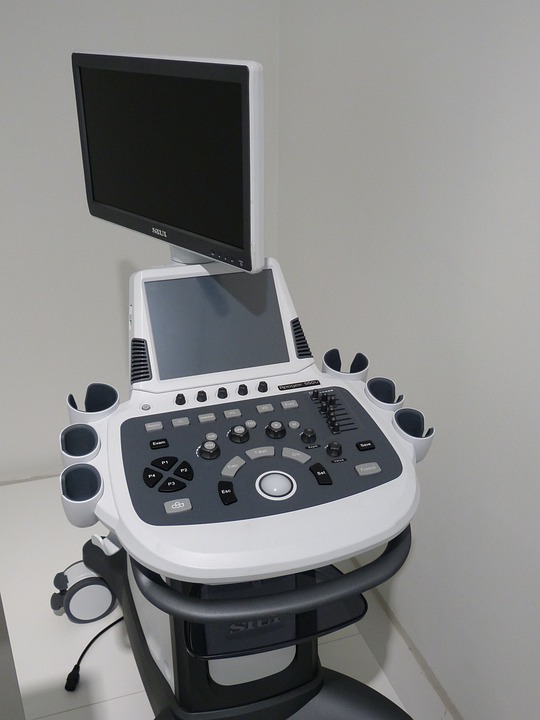
Navigating the Sound Waves: Honest Reviews of Top Ultrasound Clinics In today’s healthcare landscape, the precision of diagnostics is paramount, and ultrasound imaging has emerged as a vital tool across various medical disciplines. From obstetrics to cardiology, ultrasound clinics provide essential imaging services that help shape patient outcomes. With an overwhelming number of choices available, how does one navigate the waters of ultrasound services? This feature article dives into the world of ultrasound clinics, offering insights and reviews of some top-rated facilities, highlighting their services, technologies, patient experiences, and unique offerings. The Role of Ultrasound in Modern Medicine Ultrasound technology utilizes high-frequency sound waves to create images of the inside of the body. Unlike X-rays or CT scans, ultrasound does not employ ionizing radiation, making it suitable for a variety of applications, including: Obstetric imaging for monitoring fetal development. Cardiac assessments to evaluate heart conditions. Abdominal studies to investigate organ health. Musculoskeletal imaging for diagnosing injuries. As with any medical service, the quality of care can vary significantly between clinics. Therefore, we explored several ultrasound clinics, considering factors such as technology, staff qualifications, patient feedback, and overall service quality. 1. ClearView Ultrasound Clinic Located in the heart of the city, ClearView Ultrasound Clinic is well-known for its commitment to patient-centered care. Equipped with state-of-the-art equipment, including 3D and 4D ultrasound capabilities, it offers diverse services ranging from routine obstetric ultrasounds to advanced cardiac imaging. Patients often rave about the friendly staff and comfortable environment. One reviewer stated, “The tech was so gentle and made me feel at ease. It was the best part of my pregnancy so far!” ClearView prides itself on its quick appointment scheduling and minimal wait times, which significantly enhance the patient experience. 2. Precision Imaging Another commendable facility is Precision Imaging, recognized for its innovative approach to diagnostic imaging. It offers mobile ultrasound services, which have become increasingly popular among expectant mothers who want convenience during their prenatal visits. This clinic employs the latest imaging technology to ensure accurate diagnoses. Patient reviews cite the thoroughness of examinations and clear communication from technicians as key highlights. “They walked me through every step of the process and explained what they were looking for,” a satisfied patient noted. Additionally, their educational resources prepare patients for what to expect during and after their ultrasound sessions. 3. Elite Diagnostic Imaging Situated in a suburban area, Elite Diagnostic Imaging emphasizes accessibility and comprehensive care. It offers a wide array of ultrasound services, including vascular studies, abdominal ultrasounds, and even specialized imaging for pediatric patients. Patients appreciated the clinic’s comprehensive follow-up system, which ensures that they receive their results promptly and can consult with the physician if necessary. “I’ve directly communicated with my doctor within hours of the appointment,” one patient shared. This level of attention to detail sets Elite Diagnostic Imaging apart from others, ensuring that each patient feels prioritized and informed. 4. Family Wellness Imaging Family Wellness Imaging aims to create a holistic experience for patients. Their family-oriented approach includes offering ultrasound services in a relaxed, home-like atmosphere. They emphasize the emotional aspects of the imaging process, especially for expectant parents. Prospective parents can expect to receive keepsake images and videos of their ultrasound sessions, creating cherished memories. “It felt like they genuinely cared about the experience, not just the technicalities,” a parent remarked. This clinic often accommodates needs for multiple family members to be present during the imaging sessions, further improving the overall experience. 5. Advanced Imaging Center For those seeking advanced technology and cutting-edge imaging techniques, the Advanced Imaging Center stands out. The clinic offers a range of specialized ultrasounds, including elastography and contrast-enhanced ultrasound, which are crucial for detecting various medical conditions. Patient feedback highlights the professionalism of the staff and the seamless integration of technology into the diagnostic process. “I felt like I was in the hands of experts. They explained everything thoroughly and answered all my questions,” shared a patient post-visit. The clinic is usually equipped with an on-site radiologist, providing immediate interpretations of ultrasound results, which is a significant advantage for urgent cases. What to Consider When Choosing an Ultrasound Clinic While patient reviews can guide your choice, several factors should be considered when selecting an ultrasound clinic: Staff Qualifications: Ensure that the technicians are certified and highly trained in ultrasound technology. Technology: Look for clinics equipped with modern ultrasound machines that provide detailed imaging. Patient Reviews: Read multiple reviews to gauge the overall patient experience, paying attention to any recurring feedback. Accessibility: Consider the location, appointment availability, and services offered. Communication: Choose a clinic that prioritizes clear communication regarding procedures, results, and follow-up care. Final Thoughts In the realm of healthcare, ultrasound clinics play a critical role in effective diagnostics and patient care. By exploring patient reviews and clinic offerings, individuals can make informed decisions about where to seek ultrasound services. Whether it’s the high-tech capabilities of Advanced Imaging Center or the family-friendly environment of Family Wellness Imaging, each clinic has unique strengths that cater to different patient needs. Ultimately, the best choice will align with personal preferences, medical needs, and comfort levels. In navigating the sound waves of ultrasound clinics, information is your best companion—ensuring that healthcare experiences are as positive and beneficial as possible.
Efficiency at Your Fingertips: How Clinic Booking Systems Transform Healthcare

In an era where convenience is king, the healthcare industry is rapidly embracing technology to enhance patient experiences and streamline operational efficiency. One of the most significant advancements in this transformation is the adoption of clinic booking systems. These digital solutions are reshaping how healthcare providers manage appointments, optimize schedules and improve patient access to care. Let’s explore how these systems are dynamically altering the landscape of healthcare and what the future may hold. The Rise of Clinic Booking Systems As patient expectations evolve, so does the demand for more efficient and user-friendly healthcare services. Traditional methods of scheduling appointments—phone calls, paper forms, and in-person visits—are cumbersome and often lead to long wait times and scheduling conflicts. According to a report by the Healthcare Information and Management Systems Society (HIMSS), 70% of patients prefer online booking options, highlighting a clear shift towards digital solutions. Clinic booking systems offer a variety of features, such as online appointment scheduling, automated reminders, and patient self-check-in. These systems not only improve the patient experience but also reduce administrative burdens on healthcare staff, allowing them to focus on what truly matters: patient care. Enhancing Patient Access Convenience is paramount in today’s fast-paced world. With the rise of telehealth services, patients now expect the ability to book appointments at their convenience, without the necessity of picking up the phone. Clinic booking systems fulfill this requirement by enabling patients to schedule their appointments via a user-friendly online interface, available 24/7. A study published in the Journal of Health Communication notes that patients who use online booking systems are more likely to attend their appointments. This is attributed to improved engagement and a sense of ownership over their healthcare processes. With features such as calendar synchronization and the flexibility to reschedule or cancel appointments online, patients are empowered to manage their health more effectively. “The ability to book an appointment online has transformed how I engage with my healthcare provider. Gone are the days of playing phone tag.” – Sarah T., patient Operational Efficiency for Providers Clinic booking systems not only benefit patients but also significantly enhance operational efficiency for healthcare providers. By automating appointment scheduling, healthcare facilities can minimize double-bookings and reduce no-show rates, which can be detrimental to a practice’s bottom line. According to a report from the American Journal of Managed Care, no-show rates can be as high as 30%, leading to lost revenue and inefficient use of resources. By sending automated reminders via SMS or email, clinic booking systems reduce these rates by keeping patients informed and engaged. Consequently, providers can optimize their schedules, leading to better resource allocation and improved patient care. Integrating Health Records Many contemporary clinic booking systems seamlessly integrate with Electronic Health Records (EHR). This integration is a game-changer, providing healthcare providers with immediate access to a patient’s medical history, allergies, and previous appointments. Such access not only enhances the efficiency of ongoing patient care but also ensures accuracy in treatment decisions. As noted by the Office of the National Coordinator for Health Information Technology, integrated systems streamline workflows and reduce clinical errors, translating into enhanced patient safety and better health outcomes. When healthcare providers can easily access relevant patient information during the appointment booking process, they are equipped to deliver personalized and timely care that meets the unique needs of each patient. Customizable Features for Diverse Needs The flexibility and customization options that clinic booking systems offer are also noteworthy. Different healthcare specialties have distinct operational requirements. A pediatrician, a dental office, and a physical therapy clinic all need tailored solutions that cater to their unique patient demographics and scheduling complexities. Many clinic booking systems come with customizable features that allow healthcare providers to adjust their scheduling preferences, categorize appointments, and set specific time slots for different types of services. This adaptability is crucial for managing busy healthcare environments, especially during peak hours. Facing Challenges Ahead Despite the myriad benefits, implementing clinic booking systems is not without its challenges. Healthcare providers often face hurdles such as initial costs, system integration issues, and resistance to change from staff. According to a survey by the Health Information Management Association, one in five healthcare organizations reported significant struggles during the transition to digital booking systems. To counter these challenges, healthcare organizations must invest in comprehensive training for staff, ensuring that everyone is on board with the technological shift. Moreover, selecting the right vendor who understands the unique nuances of a healthcare practice is critical to minimizing disruptions during the implementation phase. The Future of Clinic Booking Systems The future of clinic booking systems is promising. With the integration of Artificial Intelligence and machine learning, we can anticipate even smarter scheduling solutions that predict patient needs based on historical data. Additionally, the potential for telehealth services to be integrated directly into booking systems will further enhance patient convenience and accessibility. As we venture deeper into this digital age, it becomes increasingly clear that efficiency is no longer a luxury but a necessity in healthcare. The evolution of clinic booking systems signifies a remarkable step forward in meeting the needs of both patients and providers. Ultimately, these innovations will pave the way for a healthier future where access to care is as straightforward as a few clicks of a button.
A Closer Look: The Importance of Your Prenatal Scan Appointment

In the journey of expecting a child, each appointment brings anticipation and excitement, but none may be quite as pivotal as the prenatal scan. Often referred to as an ultrasound, this non-invasive imaging technique plays a crucial role in monitoring the health and development of both the mother and the fetus. But what exactly happens during a prenatal scan, and why is it so important? What is a Prenatal Scan? A prenatal scan typically refers to an ultrasound examination conducted during pregnancy. It utilizes sound waves to create images of the baby in the womb, allowing healthcare providers to assess the fetus’s growth and development. Depending on the stage of pregnancy, different types of scans may be performed, including: First Trimester Scans: Usually conducted between weeks 6-14, these scans help confirm pregnancy viability and detect any potential issues early on. Second Trimester Scans (Anatomy Scan): Conducted between weeks 18-22, this comprehensive scan checks the baby’s anatomy, including organs and limbs, and identifies the gender if desired. Third Trimester Scans: Focused on growth, position, and overall health of the fetus, typically conducted between weeks 28-40. Why Are Prenatal Scans Important? Prenatal scans serve multiple essential purposes that can be life-changing for both mother and child: 1. Confirming Viability and Health One of the first reasons to schedule an ultrasound is to confirm the pregnancy and ensure that the fetus is developing correctly. Early scans can detect heartbeat, size, and position of the embryo, which are pivotal for ensuring a healthy pregnancy. 2. Monitoring Growth and Development Regular scans provide critical insights into how the fetus is growing. Measurements are taken to monitor growth patterns, ensuring the baby is on track. If necessary, doctors can identify conditions such as intrauterine growth restriction (IUGR), which may require careful management. 3. Screening for Genetic Disorders During the anatomy scan in the second trimester, technicians look for physical markers that may indicate genetic disorders. Some health conditions can be detected early, allowing families to prepare and make informed decisions concerning care and management. 4. Determining Position and Preparing for Delivery As the pregnancy advances, the baby’s position becomes crucial for delivery. A prenatal scan can reveal whether the baby is head-down (the ideal position) or breech, providing vital information for birth planning and intervention if needed. 5. Emotional Connection Beyond the medical aspects, prenatal scans offer parents an invaluable opportunity to bond with their unborn child. Seeing a sonogram can make the realities of parenthood feel more tangible and help parents connect with the baby, contributing to a sense of attachment. Preparing for Your Prenatal Scan Appointment Preparation can ease anxiety and ensure a smooth experience during a prenatal scan. Here are a few tips: Follow Pre-Scan Instructions: Depending on the type of scan, your healthcare provider may give specific instructions, such as drinking water beforehand to fill your bladder. Gather Your Support: Bring a partner, family member, or friend. Sharing the experience can enhance emotional bonding and support. Prepare Questions: If you have any concerns or queries—about the scan, baby’s development, or anything else—write them down and discuss them with your healthcare provider. What to Expect During the Appointment Understanding what happens during a prenatal scan can help allay fears and enhance expectations: Check-In and Initial Assessment: Upon arrival, you will check in and answer a series of questions about your health and the pregnancy. Ultrasound Procedure: You will be asked to lie down, usually on your back, while a technician applies a gel to your abdomen and uses a transducer device to capture images. The scan is painless and typically lasts around 20-30 minutes. Reviewing the Images: The technician may point out various body parts. Afterward, a radiologist or your healthcare provider will review the results and discuss them with you. Conclusion Your prenatal scan appointment is more than just a routine check; it’s a vital part of your pregnancy journey, opening a window into your baby’s world. By ensuring healthy development, detecting any potential issues, and enriching your emotional connection, these scans serve as a foundational pillar of prenatal care. As you approach this appointment, remember that it’s an opportunity to celebrate the unique journey you’re on—one that ultimately leads to the joyous arrival of your little one.