

Unlocking the Mystery: What to Expect During Your First Early Pregnancy Scan

Entering the world of pregnancy is an exhilarating yet daunting experience for many. One significant event during this early journey is the first early pregnancy scan, often referred to as the dating scan or early ultrasound. As you approach this pivotal appointment, understanding what to expect can alleviate anxiety and amplify excitement about the developing life within. The Purpose of the Early Pregnancy Scan Typically, the first scan occurs between 6 to 12 weeks of gestation, depending on your healthcare provider’s protocol. The primary purposes of this scan are: Confirming the pregnancy and the developing embryo’s viability Determining the gestational age Checking for multiple pregnancies (twins, triplets, etc.) Assessing the location of the pregnancy (to rule out ectopic pregnancies) These insights are critical not only for the health of the pregnancy but also for providing expectant parents with crucial information moving forward. Preparing for the Scan Preparation for the first early pregnancy scan is relatively straightforward. Here are a few things to keep in mind: Drink Water: Many clinics advise patients to drink a certain amount of water before the appointment to ensure a full bladder. A full bladder helps to improve the quality of the images captured during the ultrasound. Arrive on Time: Arriving a little early allows you to fill out any necessary paperwork and settle in before the scan. Bring Support: Consider bringing a partner or a close family member. The joy of seeing the first images of your baby is a moment best shared. What Happens During the Scan? Upon arrival, you’ll be ushered into the ultrasound room, where a healthcare professional (often a sonographer) will explain the procedure. Here is what you can generally expect: Getting Comfortable: You’ll be asked to lie down on an examination table. Depending on how far along you are, you may need to undress from the waist down. A towel or sheet will be provided for your comfort. Ultrasound Gel: The sonographer will apply a gel to your abdomen, which helps the ultrasound wand (transducer) glide smoothly over your skin and provides clearer images. Viewing the Images: The sonographer will move the wand across your abdomen to capture images of your uterus and developing baby. You may see flickers of the heartbeat as well as the shape and size of the fetus. In some cases, a vaginal ultrasound may be necessary, particularly in earlier stages of pregnancy. While the scan is swift—often lasting only 15-30 minutes—the experience is usually profound, with many parents feeling an emotional connection as they see their baby for the first time. Understanding the Results Immediately after the scan, the sonographer will likely give you a preliminary report and may provide some printed images to take home. Here’s a breakdown of what you might learn: Gestational Age: The scan will help determine how far along you are in your pregnancy, which is vital for planning your care. Heartbeat: The presence of a fetal heartbeat is a reassuring sign that the pregnancy is progressing normally. Multiple Pregnancies: If you’re carrying twins or more, this scan often reveals the news! If any concerns arise during the scan, the sonographer will usually discuss these with you and recommend any follow-up actions if necessary. The Emotional Component For many, the early pregnancy scan is laden with emotional weight. It often transforms the abstract idea of pregnancy into a concrete reality. Expect to encounter a mix of feelings—joy, wonder, anxiety, and love. It’s a moment when anticipation crystallizes into something touchable, a visual confirmation of the tiny life that’s already creating ripples of change. The Next Steps Following the early pregnancy scan, you may receive scheduling information for subsequent appointments, including additional scans and routine check-ups to monitor the health of you and your baby throughout the pregnancy. In Conclusion As you prepare for your first early pregnancy scan, remember that this moment is a significant milestone in your journey to parenthood. By understanding what to expect, you can turn potential anxiety into excitement and prepare to embrace the emotions that accompany seeing your little one for the first time. Whether it’s your first child or a subsequent addition, each pregnancy scan holds a unique magic, unlocking the mysteries of life as they begin to unfold. For more information on pregnancy and ultrasound scans, visit ACOG, or consult your healthcare provider for personalized guidance.
Unlocking the Mystery: What to Expect During Your Early Pregnancy Ultrasound

For many expectant parents, the first glimpse of their baby during an early pregnancy ultrasound marks a significant milestone in their journey to parenthood. Understanding the Basics of Ultrasounds Ultrasound imaging is a medical test that uses high-frequency sound waves to create images of organs and structures inside the body. In the context of pregnancy, ultrasounds are primarily used to visualize the fetus, assess its development, and check for potential abnormalities. The first ultrasound typically occurs between six and ten weeks of gestation, a critical time for assessing the health of both the mother and the unborn child. Types of Early Pregnancy Ultrasounds There are two primary types of ultrasounds performed during early pregnancy: Transabdominal Ultrasound This method involves placing a gel on the mother’s abdomen and moving a transducer over the area to capture images. It usually provides a broader view and is commonly performed later in the first trimester. Transvaginal Ultrasound Transvaginal ultrasounds involve inserting a specially designed transducer into the vagina. This method can offer clearer images in the early weeks of pregnancy when the fetus is still small and located deep within the pelvis. What to Expect During Your Appointment Arriving at the doctor’s office can stir a mix of excitement and nervousness. Here’s what you can anticipate during your early pregnancy ultrasound appointment: Preparation: Depending on the type of ultrasound, you may be advised to drink water before your appointment to fill your bladder, which helps enhance the image quality during a transabdominal ultrasound. The Procedure: After confirming your appointment details, you’ll be asked to lie down on an examination table. If it’s a transabdominal ultrasound, the technician will apply a warm gel and use a transducer over your abdomen. For a transvaginal ultrasound, the process will be similar, but the technician will use a smaller probe. Duration: Ultrasound sessions generally last between 20 to 30 minutes, depending on what the technician is assessing. Interpreting the Images As the ultrasound technician moves the transducer, you’ll be able to see the images of your baby forming on a screen. Although the images may appear a bit unclear, your healthcare provider will explain what you’re looking at: Gestational Sac: This can typically be seen around 4-5 weeks and is the first indicator of a developing pregnancy. Fetal Pole: By about 6-7 weeks, the fetal pole, which is the early stage of the baby, becomes visible. Heartbeat: One of the most exciting moments is hearing or seeing your baby’s heartbeat, usually detectable around 6-7 weeks into the pregnancy. Due Date Estimation: The ultrasound can help determine an estimated due date based on the size of the fetus. “Seeing the heartbeat for the first time is an emotional experience. It’s a moment that transforms the pregnancy from a concept into a reality.” – Dr. Emily Johnson, OB-GYN Potential Concerns Addressed While many early ultrasounds yield positive results, healthcare providers also assess for potential problems: Location of Pregnancy: The ultrasound will check if the pregnancy is within the uterus as opposed to an ectopic pregnancy, which can occur outside the uterus. Multiple Pregnancies: The technician will be able to identify if there are multiple fetuses, such as twins or triplets. Developmental Concerns: Early ultrasounds help detect various issues, such as signs of miscarriage or fetal growth restrictions. Post-Ultrasound Experience After the ultrasound, the technician will usually discuss preliminary findings, but the complete interpretation will come from your healthcare provider during a follow-up appointment. You may be given photos of your fetus, which many parents cherish as a keepsake. Emotional Impact and Support The emotional impact of an early pregnancy ultrasound can vary widely. For some, it brings joy, while for others, it may evoke anxiety, especially if there are uncertainties regarding the pregnancy’s viability. Here are some ways to cope: Seek Support: Whether it’s from partners, family members, or friends, having a support system during this time is crucial. Ask Questions: Don’t hesitate to ask your doctor for clarifications on the findings or what to expect next. Educational Resources: Consider utilizing books or online resources to empower yourself with knowledge about pregnancy and ultrasound procedures. Conclusion Whether you are looking forward to welcoming a new life or navigating uncertainty, the early pregnancy ultrasound serves as a key tool in monitoring your health and the development of your fetus. Although it can be an emotional experience, understanding what to expect can help ease anxiety and make the journey of parenthood more fulfilling. As you move forward, remember that each ultrasound not only captures a moment in time but also brings you one step closer to meeting your little one.
Group B Streptococcus (GBS)

Protect your new born baby! Group Strep B screening at Baby Moments Group B Streptococcus (GBS) is the UK’s most common cause of life threatening infections in new born babies, and of meningitis in babies up to age 3 months. … The number of babies that are being born with potentially fatal Strep B is rising. You can have a simple test of 2 swabs being taken to detect if you have it. Antibiotics are then administered during labor. Baby Moments offer this screening test from 35 weeks as it needs to be conducted in the last 5 weeks of pregnancy.Most GBS infections can be prevented by giving antibiotics intravenously (through a vein) at the onset of labour to all women that carry GBS. This gives you the information and control to make the decisions as to what will happen during your labour.
Pregnancy Symptoms
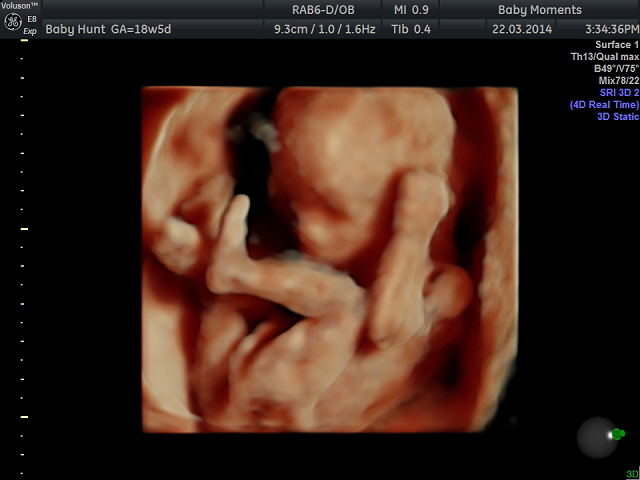
The following information covers general concerns and describes some of the issues, feelings and symptoms which you may experience during pregnancy. These are only general descriptions, which are meant to give you an idea of when to be concerned and also what is normal. Of course, if you become concerned in any way, or have any questions, you should always contact your doctor. In the sections which follow, you will find guidelines for exercise and nutrition, and also many helpful pieces of information regarding the changes which occur during each trimester. You will also find out how to take care of your body and adjust your life style and schedule during every stage of your pregnancy. After the initial excitement of finding out that you are pregnant has worn off, you should Although not every woman has every symptom during pregnancy, you may find that you can experience fatigue, tenderness of your breasts and morning sickness. Some women absolutely “SAIL” through their pregnacy whilst others seem to endure lots of smaller issues. These issues do not necessarily amount to anything serious, but can in some cases, disrupt life in general. Here are some of the things which you may encounter: Fatigue – you may find that you feel ‘bone tired’ or become easily fatigued, especially during your first trimester. It is worth bearing in mind, that your body is working much harder supplying blood and nutrients to your baby in the womb and producing certain hormones.
Pregnancy Food Preferences
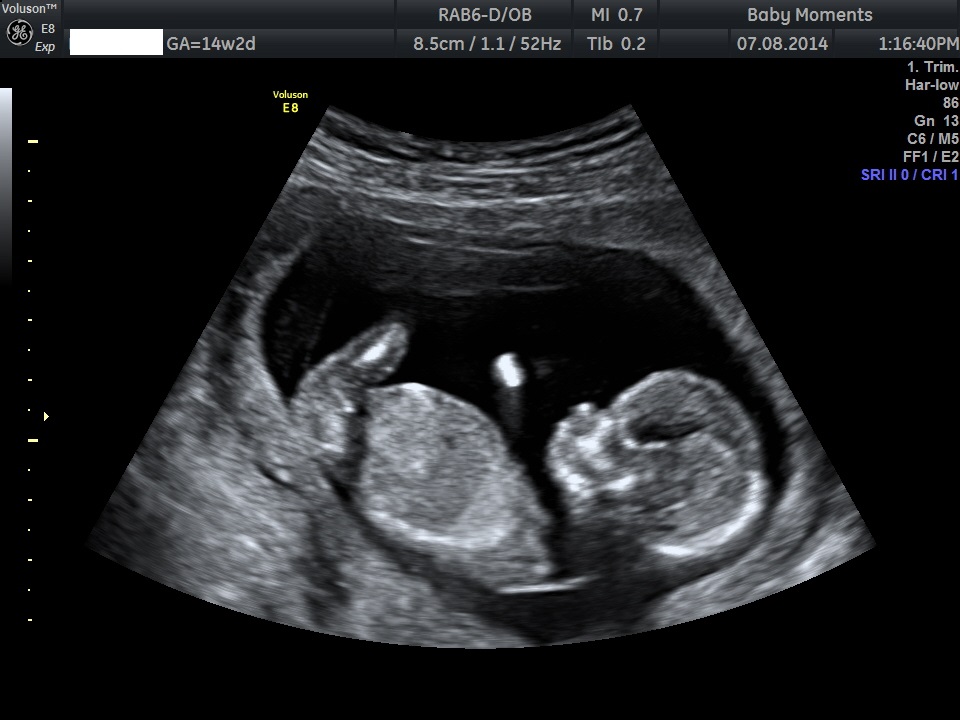
During early pregnancy, the smell of some foods may possibly cause nausea. During later pregnancy, you may find that you also develop a craving for certain foods. For some women, even some strange food combinations, for example, like ice cream and gherkins. Numerous ladies find that they develop a strong dislike to coffee and even tea, but this aversion usually diminishes as their pregnancy progresses. Other foods which can upset your stomach can include: spicy foods, meat, dairy foods like cheese and milk. However, it is not surprising to find that these aversions and preferences often change as your pregnancy progresses.
Morning Sickness during Pregnancy

Morning Sickness, Nausea and Vomiting – Typically confined to early pregnancy, though some women experience this symptom for up to six months. Most women encounter morning sickness for about a month during their first trimester, and symptoms can start as early as 14 days after conception. Morning sickness is not always confined to the morning, and it results from the changing levels of estrogen in the body. Some women experience morning sickness with no trigger, while others will become nauseous from certain smells like cigarette or cigar smoke, strong perfume, coffee or the smell of certain foods cooking.
Good Health during Pregnancy

Nutrition: It is essential, during your pregnancy, you pay particular attention to your nutritional intake, and it is certainly not the right time to “diet”. You need to eat the correct foods and try hard not to gain an unhealthy amount of weight, but you should definitely NOT be dieting. You need to pay special attention to having a well-balanced diet, including fresh fruit and vegetables and lean meat and fish.
It is better to be safe than sorry!

Alcohol can cause many different symptoms which are found in Fetal. Alcohol Spectrum Disorder (known as FASD). This is due to the fact that alcohol travels straight into your baby’s body, in high concentration levels, through your blood stream, via the umbilical cord and into the placenta. FASD can result in children having disabilities and attention disorders. Other things which can also be affected are language, vision and hearing problems, and many other issues too. The very best advice is to keep that lovely bottle of wine or refreshing gin and tonic, until after the birth of your healthy child. Even then, if you are breast feeding, alcohol consumption should also be taken very seriously. Caffeine: The risk of a miscarriage can be increased by consuming high levels of caffeine. It is best to try to stop drinking coffee, or drinks with high caffeine levels completely. Two or three cups a day may not seem like a lot to you, but to be safe, eliminating caffeine altogether is definitely the best decision. If this is too extreme and you cannot do so, then try hard to reduce your intake to one cup per day, or drink decaffeinated drinks. It is also worth remembering that there are other beverages and foods which contain high levels of caffeine. These include black and green tea, cola drinks (like pop) and even chocolate. However, these foods and drinks can be consumed in moderation; such as one cup of tea, half a glass of cola or a chocolate bar, once a week. The reason for this is due to the fact that the caffeine content in these type of products is typically much lower or more than that in a cup of coffee (e.g. 90-140mg caffeine). You will be pleased to know that the average chocolate bar only contains between 5-30mg of caffeine. However, you should still consider the FAT content in chocolate bar and remember that these should be eaten in moderation.
Sleep during Pregnancy

During your pregnancy you will need more sleep, and should plan to ensure that this is achieved. Make a conscious effort and try to be strict with yourself, not to stay up very late trying to get certain things done, like a report for work or sending emails. You need to allow yourself to rest, and just give in to any periods of fatigue, especially during the first trimester, as this is when you very likely to feel extremely tired. You may find, that as your baby grows, it is difficult for you to find a comfortable sleeping position. One thing to try, which doctors recommend, is to lay on your side, with your knees bent, then place a pillow between your knees. This will help take the strain from your lower back, and will also make things easier for your heart and lungs. As the baby increases in size and weight, this position will help to reduce pressure on your blood vessels, therefore, your legs are less likely to swell. The likelihood of constipation, haemorrhoids and varicose veins are all reduced from sleeping on your side. This is due to the fact that better, circulation provides the highest level of blood flow to your baby and the placenta. By sleeping on your left side, you are also relieving the pressure your baby’s weight can put on your liver. In addition, it can also aid improving the blood supply to your kidneys, enabling them to flush toxins out of your system. Another good idea is to invest in a few extra pillows for more support, by placing them behind your back and under your tummy. Most large retail stores sell large “body pillows” or specifically designed pregnancy pillows, which support your body and tummy together at the same time. During times when you are sat for long periods, maybe on a journey or at work, you should try to ensure that your back and legs are always well supported. If you fail to do this, and your back and legs are not supported appropriately, then you may well find that you are very tired and sore. With regard to using a computer monitor, it is very important to position your monitor so that the top of the screen is at or below your natural eye level. Your feet should be elevated safely, on something like a stool, wastebasket or even a chair. This should be done whenever possible. Breaks should be taken every 30 minutes and also take a walk around the office or down the corridor. You need to keep moving to alleviate pain in your lower back, and swelling in and your legs, ankles and feet, which can otherwise be very painful. Stress: Unfortunately, stress is often a factor present in our lives, and is known to be unhealthy for everyone. However, when you are pregnant it is especially difficult, and also hard on your baby. Therefore, if any part of your life is stressful, for example your job, school or family, and you have a demanding schedule and under a lot of pressure, you need to find ways to help reduce these stress levels.