

Seeing Beyond the Surface: Advances in Female Pelvic Imaging Techniques

Introduction The intricate anatomy of the female pelvis has long posed challenges for medical professionals, particularly when it comes to accurate diagnosis and treatment planning. With advances in imaging technology, healthcare providers are now better equipped to understand and visualize the complexities of this region. In the last decade, numerous innovations have transformed pelvic imaging, resulting in enhanced diagnostic capabilities, improved patient outcomes, and heightened understanding of women’s health issues. Understanding the Anatomy: A Complex Landscape The female pelvis is home to various organs including the uterus, ovaries, fallopian tubes, and bladder, all of which work in conjunction with surrounding muscles and connective tissues. Conditions such as fibroids, endometriosis, and pelvic inflammatory disease can significantly impact women’s health, necessitating precise imaging techniques for effective diagnosis and management. Historic Imaging Techniques Traditionally, imaging methods used in gynecology included transabdominal and transvaginal ultrasound and plain X-rays. While these techniques were groundbreaking, they often had limitations concerning resolution and the ability to visualize soft tissues. Moreover, procedures often relied heavily on operator skills, leading to variability in diagnosis. The Rise of Advanced Imaging Modalities 1. 3D Ultrasonography 3D ultrasonography has emerged as a significant advance in pelvic imaging, allowing for enhanced visualization of structures within the female pelvis. Unlike its 2D counterpart, 3D ultrasound provides volumetric data, which is invaluable for assessing complex conditions and monitoring treatment response. This technology has been particularly beneficial in evaluating uterine anomalies and assessing fibroid size and location. 2. Magnetic Resonance Imaging (MRI) MRI has been a game changer for pelvic imaging, offering unmatched soft-tissue contrast and a non-invasive approach. High-resolution pelvic MRI allows for comprehensive evaluation of gynecological pathologies such as endometriosis. Additionally, MRI enables the visualization of the pelvic floor, helping clinicians to assess issues such as pelvic organ prolapse and muscle integrity. The advent of functional MRI techniques has also opened exciting avenues for research in female reproductive health. 3. Computerized Tomography (CT) Scans While CT scans are not the first-line imaging modality for gynecological issues, they provide valuable insights, especially in emergency situations. Recent advancements in multi-detector CT technology increase the spatial resolution while decreasing the time taken to acquire images. This can be particularly useful in diagnosing acute conditions like appendicitis or ectopic pregnancies when rapid decision-making is crucial. Innovative Approaches: Combining Imaging Techniques Recent advances also involve the integration of different imaging modalities to provide a more comprehensive understanding of pelvic health. For example, combining ultrasound and MRI can optimize diagnosis and treatment planning for conditions such as endometriosis, where 3D ultrasound can identify lesions while MRI delineates their extent. AI and Machine Learning in Imaging The application of artificial intelligence (AI) and machine learning algorithms is beginning to revolutionize pelvic imaging. These technologies can automate image analysis, significantly reducing the time required for interpretation and potentially increasing diagnostic accuracy. AI systems are being designed to assist with identifying pathologies and integrating imaging data with broader clinical information. While still in the emerging stage, these tools hold promise for enhancing clinical decision-making processes. Challenges and Ethical Considerations Despite these advances, challenges remain. Issues such as access to cutting-edge imaging technologies are significant, particularly in underserved populations. Moreover, the interpretation of complex imaging findings necessitates specialized training, which may not be universally available. Ethical considerations also come into play as the healthcare field grapples with patient consent and data privacy, particularly with AI systems processing sensitive health information. The Future: What Lies Ahead? As technology continues to evolve, the future of pelvic imaging appears promising. Innovations such as real-time imaging and enhanced visualization techniques are on the horizon. Ongoing research into the effects of imaging on women’s health will further refine practices and improve patient care. There is a growing focus on personalized medicine, where imaging techniques are tailored to individual patients’ needs, enhancing outcomes. Conclusion The field of pelvic imaging has evolved remarkably over the last few decades, providing comprehensive, precise, and timely diagnostic information. As technology continues to advance, the intersection of imaging, research, and clinical practice holds tremendous potential for improving women’s health. By seeing beyond the surface, healthcare providers can delve deeper into the complexities of the female pelvis, ultimately enhancing patient care and health outcomes. © 2023 Health Innovations Magazine. All rights reserved.
Unlocking the Mystery of Pelvic Pain: The Role of Ultrasound in Diagnosis

Pelvic pain is a common yet complex symptom that affects millions of individuals, particularly women. The origins of this pain are notoriously difficult to pinpoint, leading to a diagnostic labyrinth that can leave patients feeling frustrated and helpless. Traditional methods, ranging from physical examinations to invasive procedures, can often lead to inconclusive results. However, advancements in medical technology, particularly in ultrasound imaging, have started to unlock some of the mysteries surrounding pelvic pain. Understanding Pelvic Pain Pelvic pain can arise from a multitude of causes including, but not limited to, gynecological issues, gastrointestinal disturbances, and musculoskeletal disorders. Conditions such as endometriosis, ovarian cysts, pelvic inflammatory disease, and fibroids are just a few examples that contribute to this debilitating pain. It can also be linked to non-gynecological sources like appendicitis, irritable bowel syndrome (IBS), and even psychological factors including stress and anxiety. Diagnosing the root cause of pelvic pain can be a challenge due to its broad spectrum of potential origins. According to the National Institutes of Health, more than half of all women with chronic pelvic pain have no definitive diagnosis, leading to a significant burden on healthcare systems and affecting the quality of life for countless individuals. The Role of Ultrasound in Diagnosis Ultrasound imaging has emerged as a valuable tool in the diagnostic arsenal for pelvic pain. It uses sound waves to create images of internal structures, allowing healthcare providers to visualize organs and tissues in real-time. Unlike CT scans or MRIs, ultrasound does not involve radiation, making it a safer option for many patients, especially pregnant women. Two main types of ultrasound are commonly used for pelvic assessments: transabdominal and transvaginal. Transabdominal ultrasound (TAU) involves placing a transducer on the abdomen, while transvaginal ultrasound (TVU) provides a closer and more detailed view of the pelvic organs by inserting the transducer into the vagina. Each method has its advantages and can be selected based on the specific clinical scenario. Benefits of Ultrasound Imaging Ultrasound offers several benefits in the diagnosis of pelvic pain: Non-invasive: Unlike other imaging modalities, ultrasound is generally non-invasive and does not require anesthesia. Real-time imaging: Ultrasound allows for dynamic assessment of pelvic organs, enabling immediate identification of abnormalities. Cost-effective: Compared to other imaging methods, ultrasound is often more affordable and widely accessible. No radiation exposure: With no use of ionizing radiation, ultrasound is a safer option, especially for younger patients. Applications in Specific Conditions Ultrasound has been instrumental in diagnosing various conditions associated with pelvic pain: 1. Endometriosis Endometriosis, a condition where tissue similar to the lining inside the uterus grows outside of it, is a leading cause of chronic pelvic pain. TVU can help identify ovarian endometriomas (chocolate cysts) and the presence of deep infiltrating endometriosis. Studies suggest that skilled practitioners can achieve a sensitivity of up to 90% in diagnosing endometriosis through ultrasound. 2. Ovarian Cysts Functional ovarian cysts are common and often resolve on their own; however, when they become large or hemorrhagic, they can cause significant pain. Ultrasound can differentiate between simple and complex cysts, guiding the management plan for affected individuals. 3. Fibroids Uterine fibroids (leiomyomas) are benign tumors that can contribute to pelvic pain, particularly if they distort the uterus or compress adjacent structures. Ultrasound can effectively visualize the size, location, and number of fibroids, aiding in treatment decisions. 4. Pelvic Inflammatory Disease (PID) Pimpling in the pelvic cavity due to PID may also be assessed through ultrasound. While ultrasounds cannot definitively diagnose PID, they can indicate complications such as abscess formation, which may require surgical intervention. Challenges and Limitations of Ultrasound Despite its advantages, ultrasound is not without limitations. The accuracy of ultrasound is highly dependent on the operator’s skill and experience. Additionally, certain conditions, such as early-stage endometriosis, may not be detectable via ultrasound. Furthermore, the presence of bowel gas can obscure imaging, complicating the diagnosis. Future Directions As medical technology continues to evolve, the future of ultrasound in diagnosing pelvic pain looks promising. Innovations in imaging techniques, such as 3D ultrasound and contrast-enhanced ultrasound, are being explored to enhance diagnostic accuracy and provide a more comprehensive assessment of pelvic disorders. The integration of artificial intelligence (AI) into ultrasound imaging may also improve diagnostic capabilities, enabling quicker and more accurate interpretations. Additionally, educating healthcare providers on the nuances of pelvic ultrasound could enhance its utilization in clinical practice. Conclusion Pelvic pain remains a multifaceted challenge for both patients and healthcare providers. While the journey toward a definitive diagnosis may be fraught with difficulties, advancements in ultrasound technology stand at the forefront of revolutionizing the diagnostic process. By providing non-invasive, real-time imagery of pelvic structures, ultrasound has the potential to uncover the roots of pelvic pain that have long remained hidden. As researchers continue to investigate and refine these technologies, the future holds promise for better diagnosis and management of pelvic pain, ultimately improving the quality of life for countless individuals affected by this complex issue.
A Clear View: How Pelvic Organ Ultrasound Transforms Diagnosis

In the realm of modern medicine, imaging techniques have revolutionized how healthcare professionals diagnose and treat a myriad of conditions. Among these, pelvic organ ultrasound has emerged as a vital tool, providing unparalleled insights into reproductive and urinary health. Its non-invasive nature combined with real-time visualization makes it an indispensable asset in clinical settings. The Basics of Pelvic Organ Ultrasound Pelvic organ ultrasound utilizes high-frequency sound waves to create images of the structures within the pelvis. Unlike X-rays or CT scans, ultrasound does not involve ionizing radiation, making it a safer option, particularly for vulnerable populations such as pregnant women. The procedure is typically quick, taking anywhere from 20 to 60 minutes, and can be performed transabdominally or transvaginally, depending on the clinical indication. A Diagnostic Revolution in Women’s Health In women’s healthcare, pelvic organ ultrasound is pivotal in diagnosing various conditions, from fibroids and ovarian cysts to endometriosis and pelvic inflammatory disease. These conditions often present with vague symptoms that can lead to delayed diagnoses. Traditional methods, while effective, can sometimes fail to provide clear insights into the patient’s anatomy. A study published in the Journal of Ultrasound in Medicine indicated that pelvic ultrasound could increase diagnostic accuracy for gynecological disorders compared to standard physical examinations alone. By providing a real-time window into the pelvic structures, clinicians can assess and visualize anomalies in a more detailed manner. Key Applications in Clinical Practice Detecting Fibroids and Ovarian Cysts Uterine fibroids are benign tumors that can cause significant discomfort, and their prevalence is quite high, affecting approximately 70% of women by age 50. Pelvic ultrasound allows for the identification, measurement, and monitoring of fibroids, aiding in decision-making regarding treatment options such as medication or surgery. Ovarian cysts, common occurrences in women of reproductive age, can be benign or indicative of more serious pathology. Ultrasound not only distinguishes between simple and complex cysts but also facilitates timely interventions when necessary. Ending the Guesswork of Endometriosis Endometriosis, a condition where tissue similar to the lining of the uterus grows outside it, can be notoriously difficult to diagnose. Symptoms often mimic those of other conditions, leading to prolonged suffering for many women. Pelvic ultrasound has become a valuable tool in diagnosing endometriosis. Research in the American Journal of Obstetrics and Gynecology highlights its effectiveness in identifying characteristic endometriomas and deep infiltrating endometriosis. By offering clarity and proactively identifying potential complications, healthcare professionals are better equipped to develop a comprehensive treatment plan tailored to each patient’s needs. Benefits Beyond Diagnosis While the diagnostic capabilities of pelvic organ ultrasound are crucial, its benefits extend beyond initial assessments. For example, ultrasound-guided procedures, such as the aspiration of ovarian cysts or the placement of intrauterine devices (IUDs), streamline treatment approaches and enhance patient outcomes. Moreover, this imaging technique fosters better patient-provider communication. Patients can visualize their own anatomy and pathology, leading to improved understanding and engagement in their own care pathway. This empowerment can transform the usually daunting experience of medical consultations into a more collaborative and reassuring process. Challenges and Limitations Despite its numerous advantages, pelvic organ ultrasound is not without challenges. One of the primary limitations is operator dependency. The quality of the imaging and interpretation relies heavily on the skill and experience of the technician and the radiologist. Additionally, factors such as obesity or excessive bowel gas can hinder the quality of images and, by extension, the diagnostic accuracy. Furthermore, while ultrasound is excellent for visualizing soft tissue structures, it may not be as effective at detecting certain pathologies as other imaging modalities such as MRI or CT scan. Therefore, a thorough clinical evaluation is critical for determining the appropriate use of pelvic ultrasound in conjunction with other imaging techniques. The Future of Pelvic Organ Ultrasound The future of pelvic organ ultrasound looks promising with emerging technologies. Innovations such as 3D ultrasound are paving the way for more detailed anatomical insights, while AI algorithms are starting to enhance image interpretation, reducing human error and enhancing diagnostic accuracy. Research continues to explore the integration of ultrasound with technologies like elastography, which measures tissue stiffness, opening new avenues in the diagnosis and management of various pelvic disorders. These advancements hold the potential to augment existing diagnostic capabilities significantly. Conclusion As we move further into the 21st century, the role of pelvic organ ultrasound in healthcare becomes increasingly significant. This non-invasive, real-time imaging modality continues to transform the landscape of diagnosis and treatment in pelvic health. With its ability to provide clear visualizations of female reproductive and urinary systems, its applications are vast and growing. Ultimately, implementing pelvic organ ultrasound in clinical practice embodies a shift towards a more precise, personalized, and patient-centered approach to healthcare. As advancements unfold, patients can look forward to a future where timely, accurate diagnoses are the norm, drastically improving health outcomes and quality of life.
Empowering Women: How Pelvic Health Monitoring Transforms Lives

In an age where technology empowers us to track everything from fitness to mental health, pelvic health remains a largely overlooked aspect of women’s health. However, with the introduction of pelvic health monitoring tools, women are gaining unprecedented awareness and control over their bodies. This transformative approach not only aids in diagnosing and managing various conditions but also champions the message that pelvic health is crucial for overall well-being. The Significance of Pelvic Health Pelvic health encompasses a range of functions and issues that are unique to women, including menstruation, fertility, menopause, and urinary and sexual function. With an estimated 1 in 3 women experiencing pelvic floor disorders (PFDs) at some point in their lives, the importance of monitoring this aspect of health cannot be overstated. These disorders can lead to significant physical and psychological distress, yet many women suffer in silence due to stigma and lack of awareness. A holistic understanding of pelvic health underscores that it is not merely a series of individual issues, but is intricately linked to overall health and quality of life. The good news is that technology is stepping in, offering innovative solutions for monitoring and managing these conditions. How Pelvic Health Monitoring Works Pelvic health monitoring technology includes a range of tools such as mobile apps, smart devices, and wearable tech designed to help women track and manage their pelvic health. These tools often allow users to log symptoms, track menstrual cycles, monitor PFDs, and receive personalized feedback based on their health data. Some advanced devices utilize biofeedback mechanisms to provide real-time data on pelvic floor muscle performance, empowering women to strengthen these critical muscles effectively. This can be particularly beneficial for women recovering from childbirth, surgery, or experiencing menopause. Cultural Context and Challenges Despite the promising advances in pelvic health monitoring, cultural stigma surrounding women’s health issues often hampers awareness and acceptance. Topics like menstruation, incontinence, and pelvic pain have traditionally been sidelined in healthcare discussions, leading to a lack of information and resources for women. Dr. Laura Jacobs, a pelvic health specialist, emphasizes the importance of breaking these barriers: “To empower women, we must create an open dialogue around pelvic health. It’s not just a personal issue; it affects relationships, careers, and overall well-being.” Success Stories: Transforming Lives Countless women are telling their stories of transformation thanks to pelvic health monitoring tools. For instance, Sarah, a 32-year-old mother of two, struggled with postpartum incontinence for years. After discovering a pelvic health app that provided insights into her symptoms and exercises to strengthen her pelvic floor, she regained her confidence and quality of life. Another success story comes from Lisa, a 45-year-old who dealt with chronic pelvic pain. By utilizing a combination of smart devices and regular tracking, she found patterns that helped her communicate more effectively with her healthcare provider, leading to a significantly improved treatment plan. The Role of Education and Awareness While technology plays a vital role in empowering women, education and awareness remain key components of successful pelvic health monitoring. Educational initiatives aimed at both girls and women can dismantle the stigma and encourage open conversations about pelvic health issues. Schools, community groups, and healthcare organizations can all contribute to this effort. Moreover, healthcare professionals must remain informed about the latest developments in pelvic health technology. By doing so, they can guide patients toward the most appropriate tools for their needs, ensuring holistic and informed care. The Future of Pelvic Health Monitoring As the field of pelvic health monitoring continues to evolve, the integration of artificial intelligence and personalized medicine holds exciting possibilities. Future apps may utilize AI algorithms to offer tailored advice based on individual health data, improving both diagnosis and treatment. Furthermore, ongoing research into the psychological aspects of pelvic health will likely highlight its importance in women’s empowerment. Understanding how pelvic health affects self-esteem, relationships, and mental health can lead to even more comprehensive solutions. Conclusion: A Call to Action Pelvic health monitoring is not just a technological innovation; it is a movement toward empowering women to reclaim control over their bodies and lives. By fostering an environment free from stigma and encouraging open dialogues, we can ensure that women are not only informed but also equipped with the tools they need to monitor and manage their pelvic health. As we look to the future, it’s essential to continue advocating for resources, education, and technology that prioritize women’s health. Pelvic health matters—because empowered women build stronger communities and lead healthier lives.
The Importance of Pelvic Reproductive Scans in Women’s Health: A Comprehensive Guide
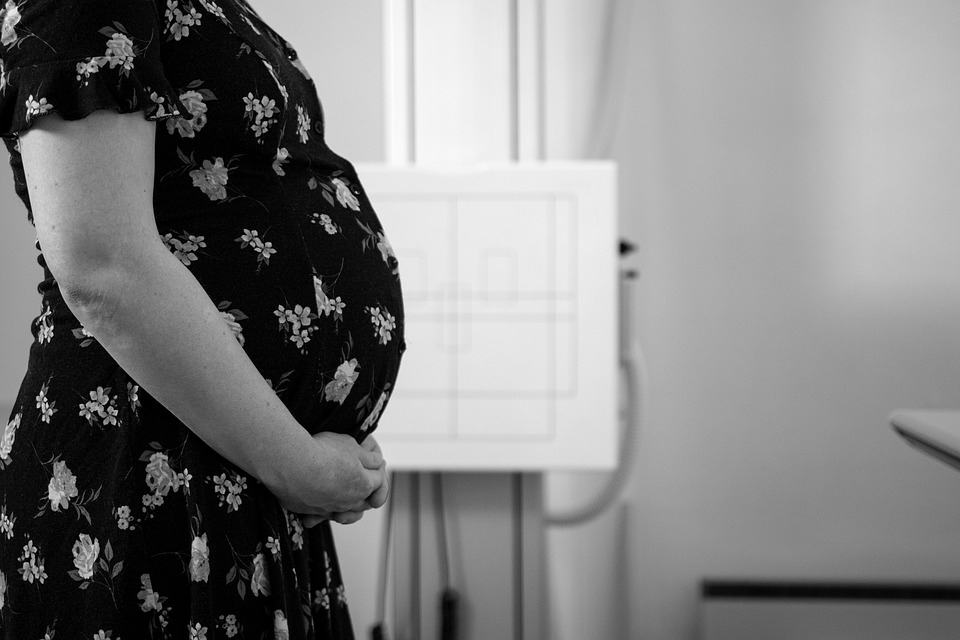
Pelvic reproductive scans are essential tools in women’s health, serving a crucial role in diagnosing and monitoring various reproductive conditions. As women’s health issues gain more recognition, understanding these scans’ importance can empower individuals to take control of their health. This article explores the types of pelvic scans, their procedures, and their significance in identifying potential health concerns. Understanding Pelvic Reproductive Scans Pelvic scans are imaging tests that evaluate the organs and structures within the pelvis, including the uterus, ovaries, and fallopian tubes. They can be broadly classified into: Ultrasound Scans: Utilizes sound waves to create images of the pelvic organs. Transvaginal Ultrasound: A type of ultrasound where a probe is inserted into the vagina for closer imaging of the reproductive organs. MRI Scans: Uses magnetic fields and radio waves to generate detailed images of soft tissues. CT Scans: Provides cross-sectional images of the pelvis to assess various conditions. The Procedures Involved 1. Ultrasound Scans During a standard pelvic ultrasound, the patient lies on an examination table. A gel is applied to the abdominal area, and a transducer is moved over the skin to capture images. This scan is non-invasive, painless, and typically takes about 15-30 minutes. 2. Transvaginal Ultrasound This method provides more detailed images of the uterus and ovaries. After discussing the procedure, the healthcare provider will insert a slender probe into the vagina. While this may cause mild discomfort, it is generally well-tolerated and provides valuable information regarding reproductive health. 3. MRI and CT Scans For more complex cases, MRI and CT scans offer enhanced imaging capabilities. During an MRI, a patient lies on a table that slides into a tube-like machine. It is typically a longer procedure lasting around 30-60 minutes. CT scans are quicker but involve exposure to radiation; hence they are used selectively based on clinical necessity. The Importance of Pelvic Scans in Women’s Health 1. Early Detection of Conditions One of the primary benefits of pelvic scans is the early detection of conditions such as: Ovarian cysts Fibroids Endometriosis Pelvic inflammatory disease (PID) Thickened uterine lining or polyps Potential cancers Identifying these conditions at an early stage can be critical for effective treatment and improved outcomes. 2. Monitoring Existing Conditions For women with pre-existing reproductive health issues, regular pelvic scans can help monitor the progression of these conditions. For example, women with diagnosed endometriosis may require regular scans to assess cyst size or tissue development. 3. Fertility Assessments Pelvic scans are also vital in fertility assessments, allowing healthcare providers to evaluate ovarian reserves and rule out structural abnormalities. These scans can help diagnose conditions that may impact fertility, providing a clearer path for treatment options. 4. Guiding Treatment Decisions By providing high-quality images, pelvic scans can guide physicians in making informed treatment decisions. For instance, understanding the size and location of fibroids can help determine if a surgical procedure is necessary, or if a less invasive treatment might be appropriate. Addressing Common Concerns Many women may feel apprehensive about undergoing pelvic scans. Common concerns include discomfort, the invasiveness of procedures, and exposure to radiation. Here are some points to address these concerns: Minimal Discomfort: While transvaginal ultrasounds may cause slight discomfort, they are generally quick and well-tolerated. Safety: Ultrasounds do not use radiation, making them a safe option for imaging. MRI scans also do not involve radiation exposure. Patient Empowerment: Understanding the process and its importance can help alleviate anxiety. Patients should feel free to discuss concerns with their healthcare providers. Conclusion Pelvic reproductive scans are invaluable in maintaining and promoting women’s health. From early detection of conditions to guiding treatment decisions, these scans play a critical role in reproductive health management. As women become more proactive about their health, understanding the importance of these scans can foster better health outcomes and enhanced quality of life. Women are encouraged to prioritize regular pelvic scans as part of their comprehensive health care routine. By doing so, they can take significant strides toward safeguarding their reproductive health and overall well-being.
Your Guide to Pelvic Ultrasound: What to Expect at Our Nearby Clinic

Pelvic ultrasounds are essential diagnostic tools that allow healthcare providers to see inside the body without invasive procedures. They are commonly used to assess the organs within the pelvic area, such as the uterus, ovaries, bladder, and prostate. If you’ve been advised to undergo a pelvic ultrasound, understanding what to expect can help ease any anxiety and make the experience smoother. What is a Pelvic Ultrasound? A pelvic ultrasound utilizes high-frequency sound waves to create images of the pelvic organs. This imaging method provides valuable information about a variety of conditions, including: Ovarian cysts Uterine fibroids Pelvic inflammatory disease Pregnancy-related concerns Prostate abnormalities The images produced can help your doctor make informed decisions regarding your care, diagnosis, and treatment options. The Types of Pelvic Ultrasound There are two main types of pelvic ultrasound: Transabdominal Ultrasound: This is performed by placing a transducer on the abdominal wall, allowing for a broad view of the pelvic organs. It is generally the first method used. Transvaginal Ultrasound: This method involves inserting a transducer into the vagina. While it may feel invasive, it offers a closer and more detailed view of the internal organs, making it valuable for specific concerns. Preparing for Your Appointment Preparation may vary depending on the type of ultrasound you are scheduled to have. Here are some general guidelines: For Transabdominal Ultrasound: Full Bladder: You’ll need to drink plenty of water (about 32 ounces) and avoid urination for 1-2 hours before the appointment. A full bladder helps to push the intestines away from the pelvic organs, allowing for clearer images. Avoid Certain Foods: It’s often recommended to avoid heavy meals before your ultrasound, as these can cause gas, which may interfere with imaging. For Transvaginal Ultrasound: Empty Bladder: In contrast to the abdominal ultrasound, for a transvaginal ultrasound, a full bladder is not required, and you will be asked to empty your bladder before the procedure. Understand What to Expect: Knowing that this method may feel uncomfortable but not painful can help set your expectations. What Happens During the Ultrasound? Understanding the procedure can help alleviate anxiety. Here’s a step-by-step breakdown of what typically happens: Arrival: Arrive at the clinic on time and check in. You may need to complete some paperwork. Consultation: A technician or radiologist will discuss your medical history and reason for the ultrasound. Preparation: For a transabdominal scan, you’ll be asked to lie on your back on an examination table. A gel will be applied to your abdomen to facilitate wave transmission. Scanning: The technician will move the transducer over your abdomen (for transabdominal) or insert it into the vagina (for transvaginal). They will capture images and may ask you to hold your breath or adjust positions. Completion: The technician will clean the gel off your skin, and you can return to your routine. The images will be sent to your doctor for review. Post-Procedure Expectations After the ultrasound, you are generally free to resume your normal activities. The results usually take a few days to be analyzed, after which your doctor will discuss them with you in a follow-up appointment. Benefits of Pelvic Ultrasound Pelvic ultrasounds are safe, painless, and non-invasive. They provide accurate, immediate insights into your health, allowing for timely interventions if needed. Since they do not use radiation, they are considered a safe option for both women and men, including pregnant individuals. Tips for a Smooth Ultrasound Experience Ask Questions: Don’t hesitate to ask your healthcare provider any questions. Understanding the procedure can help ease your anxiety. Bring Support: If you feel anxious, consider bringing a friend or family member along for support. Follow Instructions: Make sure to adhere to any pre-appointment instructions provided by your clinic for the most accurate results. Conclusion Your pelvic ultrasound is a vital step in managing your health and identifying any potential issues early on. Knowing what to expect can transform a potentially intimidating experience into a manageable one. If you’ve received a referral to a nearby clinic for a pelvic ultrasound, rest assured that the staff is trained to provide you with the highest level of care and support. Now that you’re armed with knowledge, you’re ready to take this important step in your health journey!
What to Expect: Essential Prep for Your Upcoming Pelvic Scan

As medical imaging technology becomes increasingly sophisticated, pelvic scans—particularly ultrasound, CT, and MRI scans—play a crucial role in diagnosing a variety of conditions. These scans offer detailed insights into the reproductive organs, bladder, and surrounding tissues. If you have an upcoming pelvic scan, understanding the essential preparations can help you get through the process smoothly and ensure the best possible results. Understanding the Types of Pelvic Scans The first step in your preparation is understanding what type of pelvic scan you will undergo, as each comes with its own set of guidelines: 1. Pelvic Ultrasound This is a non-invasive imaging technique that uses sound waves to create images of the pelvic organs. It is commonly used to evaluate conditions affecting the uterus, ovaries, and bladder. 2. CT Pelvic Scan A CT scan uses X-rays taken from different angles to produce cross-sectional images of the pelvis. It provides a more comprehensive view and is often used for diagnosing cancers or other serious conditions. 3. MRI Pelvic Scan Magnetic Resonance Imaging (MRI) uses powerful magnets and radio waves to create detailed images. It is particularly beneficial for soft tissue evaluation and detecting abnormalities in organs. Essential Preparations Regardless of the type of pelvic scan, certain preparations are crucial to ensure accurate results. 1. Stay Hydrated For ultrasound scans, a full bladder can provide clearer images. Your healthcare provider may recommend that you drink a specific amount of water (usually 24 to 32 ounces) about one hour before the procedure and avoid urinating until after the scan. In contrast, for CT and MRI scans, you might be advised to empty your bladder beforehand. 2. Dietary Restrictions Note: Always follow your healthcare provider’s instructions regarding diet. Some pelvic scans might require dietary restrictions to minimize gas in the abdomen, which can interfere with imaging. This could involve avoiding certain foods like beans, carbonated beverages, and dairy products for a day or two prior to your scan. 3. Medication Considerations Consult your healthcare provider about medications, particularly if you take blood thinners or medications for chronic health conditions. They may advise you to adjust your routine or take specific precautions on the day of the scan. 4. Clothing and Accessories Wear loose-fitting, comfortable clothing without metal fasteners or zippers. For MRI scans, metal can interfere with imaging; you may be asked to change into a hospital gown provided by the facility. Remove jewelry and any accessories before the scan. During the Scan Understanding what to expect during the scan can alleviate anxiety. 1. Pelvic Ultrasound You will lie on an examination table, often with a gel applied to your abdomen. The technician will use a transducer to obtain images. You may be asked to change positions or hold your breath briefly. 2. CT Scan You will lie on a padded table that slides into the CT machine. The scan is quick, usually lasting only a few minutes. You might hear a buzzing sound while the machine works, and it will help to stay still during this time. 3. MRI Scan During an MRI, you will lie on a table that slides into a long, tube-like machine. It can be noisy, so earplugs or headphones are often provided. Depending on the type of MRI, a contrast agent may be administered through an IV for clearer images. After the Scan After completing your pelvic scan, you are generally free to resume regular activities. Follow-Up Instructions Your healthcare provider will discuss the results with you at a follow-up appointment. Don’t hesitate to ask any questions about your results, potential next steps, or if further tests may be necessary. Common Concerns and FAQs Is the Scan Painful? Most patients report little to no discomfort. However, some may experience mild discomfort during certain scans, especially if a full bladder is required. Speak up if you’re uncomfortable; technicians can often accommodate you. How Long Will It Take? Typically, the scan itself lasts anywhere from 10 to 30 minutes, but you should allow extra time for check-in and preparation. In Conclusion Preparing for a pelvic scan can significantly reduce anxiety and increase the chances of obtaining clear, useful results. By understanding the types of scans, following preparation guidelines, and knowing what to expect during and after the procedure, you can approach your appointment with confidence. Remember, your healthcare provider is your best resource; don’t hesitate to reach out with questions or concerns as your scan date approaches.
What Your Pelvic Ultrasound Results Mean for Your Health: A Comprehensive Guide

A pelvic ultrasound is a non-invasive imaging technique that uses sound waves to produce images of the organs within the pelvic region, including the uterus, ovaries, bladder, and prostate. This test is commonly recommended for individuals experiencing pelvic pain, unusual bleeding, or other reproductive health concerns. It plays a crucial role in diagnosing conditions such as cysts, fibroids, or even cancer. Types of Pelvic Ultrasounds There are two primary types of pelvic ultrasounds: transabdominal and transvaginal. Transabdominal Ultrasound: This involves placing a transducer on the abdomen. It is typically performed when a broader view of pelvic organs is needed. Transvaginal Ultrasound: In this method, a smaller transducer is inserted into the vagina, allowing for a closer and more detailed view of the pelvic organs, particularly the uterus and ovaries. Interpreting Your Results Once your ultrasound is completed, a radiologist examines the images and generates a report, which your healthcare provider will review with you. Here are some key aspects you may encounter in your results: 1. Normal Findings A report may indicate that your pelvic organs appear normal. This finding implies that no abnormalities were detected, such as growths or structural issues. You might hear phrases like “no masses,” “normal size,” or “unremarkable” used to describe your organs. 2. Ovarian Cysts Ovarian cysts are fluid-filled sacs that can develop on the ovaries. They are common and often benign. Your report may describe them as “simple cysts,” which are typically harmless, or “complex cysts,” which may require further evaluation or monitoring. 3. Uterine Fibroids Fibroids are non-cancerous growths that develop within the uterine wall. If your ultrasound findings mention fibroids, their size, location, and any associated symptoms (like pain or irregular bleeding) are crucial for further action. Many women with fibroids experience no symptoms and may not require treatment. 4. Endometriosis This condition arises when tissue similar to the lining of your uterus grows outside of it, often affecting the ovaries and fallopian tubes. Ultrasound can sometimes detect endometriotic cysts, which may appear as dark, fluid-filled areas. If suspected, a follow-up evaluation, possibly via laparoscopic surgery, may be recommended. 5. Pelvic Inflammatory Disease (PID) PID is an infection of the reproductive organs, often caused by sexually transmitted infections. An ultrasound may reveal enlarged or fluid-filled fallopian tubes, which can indicate PID. Treatment typically involves antibiotics, but prompt diagnosis is crucial to prevent complications. 6. Masses or Tumors If a mass is identified, the report may describe it as solid or cystic, benign or malignant. The dimensions of the mass and its characteristics can provide clues about its nature. If you receive a finding suggesting potential malignancy, further tests, like a biopsy, may be necessary. Factors Influencing Your Interpretation The implications of your pelvic ultrasound results depend on various factors: Age: Your age plays a significant role in interpreting results, as certain conditions are more common in specific age groups. Symptoms: Any accompanying symptoms, such as pain or irregular bleeding, can help healthcare providers determine the urgency and type of treatment needed. Medical History: Previous health issues, family history of certain conditions, and previous surgeries may influence the interpretation of your results. Next Steps After Ultrasound Results Receiving your results can be an emotional experience, and understanding what they mean for your health is vital. Depending on your situation, consider these next steps: 1. Discuss with Your Healthcare Provider Set up an appointment to discuss your results in detail. Your doctor can help clarify findings and what they mean for your overall health, guiding you through options and decisions regarding treatment or further testing. 2. Research Your Conditions Educate yourself about any diagnosed condition. Reliable medical websites, support groups, and even your healthcare provider can offer invaluable information to help you understand what to expect. 3. Holistic Approach Consider additional lifestyle changes, including diet and exercise, to enhance your overall health. Healthy habits can sometimes alleviate symptoms related to gynecological issues. 4. Monitor Symptoms If you experience new or worsening symptoms—ranging from pain to irregular cycles—schedule a follow-up appointment promptly. Keeping your healthcare provider informed can lead to timely interventions, if necessary. Conclusion Your pelvic ultrasound results are critical pieces of information regarding your reproductive health. Understanding what these results mean can empower you to make informed decisions about your health journey. Engaging in open conversations with your healthcare provider, conducting personal research, and adopting a proactive approach can facilitate a better understanding of your body and enhance your well-being.
Demystifying Pelvic Ultrasounds: What to Expect When You Book Your Appointment

Pelvic ultrasounds are non-invasive imaging tests that use sound waves to create pictures of the organs in the pelvic region. Despite the growing number of women and even men undergoing this type of procedure, many still harbor questions and misconceptions about what to expect. From the preparation stages to the actual examination, this article aims to demystify pelvic ultrasounds, providing you with everything you need to know prior to your appointment. Understanding Pelvic Ultrasound A pelvic ultrasound is often recommended to assess various conditions affecting the pelvic organs, including the ovaries, uterus, prostate, and bladder. It can be instrumental in diagnosing: Ovarian cysts Uterine fibroids Pelvic pain Pregnancy-related complications Prostate issues Healthcare providers may recommend the procedure if a patient exhibits symptoms like irregular menstruation, pelvic pain, or unusual discharge, or as part of a routine examination. Preparing for Your Appointment Preparation for a pelvic ultrasound can vary depending on the type of ultrasound—transabdominal or transvaginal. Understanding these distinctions can help you feel more at ease. Transabdominal Ultrasound This type is generally performed with the patient lying on their back. For optimal results, it is often recommended that the bladder be full. Patients are usually advised to: Drink at least 32 ounces of water 1 to 2 hours before the appointment. Avoid urinating until after the examination. A full bladder can help provide clearer images of pelvic organs by pushing them closer to the surface. Transvaginal Ultrasound This ultrasound provides a closer view of the pelvic organs, especially the ovaries and uterus. Unlike the transabdominal method, a full bladder is generally not required. However, you should consider: Informing your healthcare provider about any medications you’re taking, particularly blood thinners. Avoiding vaginal intercourse or douching in the 24 hours leading up to the exam. Always consult your healthcare provider for specific instructions based on your individual needs. What to Expect During the Procedure Understanding what happens during a pelvic ultrasound can significantly reduce anxiety. Here’s a breakdown of the general procedure: Arrival and Initial Consultation When you arrive, the medical staff will ask you to fill out necessary paperwork and may have a brief discussion about your medical history. This is an excellent time to ask any questions or express any concerns you may have. During the Ultrasound Transabdominal Ultrasound: You will lie on an exam table, and a technologist will apply a special gel on your abdomen. This gel helps the ultrasound transducer glide smoothly and improves image quality. The transducer is then moved across your abdomen, emitting sound waves that create an image. Transvaginal Ultrasound: In this case, the procedure involves inserting a small transducer into the vagina. This might feel uncomfortable but should not be painful. The technologist will also apply gel to the transducer for easier insertion. Duration of the Procedure The entire procedure typically lasts between 20 to 45 minutes. You may be asked to change positions or perform certain movements to help the technician get the best images possible. Often, you can resume your normal activities immediately after. Post-Ultrasound Process After the ultrasound, the technician will not provide you with results right away. Instead, the images will be sent to your healthcare provider who will interpret them. Depending on the findings, your provider may request follow-up tests or will discuss the diagnosis with you in detail. Common Misconceptions As with many medical procedures, misconceptions can lead to unnecessary anxiety. Here are a few common myths about pelvic ultrasounds debunked: Ultrasounds are only for pregnant women: While commonly associated with pregnancy, ultrasounds are pivotal for diagnosing various conditions in both men and women. Ultrasounds cause radiation exposure: Ultrasound technology does not use ionizing radiation, making it a safer option than X-rays or CT scans. The procedure is always painful: Most patients report minimal discomfort. Although transvaginal ultrasounds can cause temporary discomfort, it should never be severely painful. Conclusion Pelvic ultrasounds play a crucial role in women’s and men’s health, allowing providers to diagnose and monitor conditions effectively. By understanding what to expect before, during, and after your appointment, you can approach your ultrasound with confidence rather than apprehension. Remember, always communicate openly with your healthcare provider if you have any questions or concerns—it’s a vital part of your health care journey. So, the next time you find yourself preparing for a pelvic ultrasound, rest easy knowing you are taking a proactive step towards understanding your body and staying healthy.
Exploring the Pelvis: Advances in Diagnostic Imaging Techniques

Published on October 10, 2023 The Importance of Pelvic Imaging The pelvis serves as a vital anatomical hub in the human body, accommodating critical organs such as the bladder, reproductive organs, and portions of the gastrointestinal tract. Consequently, effective imaging techniques are indispensable for diagnosing a range of conditions—from tumors to fractures—affecting this complex structure. For healthcare professionals, the advent of advanced diagnostic imaging techniques promises not only improved accuracy in diagnosis but also enhanced patient outcomes. Traditional Imaging Techniques Traditional imaging modalities, such as X-rays and ultrasound, have laid the groundwork for diagnosing pelvic ailments. While X-rays are useful for detecting fractures and certain tumors, they offer limited soft tissue contrast. Ultrasound, on the other hand, is invaluable for assessing pregnancy and some soft tissue conditions but can be operator-dependent and limited in depth. Computed Tomography (CT) scans revolutionized pelvic imaging by providing cross-sectional views of the body. CT scans excel in visualizing bony structures and have become a standard tool for trauma assessment. However, they expose patients to ionizing radiation and may not always provide detailed images of soft tissues. Magnetic Resonance Imaging (MRI): A Game Changer Over recent years, Magnetic Resonance Imaging (MRI) has emerged as a game changer in pelvic diagnostics. MRI provides high-resolution images of soft tissues without the use of ionizing radiation. It’s especially beneficial for evaluating conditions related to reproductive organs, such as ovarian cysts, uterine fibroids, and malignant tumors. One of the most exciting advancements in MRI technology is the introduction of Diffusion-Weighted Imaging (DWI). This technique enables radiologists to assess cellular density and tissue composition, which can help differentiate between benign and malignant lesions. DWI has shown promising results in detecting early-stage cancers, making it a vital tool in oncological imaging. 3D Imaging: A New Dimension The integration of 3D imaging techniques has opened new horizons in pelvic diagnostics. With the ability to reconstruct images in three dimensions, radiologists can better visualize anatomical relationships and pathologies. For example, 3D pelvic MRI has been instrumental in planning surgical interventions, such as hysterectomies or tumor resections. Furthermore, advancements in 3D Ultrasound allow for enhanced visualization of fetal anatomy during pregnancy, aiding in the early detection of congenital abnormalities. This interactive feature not only benefits the medical team but also enhances patient experience and understanding during consultations. Artificial Intelligence: Enhancing Diagnostic Accuracy The convergence of artificial intelligence (AI) and medical imaging has resulted in unprecedented accuracy and efficiency. Machine learning algorithms can analyze vast datasets and identify patterns that may be imperceptible to the human eye. In pelvic imaging, AI applications can assist in detecting abnormalities in MRI scans, providing radiologists with decision-support tools and refining diagnostic capabilities. Studies have shown that AI-enhanced imaging techniques can significantly reduce diagnostic errors in identifying diseases such as ovarian cancer. This transformative technology is paving the way for more personalized treatment plans, ultimately leading to better patient outcomes. Utility in Various Clinical Settings Advanced imaging techniques have found utility across various clinical settings—from emergency departments to outpatient clinics. In emergency medicine, rapid assessment of pelvic fractures and organ injuries can be life-saving. The precision afforded by modern imaging technologies facilitates timely surgical interventions when necessary. In outpatient settings, these imaging techniques are indispensable for screening and monitoring chronic conditions, such as pelvic floor disorders. The ability to visualize intricate pelvic anatomies assists healthcare providers in tailoring individualized treatment plans, enhancing patient management strategies. Future Directions in Pelvic Imaging As technology continues to evolve, the future of pelvic imaging looks promising. Developments in functional MRI, which assesses blood flow and metabolic processes, could provide insights into organ function that traditional imaging cannot. Furthermore, the incorporation of virtual reality (VR) in imaging interpretation offers the potential for immersive experiences in understanding complex anatomy and pathology. Such innovations could lead to improved communication between radiologists and clinicians, ultimately benefiting patient care. Conclusion The realm of pelvic imaging is rapidly advancing, fueled by technological innovations that provide more accurate and nuanced diagnostics. From enhanced MRI capabilities to AI-assisted analysis, these advancements empower healthcare providers to make informed decisions in managing pelvic health. As we look toward the future, ongoing research and technological development promise to further refine these techniques, ultimately improving patient outcomes and quality of care.