

Navigating the Sound Waves: Honest Reviews of Top Ultrasound Clinics
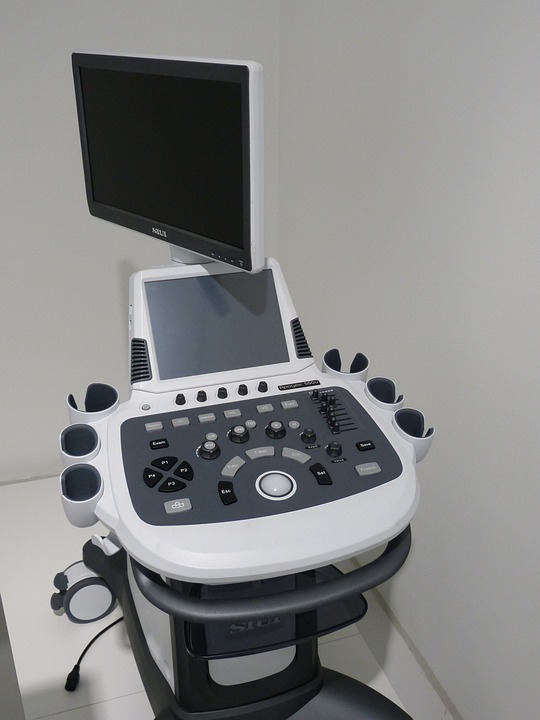
Navigating the Sound Waves: Honest Reviews of Top Ultrasound Clinics In today’s healthcare landscape, the precision of diagnostics is paramount, and ultrasound imaging has emerged as a vital tool across various medical disciplines. From obstetrics to cardiology, ultrasound clinics provide essential imaging services that help shape patient outcomes. With an overwhelming number of choices available, how does one navigate the waters of ultrasound services? This feature article dives into the world of ultrasound clinics, offering insights and reviews of some top-rated facilities, highlighting their services, technologies, patient experiences, and unique offerings. The Role of Ultrasound in Modern Medicine Ultrasound technology utilizes high-frequency sound waves to create images of the inside of the body. Unlike X-rays or CT scans, ultrasound does not employ ionizing radiation, making it suitable for a variety of applications, including: Obstetric imaging for monitoring fetal development. Cardiac assessments to evaluate heart conditions. Abdominal studies to investigate organ health. Musculoskeletal imaging for diagnosing injuries. As with any medical service, the quality of care can vary significantly between clinics. Therefore, we explored several ultrasound clinics, considering factors such as technology, staff qualifications, patient feedback, and overall service quality. 1. ClearView Ultrasound Clinic Located in the heart of the city, ClearView Ultrasound Clinic is well-known for its commitment to patient-centered care. Equipped with state-of-the-art equipment, including 3D and 4D ultrasound capabilities, it offers diverse services ranging from routine obstetric ultrasounds to advanced cardiac imaging. Patients often rave about the friendly staff and comfortable environment. One reviewer stated, “The tech was so gentle and made me feel at ease. It was the best part of my pregnancy so far!” ClearView prides itself on its quick appointment scheduling and minimal wait times, which significantly enhance the patient experience. 2. Precision Imaging Another commendable facility is Precision Imaging, recognized for its innovative approach to diagnostic imaging. It offers mobile ultrasound services, which have become increasingly popular among expectant mothers who want convenience during their prenatal visits. This clinic employs the latest imaging technology to ensure accurate diagnoses. Patient reviews cite the thoroughness of examinations and clear communication from technicians as key highlights. “They walked me through every step of the process and explained what they were looking for,” a satisfied patient noted. Additionally, their educational resources prepare patients for what to expect during and after their ultrasound sessions. 3. Elite Diagnostic Imaging Situated in a suburban area, Elite Diagnostic Imaging emphasizes accessibility and comprehensive care. It offers a wide array of ultrasound services, including vascular studies, abdominal ultrasounds, and even specialized imaging for pediatric patients. Patients appreciated the clinic’s comprehensive follow-up system, which ensures that they receive their results promptly and can consult with the physician if necessary. “I’ve directly communicated with my doctor within hours of the appointment,” one patient shared. This level of attention to detail sets Elite Diagnostic Imaging apart from others, ensuring that each patient feels prioritized and informed. 4. Family Wellness Imaging Family Wellness Imaging aims to create a holistic experience for patients. Their family-oriented approach includes offering ultrasound services in a relaxed, home-like atmosphere. They emphasize the emotional aspects of the imaging process, especially for expectant parents. Prospective parents can expect to receive keepsake images and videos of their ultrasound sessions, creating cherished memories. “It felt like they genuinely cared about the experience, not just the technicalities,” a parent remarked. This clinic often accommodates needs for multiple family members to be present during the imaging sessions, further improving the overall experience. 5. Advanced Imaging Center For those seeking advanced technology and cutting-edge imaging techniques, the Advanced Imaging Center stands out. The clinic offers a range of specialized ultrasounds, including elastography and contrast-enhanced ultrasound, which are crucial for detecting various medical conditions. Patient feedback highlights the professionalism of the staff and the seamless integration of technology into the diagnostic process. “I felt like I was in the hands of experts. They explained everything thoroughly and answered all my questions,” shared a patient post-visit. The clinic is usually equipped with an on-site radiologist, providing immediate interpretations of ultrasound results, which is a significant advantage for urgent cases. What to Consider When Choosing an Ultrasound Clinic While patient reviews can guide your choice, several factors should be considered when selecting an ultrasound clinic: Staff Qualifications: Ensure that the technicians are certified and highly trained in ultrasound technology. Technology: Look for clinics equipped with modern ultrasound machines that provide detailed imaging. Patient Reviews: Read multiple reviews to gauge the overall patient experience, paying attention to any recurring feedback. Accessibility: Consider the location, appointment availability, and services offered. Communication: Choose a clinic that prioritizes clear communication regarding procedures, results, and follow-up care. Final Thoughts In the realm of healthcare, ultrasound clinics play a critical role in effective diagnostics and patient care. By exploring patient reviews and clinic offerings, individuals can make informed decisions about where to seek ultrasound services. Whether it’s the high-tech capabilities of Advanced Imaging Center or the family-friendly environment of Family Wellness Imaging, each clinic has unique strengths that cater to different patient needs. Ultimately, the best choice will align with personal preferences, medical needs, and comfort levels. In navigating the sound waves of ultrasound clinics, information is your best companion—ensuring that healthcare experiences are as positive and beneficial as possible.
Efficiency at Your Fingertips: How Clinic Booking Systems Transform Healthcare

In an era where convenience is king, the healthcare industry is rapidly embracing technology to enhance patient experiences and streamline operational efficiency. One of the most significant advancements in this transformation is the adoption of clinic booking systems. These digital solutions are reshaping how healthcare providers manage appointments, optimize schedules and improve patient access to care. Let’s explore how these systems are dynamically altering the landscape of healthcare and what the future may hold. The Rise of Clinic Booking Systems As patient expectations evolve, so does the demand for more efficient and user-friendly healthcare services. Traditional methods of scheduling appointments—phone calls, paper forms, and in-person visits—are cumbersome and often lead to long wait times and scheduling conflicts. According to a report by the Healthcare Information and Management Systems Society (HIMSS), 70% of patients prefer online booking options, highlighting a clear shift towards digital solutions. Clinic booking systems offer a variety of features, such as online appointment scheduling, automated reminders, and patient self-check-in. These systems not only improve the patient experience but also reduce administrative burdens on healthcare staff, allowing them to focus on what truly matters: patient care. Enhancing Patient Access Convenience is paramount in today’s fast-paced world. With the rise of telehealth services, patients now expect the ability to book appointments at their convenience, without the necessity of picking up the phone. Clinic booking systems fulfill this requirement by enabling patients to schedule their appointments via a user-friendly online interface, available 24/7. A study published in the Journal of Health Communication notes that patients who use online booking systems are more likely to attend their appointments. This is attributed to improved engagement and a sense of ownership over their healthcare processes. With features such as calendar synchronization and the flexibility to reschedule or cancel appointments online, patients are empowered to manage their health more effectively. “The ability to book an appointment online has transformed how I engage with my healthcare provider. Gone are the days of playing phone tag.” – Sarah T., patient Operational Efficiency for Providers Clinic booking systems not only benefit patients but also significantly enhance operational efficiency for healthcare providers. By automating appointment scheduling, healthcare facilities can minimize double-bookings and reduce no-show rates, which can be detrimental to a practice’s bottom line. According to a report from the American Journal of Managed Care, no-show rates can be as high as 30%, leading to lost revenue and inefficient use of resources. By sending automated reminders via SMS or email, clinic booking systems reduce these rates by keeping patients informed and engaged. Consequently, providers can optimize their schedules, leading to better resource allocation and improved patient care. Integrating Health Records Many contemporary clinic booking systems seamlessly integrate with Electronic Health Records (EHR). This integration is a game-changer, providing healthcare providers with immediate access to a patient’s medical history, allergies, and previous appointments. Such access not only enhances the efficiency of ongoing patient care but also ensures accuracy in treatment decisions. As noted by the Office of the National Coordinator for Health Information Technology, integrated systems streamline workflows and reduce clinical errors, translating into enhanced patient safety and better health outcomes. When healthcare providers can easily access relevant patient information during the appointment booking process, they are equipped to deliver personalized and timely care that meets the unique needs of each patient. Customizable Features for Diverse Needs The flexibility and customization options that clinic booking systems offer are also noteworthy. Different healthcare specialties have distinct operational requirements. A pediatrician, a dental office, and a physical therapy clinic all need tailored solutions that cater to their unique patient demographics and scheduling complexities. Many clinic booking systems come with customizable features that allow healthcare providers to adjust their scheduling preferences, categorize appointments, and set specific time slots for different types of services. This adaptability is crucial for managing busy healthcare environments, especially during peak hours. Facing Challenges Ahead Despite the myriad benefits, implementing clinic booking systems is not without its challenges. Healthcare providers often face hurdles such as initial costs, system integration issues, and resistance to change from staff. According to a survey by the Health Information Management Association, one in five healthcare organizations reported significant struggles during the transition to digital booking systems. To counter these challenges, healthcare organizations must invest in comprehensive training for staff, ensuring that everyone is on board with the technological shift. Moreover, selecting the right vendor who understands the unique nuances of a healthcare practice is critical to minimizing disruptions during the implementation phase. The Future of Clinic Booking Systems The future of clinic booking systems is promising. With the integration of Artificial Intelligence and machine learning, we can anticipate even smarter scheduling solutions that predict patient needs based on historical data. Additionally, the potential for telehealth services to be integrated directly into booking systems will further enhance patient convenience and accessibility. As we venture deeper into this digital age, it becomes increasingly clear that efficiency is no longer a luxury but a necessity in healthcare. The evolution of clinic booking systems signifies a remarkable step forward in meeting the needs of both patients and providers. Ultimately, these innovations will pave the way for a healthier future where access to care is as straightforward as a few clicks of a button.
A Closer Look: The Importance of Your Prenatal Scan Appointment

In the journey of expecting a child, each appointment brings anticipation and excitement, but none may be quite as pivotal as the prenatal scan. Often referred to as an ultrasound, this non-invasive imaging technique plays a crucial role in monitoring the health and development of both the mother and the fetus. But what exactly happens during a prenatal scan, and why is it so important? What is a Prenatal Scan? A prenatal scan typically refers to an ultrasound examination conducted during pregnancy. It utilizes sound waves to create images of the baby in the womb, allowing healthcare providers to assess the fetus’s growth and development. Depending on the stage of pregnancy, different types of scans may be performed, including: First Trimester Scans: Usually conducted between weeks 6-14, these scans help confirm pregnancy viability and detect any potential issues early on. Second Trimester Scans (Anatomy Scan): Conducted between weeks 18-22, this comprehensive scan checks the baby’s anatomy, including organs and limbs, and identifies the gender if desired. Third Trimester Scans: Focused on growth, position, and overall health of the fetus, typically conducted between weeks 28-40. Why Are Prenatal Scans Important? Prenatal scans serve multiple essential purposes that can be life-changing for both mother and child: 1. Confirming Viability and Health One of the first reasons to schedule an ultrasound is to confirm the pregnancy and ensure that the fetus is developing correctly. Early scans can detect heartbeat, size, and position of the embryo, which are pivotal for ensuring a healthy pregnancy. 2. Monitoring Growth and Development Regular scans provide critical insights into how the fetus is growing. Measurements are taken to monitor growth patterns, ensuring the baby is on track. If necessary, doctors can identify conditions such as intrauterine growth restriction (IUGR), which may require careful management. 3. Screening for Genetic Disorders During the anatomy scan in the second trimester, technicians look for physical markers that may indicate genetic disorders. Some health conditions can be detected early, allowing families to prepare and make informed decisions concerning care and management. 4. Determining Position and Preparing for Delivery As the pregnancy advances, the baby’s position becomes crucial for delivery. A prenatal scan can reveal whether the baby is head-down (the ideal position) or breech, providing vital information for birth planning and intervention if needed. 5. Emotional Connection Beyond the medical aspects, prenatal scans offer parents an invaluable opportunity to bond with their unborn child. Seeing a sonogram can make the realities of parenthood feel more tangible and help parents connect with the baby, contributing to a sense of attachment. Preparing for Your Prenatal Scan Appointment Preparation can ease anxiety and ensure a smooth experience during a prenatal scan. Here are a few tips: Follow Pre-Scan Instructions: Depending on the type of scan, your healthcare provider may give specific instructions, such as drinking water beforehand to fill your bladder. Gather Your Support: Bring a partner, family member, or friend. Sharing the experience can enhance emotional bonding and support. Prepare Questions: If you have any concerns or queries—about the scan, baby’s development, or anything else—write them down and discuss them with your healthcare provider. What to Expect During the Appointment Understanding what happens during a prenatal scan can help allay fears and enhance expectations: Check-In and Initial Assessment: Upon arrival, you will check in and answer a series of questions about your health and the pregnancy. Ultrasound Procedure: You will be asked to lie down, usually on your back, while a technician applies a gel to your abdomen and uses a transducer device to capture images. The scan is painless and typically lasts around 20-30 minutes. Reviewing the Images: The technician may point out various body parts. Afterward, a radiologist or your healthcare provider will review the results and discuss them with you. Conclusion Your prenatal scan appointment is more than just a routine check; it’s a vital part of your pregnancy journey, opening a window into your baby’s world. By ensuring healthy development, detecting any potential issues, and enriching your emotional connection, these scans serve as a foundational pillar of prenatal care. As you approach this appointment, remember that it’s an opportunity to celebrate the unique journey you’re on—one that ultimately leads to the joyous arrival of your little one.
Navigating the System: Essential Tips for Booking Your Maternity Clinic Visit

The journey to parenthood is filled with thrilling moments, but it can also bring its fair share of challenges. One of those challenges is navigating the healthcare system, especially when it comes to booking appointments at a maternity clinic. With so much information available and various steps to follow, it can sometimes feel overwhelming. However, with the right approach and preparation, you can simplify the process and ensure that your clinic visits are as smooth as possible. 1. Start Early: Know Your Timeline The first step in successfully booking your maternity clinic visits is understanding the recommended timeline for prenatal care. Typically, your first appointment should occur around 8-10 weeks of pregnancy. Regular check-ups usually follow every 4 weeks until you reach 28 weeks, then every 2 weeks until 36 weeks, and weekly thereafter. Early Appointment: Schedule your first visit as soon as you confirm your pregnancy. Regular Check-ups: Keep track of upcoming visits to anticipate any scheduling issues. 2. Research Your Options The first step in the process is knowing which maternity clinics are available to you. Take the time to research different facilities, services they offer, and their locations. Factors such as insurance networks, clinic reputation, and available specialists can significantly impact your experience. Consider the following while conducting your research: Insurance Compatibility: Ensure the clinic accepts your insurance to minimize out-of-pocket expenses. Advanced Services: Does the clinic offer prenatal classes, ultrasound services, or genetic testing? Reviews and Recommendations: Talk to friends or family about their experiences and read online reviews. 3. Prepare Your Documentation Once you’ve identified a suitable clinic, it’s essential to gather and prepare the necessary documentation. Having everything ready ahead of time will streamline your appointment and ensure you get the best care possible. Key documents to consider include: Insurance Card: Bring your insurance card to verify coverage. Medical History: Provide a detailed medical history, which should include prior pregnancies, existing health conditions, and medications. Referral Documents: If required, obtain any necessary referrals from your primary care doctor. 4. Book Your Appointment Wisely When it comes time to book your appointment, consider factors that can affect availability. Peak times, such as Monday mornings or Friday afternoons, may lead to longer wait times. Aim to book your appointment during off-peak hours—midweek and mid-morning often serve as ideal windows. Be mindful of how you make this appointment as well: Online Booking: Many clinics now offer online booking options that can save you time and provide instant confirmation. Phone Calls: If you prefer calling, be ready with your questions and have a list of available dates handy. 5. Ask Questions Your maternity clinic visit is your prime opportunity to gain valuable information regarding your pregnancy. Don’t hesitate to ask questions during your appointment; a good healthcare provider will welcome your inquiries. Common questions to consider include: What should I expect during the upcoming months? When will I need additional tests or screenings? Are there any dietary restrictions? 6. Stay Organized After booking your appointment, stay organized! Keeping all your documents, appointments, and notes in one place can significantly reduce stress. Consider using a planner or digital calendar to track upcoming visits, tests, and any important deadlines. 7. Follow Up After your appointment, it’s essential to address any follow-up requirements. If you had tests conducted, make sure to discuss the results with your healthcare provider. If you were advised to schedule any additional appointments, do so in a timely manner. Don’t hesitate to reach out to the clinic if you have questions or concerns between visits, whether about symptoms or results from tests. 8. Build a Support Network Navigating your maternity clinic visits is more manageable when you have a solid support network. Engage with family, friends, or even online communities that can share their experiences and advice. Joining a prenatal class or local parenting group can also provide additional emotional and informational support throughout your pregnancy. 9. Be Flexible and Patient Healthcare systems can sometimes be unpredictable. Appointments can be rescheduled or postponed due to various reasons, from provider availability to unforeseen circumstances. Maintaining flexibility and patience will make the process less stressful. Conclusion Booking your maternity clinic visits is an essential part of ensuring a healthy pregnancy. While the system may seem daunting at first glance, following these tips can significantly streamline your experience. From starting early and researching your options to staying organized and maintaining open communication, you’ll feel more empowered during this exciting journey. Remember, each appointment brings you one step closer to welcoming your little one, and your proactive engagement will pave the way for a healthy future.
Unlocking Insights: A Comprehensive Guide to Ultrasound Consultations

Ultrasound consultations have emerged as a pivotal tool in modern medicine, leveraging sound waves to generate images of the internal body structures. This non-invasive procedure not only aids in diagnostics but also in monitoring various conditions. In this comprehensive guide, we will navigate through the essential aspects of ultrasound consultations, including their preparation, benefits, potential outcomes, and the burgeoning applications in healthcare. Understanding Ultrasound Technology Ultrasound imaging, also known as sonography, uses high-frequency sound waves to create visual representations of organs and structures within the body. Unlike X-rays, ultrasound does not use ionizing radiation, making it a safer option for many patients, particularly during pregnancy. Preparation for an Ultrasound Consultation Preparing for an ultrasound can vary depending on the type of ultrasound being performed. Below are generalized guidelines to help ensure a successful consultation: Fasting: Some ultrasound types, particularly abdominal ultrasounds, may require fasting for several hours beforehand to ensure clearer images. Hydration: Patients may be asked to drink plenty of water prior to a pelvic ultrasound. A full bladder can provide better visibility of pelvic organs. Clothing: Comfortable, loose-fitting clothing is recommended. Patients may need to wear a gown during the procedure. Medications: Continuing prescribed medications is usually advised, but patients should consult their physician about any specific instructions. What to Expect During the Procedure During an ultrasound consultation, patients will typically follow these steps: Arrival: Patients check in at the imaging center and complete any necessary paperwork. Preparation: A technician will guide the patient to a private room and explain the procedure. The patient may need to remove clothing in the area to be examined. Application of Gel: A conductive gel is applied to the skin to facilitate the transmission of sound waves. Imaging: The technician will move a transducer over the skin to capture images. Patients may be asked to change positions to get different views. Conclusion: The procedure typically lasts between 20 to 60 minutes, after which patients are free to resume regular activities. Benefits of Ultrasound Consultations Ultrasound consultations offer a wide array of benefits that extend beyond traditional imaging techniques: Non-invasive: Ultrasounds are painless and do not require incisions or injections. Real-time imaging: Doctors can view images in real-time, allowing for immediate assessment. Versatility: Ultrasounds can be used across various specialties including obstetrics, cardiology, and emergency medicine. Safety: The absence of radiation makes it a preferred choice for pregnant women and sensitive populations. Potential Outcomes and Follow-Up The results of an ultrasound consultation can lead to various conclusions: Normal Findings: In many instances, the results are completely normal, indicating no issues. Further Investigation: Abnormal findings may necessitate additional tests, such as MRIs, CT scans, or laboratory tests to further evaluate concerns. Monitoring: For chronic conditions, follow-up ultrasounds may be required to monitor changes over time. Emerging Trends and Innovations in Ultrasound Technology As technology evolves, so does the realm of ultrasound consultations. Here are some emerging trends: 3D and 4D Imaging: Advanced imaging techniques provide intricate, three-dimensional views of structures, enhancing diagnostic capabilities. Portable Ultrasound Devices: Mobile ultrasound devices are making diagnostics more accessible, particularly in remote or underserved areas. Artificial Intelligence: AI integration is paving the way for automated image analysis, improving accuracy and efficiency in diagnostics. Conclusion Ultrasound consultations represent a remarkable fusion of technology and medicine, offering a vital avenue for assessment and monitoring in numerous fields. With their non-invasive nature and expansive applications, ultrasounds are not only transforming patient experiences but are also shaping the future of healthcare. As advancements continue, stakeholders in the medical field must remain adept at navigating these innovations to deliver the best possible care. Whether for routine evaluations or specific health concerns, understanding ultrasound consultations equips patients and healthcare providers alike to make informed decisions, facilitating a collaborative approach towards better health outcomes.
Don’t Miss Out! Expert Tips for Perfect Scan Booking Every Time
Scheduling a scan can often feel daunting, especially with the myriad of options and timelines available. Whether you’re booking a routine procedure or a specialized scan, the process should not add to your stress levels. By implementing effective strategies, you can simplify scan booking, saving you time and trouble in the long run. Here’s a comprehensive guide to ensuring your scan booking process is smooth and efficient. Understanding Different Types of Scans Before diving into scheduling, it’s essential to understand the different types of scans available: CT Scans: Ideal for detailed cross-sectional images of your body. MRIs: Best suited for soft tissue imaging, commonly used for neurological scans. Ultrasounds: Utilized primarily in obstetrics, these scans use high-frequency sound waves. X-rays: The most common imaging tests, perfect for examining bones and certain organs. Choosing the Right Facility Finding the right medical facility is crucial. Look for a center that specializes in the type of scan you need. Consider the following: Accreditation: Ensure the facility is accredited by relevant medical authorities. Reviews: Research patient testimonials and success rates. Location: Choose a facility that is convenient to reduce travel stress. Insurance: Verify that the facility accepts your insurance plan. Expert Tips for Seamless Scan Booking 1. Prepare Your Information Before making a call or going online, gather all necessary information: Your health insurance policy details. Your doctor’s referral information, if required. Your medical history that might be pertinent to the scan. 2. Choose the Right Time Timing can affect both availability and your overall experience: Early morning appointments tend to have less waiting time. Check for less busy days, usually midweek, to ensure smoother sailing. 3. Utilize Technology Take advantage of online booking systems: Many facilities offer online appointment scheduling, making the process quick and easy. Apps and platforms can send reminders to help you avoid missing your appointment. 4. Confirm with Your Doctor Always consult with your doctor about the necessity and urgency of the scan: Your doctor can provide additional insights into the best type of scan for your needs. They can also expedite referrals, should you need a specialized scan. 5. Double-Check Appointment Details Before finalizing your booking: Confirm the date, time, and location to avoid confusion. Check if there are any special preparations required for the scan. Preparation Before the Scan Once your appointment is secured, adhere to any preparatory guidelines provided by the facility: For scans like MRIs, you may need to avoid certain medications or foods. Arrive early to allow time for paperwork and to settle in. After the Scan: What to Expect Post-scan, follow up on your results: Most facilities will inform you how to obtain your results (via online portal, mail, or follow-up appointment). Be proactive in contacting your doctor to discuss the findings of your scan. Navigating Potential Challenges Despite thorough preparation, challenges can arise. Here are common issues and how to address them: Insurance Issues: If denied coverage, contact your insurance provider for clarity and options. Last-Minute Cancellations: Always have backup options in mind, including alternative facilities. Conclusion Scan booking doesn’t have to be a hassle. With the proper knowledge and preparation, you can navigate the system with confidence. From understanding your scan options to harnessing technology, these expert tips will ensure you never miss out on important health screenings. Remember, advocate for your health by being proactive and well-prepared, guaranteeing that your experience is as smooth and efficient as possible.
Essential Questions to Ask During Your Pregnancy Clinic Visit

Pregnancy is an exciting yet overwhelming time filled with countless emotions and a plethora of questions. As you prepare for your clinic visits, knowing what to ask can help you get the most out of your appointments. Here, we dive into essential questions that every expecting parent should consider during their pregnancy clinic visit. Understanding the Importance of Your Questions Asking the right questions can make a significant difference in your pregnancy experience. It allows you to gain vital information, address any concerns, and build a strong relationship with your healthcare provider. This partnership can enhance your overall prenatal care, leading to better outcomes for both you and your baby. General Health Questions 1. What Prenatal Vitamins Should I Take? Maternal nutrition is vital for a healthy pregnancy. Inquire about recommended prenatal vitamins, especially folic acid, which can prevent neural tube defects. Ask if there are specific brands or formulations that your healthcare provider recommends. 2. How Should I Modify My Diet? Your healthcare provider can offer guidance on what to eat and what to avoid. This can include specific foods rich in essential nutrients, as well as caution against certain items like raw fish or unpasteurized dairy products. Understanding these dietary modifications early on will help you provide the best nutrition for your developing baby. Monitoring Your Baby’s Health 3. How Will We Monitor the Baby’s Growth and Development? Curious about ultrasound appointments and other necessary screenings? Ask your healthcare provider about the schedule and types of tests you will undergo to monitor your baby’s health. This could include routine ultrasounds, blood tests, and later discussions about fetal movement. 4. What Does a Normal Heartbeat Sound Like? Understanding what is considered a normal fetal heartbeat can provide peace of mind. Inquire about the range you can expect and any concerns you should be aware of regarding fluctuations. Managing Symptoms and Concerns 5. What Symptoms are Normal, and Which Aren’t? Pregnancy can introduce a range of physical and emotional changes. Prepare a list of symptoms you’ve experienced and ask which are typical and which may require further investigation. Examples may include extreme fatigue, nausea, or anxiety. 6. How Can I Manage Pregnancy Discomfort? Whether dealing with morning sickness, back pain, or leg cramps, strategies for discomfort management are crucial. Your healthcare provider can offer safe remedies, lifestyle modifications, or medications to ensure you remain as comfortable as possible. Labor and Delivery Questions 7. What is the Birth Plan Process? Understanding the concept of a birth plan can be essential for your prepared approach to labor and delivery. Ask your provider about how to create a birth plan, what options are available (like pain management, support people, and medical interventions), and how flexible these plans can be. 8. What Are the Signs that Labor Has Started? Being informed about the signs of labor can help you prepare for the big day. Ask your provider what symptoms you should watch for to differentiate between pre-labor and actual labor. Postpartum Care 9. What Should I Expect After Delivery? Postpartum care is often overlooked during pregnancy discussions. Engage your provider concerning what to expect after childbirth, including physical recovery, emotional health, and breastfeeding advice. This preparation can ease the transition into motherhood. 10. When Can I Resume Normal Activities? Understanding the timeline for resuming activities post-delivery is important for your health. Ask your provider about physical activity, sexual health, and how to gradually reintroduce those aspects of your life. Conclusion Pregnancy is a unique journey, and having open lines of communication with your healthcare provider is crucial. By asking these essential questions, you’ll not only gain insightful information but also feel more empowered and confident as you navigate this incredible chapter in your life. Remember, no question is too small when it comes to the health of you and your baby, and a proactive approach to your healthcare can set the stage for a positive pregnancy experience.
Ultrasound Uncovered: The Ultimate Resource for Understanding Diagnostic Imaging

Ultrasound technology has revolutionized the landscape of diagnostic imaging, playing a crucial role in the early detection and monitoring of various medical conditions. In its simplest form, ultrasound employs high-frequency sound waves to create visual representations of organs and structures within the body. With advancements in technology, ultrasound has not only become more accessible but has also significantly improved in resolution and applications. This article serves as a comprehensive guide to understanding ultrasound technology, its uses, advantages, and emerging trends in the field. What is Ultrasound? Ultrasound imaging, or sonography, utilizes sound waves to produce images of internal body structures. Unlike radiography, which uses ionizing radiation, ultrasound is non-invasive and considered safe, making it a preferred option for a variety of medical evaluations. The ultrasound machine consists of a transducer, which emits sound waves, and a computer that interprets the echoes bounced back from tissues to create images. How Does Ultrasound Work? The principle behind ultrasound is relatively straightforward. When the transducer sends ultrasound waves into the body, these waves interact with various tissues, producing echoes. The computer then processes these echoes to form images based on the density and characteristics of the tissues they encounter. For instance, sound waves travel differently through fluid compared to solid tissue, allowing healthcare providers to differentiate between various structures. Applications of Ultrasound Ultrasound has a plethora of applications across different fields of medicine: 1. Obstetrics and Gynecology One of the most well-known uses of ultrasound is in obstetrics, where it is employed to monitor fetal development during pregnancy. From the first trimester to the third, ultrasound helps in confirming pregnancy, assessing fetal growth and well-being, and determining gestational age. In gynecology, it is used to evaluate conditions such as ovarian cysts, fibroids, and uterine abnormalities. 2. Cardiac Imaging Ultrasound is integral in assessing heart health. Echocardiograms use sound waves to visualize heart chambers, valves, and blood flow patterns. This non-invasive technique helps to diagnose heart diseases, monitor the effectiveness of treatments, and guide surgical interventions. 3. Abdominal Imaging In the realm of abdominal imaging, ultrasound aids in the evaluation of organs like the liver, kidneys, and gallbladder. Conditions such as liver cirrhosis, kidney stones, and gallstones can be effectively diagnosed and monitored through this technology. 4. Musculoskeletal Imaging Ultrasound is gaining traction in musculoskeletal imaging as well. It allows for the assessment of soft tissues like tendons, ligaments, and joints, making it invaluable for diagnosing injuries, inflammation, and conditions such as arthritis. Advantages of Ultrasound The growing popularity of ultrasound in diagnostic imaging can be attributed to several advantages: 1. Safety Since ultrasound does not involve ionizing radiation, it is a safer option, especially for pregnant women and young children. 2. Real-time Imaging Ultrasound provides real-time imaging, offering dynamic assessments. This is particularly beneficial during procedures such as guided biopsies or injections. 3. Portability Modern ultrasound machines have become increasingly portable, making it easier to perform evaluations in various settings, from clinics to emergency rooms. 4. Cost-effective Compared to other imaging modalities, ultrasound is often more affordable, making it accessible for patients and healthcare systems alike. Challenges and Limitations Despite its many advantages, ultrasound technology does face challenges and limitations: 1. Operator Dependency The accuracy of ultrasound imaging heavily relies on the skill and experience of the operator. Misinterpretations can occur, particularly in complex cases. 2. Limited Penetration Ultrasound may be less effective for imaging deep structures or areas obscured by gas or bone, which can limit diagnostic capabilities. 3. Artifacts Ultrasound images may be susceptible to artifacts—false interpretations caused by various factors such as body composition, patient movement, or equipment malfunction. Proper training and experience can help mitigate these issues. Future of Ultrasound Technology The future of ultrasound technology holds exciting promise: 1. Artificial Intelligence Integration As artificial intelligence (AI) continues to advance, its integration with ultrasound technology may enhance image analysis, allowing for quicker and more accurate diagnoses. 2. Improved Imaging Capabilities Emerging technologies, such as three-dimensional (3D) ultrasound, are being developed to provide even more detailed images. This can lead to better assessments of complex anatomical structures. 3. Tele-ultrasound Telemedicine has gained traction, especially during the COVID-19 pandemic. Remote ultrasound diagnostics and consultations will likely become more commonplace, allowing specialists to evaluate patients remotely. Conclusion Ultrasound technology stands as a cornerstone of modern diagnostic imaging, offering numerous benefits across various medical fields. Its non-invasive nature, combined with real-time imaging capabilities, make it a powerful tool for detecting and monitoring medical conditions. As advancements continue, the integration of AI and improved imaging techniques could elevate the standard of care, making ultrasound an indispensable resource in healthcare.
“Top Tips for Securing Your Appointment at a Private Clinic”

In today’s fast-paced world, securing an appointment at a private clinic can seem daunting. Whether you are seeking specialized treatment or faster service, navigating the world of private healthcare can be tricky. Here’s a helpful guide to ensure you get your appointment as quickly and smoothly as possible. 1. Research Your Options Start by identifying the specific services you need. Conduct thorough research to find clinics that specialize in your required area, whether it’s orthopedic care, dermatology, or mental health services. Utilize online resources, patient reviews, and ratings to narrow your list of potential clinics. Websites like Healthgrades and RateMDs can provide valuable insights into a clinic’s reputation and expertise. 2. Check for Availability Once you have a list of potential clinics, visit their websites or call their reception to inquire about appointment availability. Some clinics allow online booking, where you can view real-time slot availability, making it easier to lock in your desired time. Make a note of their office hours and the best times to call, as peak hours can lead to longer wait times. Tip: Book during off-peak hours, typically mid-morning or mid-afternoon, to increase your chances of getting through quickly. 3. Prepare Your Medical History When scheduling appointments, clinics often request a summary of your medical history or any relevant documentation. Preparing this in advance not only speeds up the booking process but also helps the clinic better understand your needs. Compile a list of past treatments, medications, allergies, and any tests or surgeries you have undergone. 4. Be Flexible with Timing Your flexibility can significantly ease the appointment scheduling process. If you can, express willingness to take a slot at short notice; many clinics keep a waitlist for last-minute cancellations. Additionally, being open to earlier or later appointments can increase your options. Tip: Some clinics offer email or SMS notifications for last-minute cancellations. Opt-in to these services if available. 5. Use a Referral If you’re seeking treatment for specialized services, a referral from your general practitioner can enhance your chances of securing an appointment. Many private clinics prefer referrals, as they indicate the patient’s needs have been assessed by a medical professional. Not only does this provide credibility, but it may also help you bypass long waiting times commonly associated with new patient sign-ups. 6. Follow Up Once you have requested an appointment, whether via email or phone, don’t hesitate to follow up. If you haven’t received a response within a few days, check in to confirm your request has been processed. This not only shows your enthusiasm for the appointment but also reinforces your status as a prospective patient. 7. Have Your Insurance Information Ready Check if the clinic accepts your insurance and gather all relevant details before making the appointment. Having this information handy can prevent any delays or misunderstandings, ensuring you understand your coverage and out-of-pocket expenses. If paying out-of-pocket, clarify costs upfront to avoid surprises. 8. Ask Questions During the Call When you speak to the clinic’s staff, use this opportunity to ask questions about the services offered, payment policies, cancellation policies, and what to expect during your visit. This not only prepares you but also establishes a rapport with the clinic staff, making them more likely to assist you promptly. 9. Leverage Social Media Many private clinics maintain a presence on social media platforms. Engage with their content, ask questions, and stay updated on any announcements regarding appointment availability. Sometimes clinics run social media campaigns for special services or seasonal offers that you can take advantage of. 10. Build a Relationship with Your Provider If you’ve had a positive experience at a clinic or with a specific provider previously, consider establishing a rapport. Clinics often prioritize returning patients, especially those who have demonstrated loyalty and prompt payment. Maintain contact, and don’t hesitate to mention your previous visits when booking your next appointment. Conclusion Securing your appointment at a private clinic doesn’t have to feel overwhelming. By conducting proper research, preparing necessary documents, and maintaining flexibility, you can streamline the process and ensure that you receive the care you need in a timely manner. Remember, your health is a priority—take the steps necessary to make accessing it as convenient as possible.
Don’t Miss a Beat: Your Comprehensive Guide to Ultrasound Scan Preparation

Ultrasound scans are a vital diagnostic tool used in medicine, providing crucial insights into various conditions. These non-invasive imaging techniques utilize high-frequency sound waves to create images of structures inside the body. While the procedure is generally quick and painless, proper preparation can enhance the experience and improve the accuracy of the results. In this article, we provide a comprehensive guide to prepare for an ultrasound scan that ensures you don’t miss a beat. Understanding Ultrasound Scans Before diving into preparation tips, let’s briefly understand what ultrasound scans involve. An ultrasound machine emits sound waves that bounce off internal organs and tissues, creating echoes that are translated into images by a computer. This method is commonly used in obstetrics, cardiology, and abdominal imaging, among other fields. Types of Ultrasound Scans There are several types of ultrasound scans, each serving different purposes: Obstetric Ultrasound: Used during pregnancy to monitor fetal development. Abdominal Ultrasound: Helps assess organs like the liver, gallbladder, and kidneys. Cardiac Ultrasound: Evaluates heart function and blood flow. Musculoskeletal Ultrasound: Diagnoses issues in muscles and joints. Transvaginal and Transrectal Ultrasound: Provides internal imaging through the vagina or rectum. General Preparation Guidelines A few universal preparation steps can ensure a smoother ultrasound experience, regardless of the type: 1. Follow Dietary Instructions Many ultrasound procedures require specific dietary adjustments: Fasting: Some scans, especially abdominal ultrasounds, may require you to fast for at least 6-8 hours prior to the procedure. This helps reduce gas in the intestines and clears the view for accurate imaging. Hydration: For pelvic scans, you may be advised to drink water and have a full bladder. This is particularly important for transabdominal pelvic ultrasounds. 2. Dress Appropriately Wearing comfortable, loose-fitting clothing can facilitate the scanning process. Avoid clothing items that are hard to remove, especially if you need to expose your abdomen or pelvic area. 3. Communicate with Your Doctor Provide your healthcare provider with a comprehensive medical history, including any medications you’re taking and conditions you have. This information is vital for interpreting scan results accurately. Special Considerations for Pregnancy Ultrasounds Preparing for an ultrasound during pregnancy requires a touch of extra care. Here’s what expectant mothers should keep in mind: 1. Timing Matters Routine ultrasounds are typically conducted at 8-14 weeks for dating, 18-20 weeks for anatomy assessments, and later for growth checks. Always confirm your appointment timing with your healthcare provider. 2. Discuss Ultrasound Types Aside from standard ultrasounds, 3D and 4D ultrasounds provide detailed fetal images, but these may not be medically necessary. Discuss with your provider to understand the purpose and benefits. During the Ultrasound Scan The ultrasound procedure usually lasts between 30 to 60 minutes, depending on the type and complexity. Here’s what you can expect: 1. The Examination Room During your scan, you’ll lie on an exam table with your abdomen exposed. A gel will be applied to ensure good contact between the transducer and your skin, which is vital for clear imaging. 2. The Role of the Technician Ultrasound technicians, also known as sonographers, will perform the scan. They will guide you on movements and may ask you to hold your breath at times to obtain better images. Post-Scan Recommendations Once the scan is completed, you can return to your regular activities, but it is still important to take note of your health provider’s recommendations: 1. Review Results Your healthcare provider will usually discuss the ultrasound results during your follow-up appointment. Don’t hesitate to ask questions or request clarifications on any findings. 2. Follow-Up Scans If there were any concerns raised during the ultrasound, further tests might be required. Always abide by your healthcare provider’s recommendations for any additional scans. Common Myths About Ultrasound Scans Despite their widespread use, some misconceptions about ultrasound scans persist: Myth: Ultrasounds are dangerous to both the mother and the fetus. Fact: Ultrasound is a safe, non-invasive procedure that uses sound waves, not radiation. Myth: Ultrasounds are only for pregnant women. Fact: Ultrasounds are used for various diagnostic purposes across numerous medical fields. Conclusion Preparing for an ultrasound scan doesn’t have to be stressful. By following these guidelines, you can maximize the effectiveness of your scan and ensure a smoother process. Remember that communication with your healthcare provider is key; they are your best resource for personalized advice tailored to your specific needs. So take a deep breath, and remember: you are now equipped with the knowledge to “not miss a beat” when it comes to your ultrasound preparation.