

Pregnancy Health Checkups: A Comprehensive Timeline for Expecting Mothers
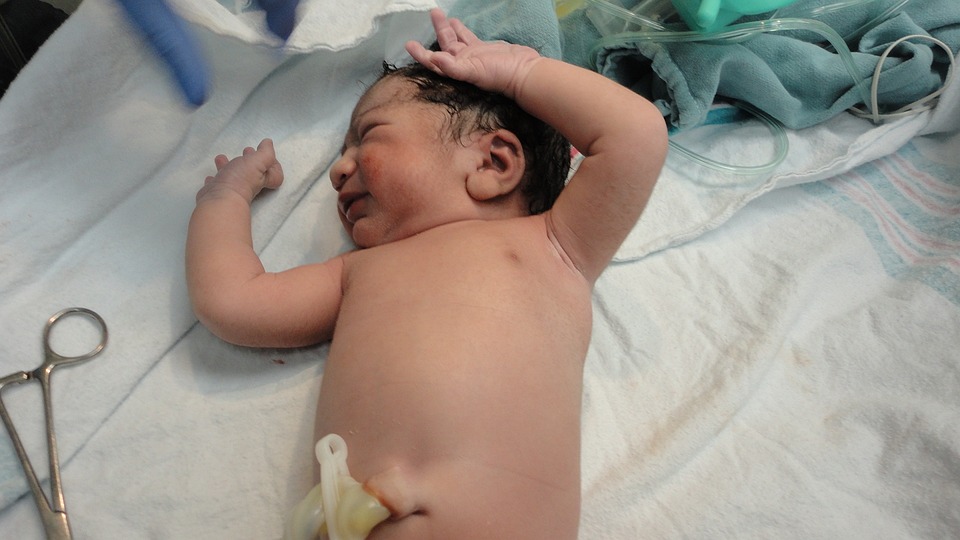
Pregnancy is an exhilarating journey filled with anticipation, joy, and the inevitable challenges that come with creating new life. However, navigating this complex period requires more than just excitement; it necessitates a keen awareness of one’s health. Regular health checkups during pregnancy not only ensure the well-being of the mother but also play a crucial role in the development of the baby. In this article, we will explore the essential health checkups throughout a typical pregnancy, illustrating a comprehensive timeline for expectant mothers. First Trimester: Weeks 1 to 12 The first trimester is a pivotal period that lays the groundwork for the pregnancy. Confirming the pregnancy typically initiates a series of health checkups. Here are the key components: Initial Checkup (6-8 weeks): This includes a comprehensive medical history, a physical exam, and lab tests to check for blood type, Rh factor, anemia, infections, and sexually transmitted diseases (STDs). Your provider may also order a urine test to assess kidney function. Ultrasound Scan: An early ultrasound (around 8 weeks) helps confirm the pregnancy, assess the fetal heartbeat, and determine the due date. Genetic Screening: Some healthcare providers may offer first-trimester screening tests, which can identify potential genetic conditions. During the first trimester, it is essential to discuss lifestyle factors with your healthcare provider. Topics such as nutrition, exercise, prenatal vitamins (including folic acid), and avoiding harmful substances like tobacco or alcohol should be addressed. Second Trimester: Weeks 13 to 27 The second trimester is often regarded as the most comfortable period for many mothers-to-be. However, regular health checkups remain crucial. Checkup Schedule: Expect to have monthly checkups where your healthcare provider will monitor your weight, blood pressure, and fetal heartbeat. Screening Tests: Around 15-20 weeks, the quad screen test may be conducted to assess the risk of genetic disorders such as Down syndrome. Anatomy Scan (20 weeks): This detailed ultrasound examines the baby’s anatomy and checks for any developmental abnormalities. It is also an opportunity to determine the baby’s sex if the parents wish to know. Nutrition becomes particularly important during the second trimester as the baby rapidly grows. Adequate intake of calcium, iron, and protein is essential, and expectant mothers should continue taking prenatal vitamins. Third Trimester: Weeks 28 to Birth The final trimester marks a period of preparation and monitoring. The frequency of checkups increases as the due date approaches. Checkup Frequency: Appointments are typically scheduled every two weeks until the 36th week, after which they are usually weekly. Glucose Screening (24-28 weeks): A glucose challenge test helps identify gestational diabetes, a condition affecting some pregnant women. Group B Strep Screening (35-37 weeks): A simple swab test checks for Group B streptococcus, a bacterium that can affect newborns during delivery. Additionally, discussions about birth plans, pain management options, and potential complications should be in focus during this trimester. It’s also an ideal time for expectant mothers to engage in prenatal classes to prepare for childbirth and parenting. The Importance of Self-Monitoring While scheduled checkups are vital, self-monitoring can significantly enhance prenatal care. Here are some self-exams and symptoms to watch for: Kick Counts: Mothers can track fetal movements to ensure the baby is active; a decrease in movement can signal the need for medical attention. Symptoms to Report: Be aware of concerning symptoms such as severe headaches, vision changes, swelling in the face or hands, or persistent abdominal pain. Postpartum Health Checkups After delivery, the focus shifts to the health of both mother and baby. A postpartum checkup typically occurs within 6 weeks of delivery. This visit addresses: Recovery from labor and delivery Mental health screenings to identify postpartum depression Discussion of birth control options and future pregnancy plans Taking the time for a thorough postpartum checkup is essential for long-term health and well-being. Conclusion The journey of pregnancy is filled with excitement, anticipation, and challenges. Regular health checkups play an integral role in ensuring a healthy pregnancy for both the mother and the baby. By adhering to the outlined timeline and actively engaging with healthcare providers, expectant mothers can navigate their pregnancy with confidence, awareness, and the best possible care. Embracing this journey with diligence not only paves the way for a smooth pregnancy but fosters a healthier beginning for the baby. As every pregnancy is unique, it’s vital for expectant mothers to maintain open communication with their healthcare providers about their health needs and concerns throughout the entire process.
Navigating Pregnancy: The Importance of Routine Health Assessments

Pregnancy is a transformative journey, heralding both excitement and uncertainty. Beyond the joyous anticipation of welcoming a new life, it presents numerous health considerations for the expectant mother. Routine health assessments play a pivotal role in ensuring a safe and healthy pregnancy for both mother and baby. These assessments serve not just to monitor the growth and development of the fetus, but also to safeguard the health of the mother throughout this critical period. The Essential Nature of Routine Health Assessments In the realm of pregnancy, routine health assessments can be defined as a series of scheduled check-ups that allow healthcare professionals to closely monitor the health of the mother and the developing fetus. These assessments typically include blood tests, ultrasounds, and vital sign checks, among others. The significance of these routine assessments cannot be understated. They serve multiple purposes: Monitoring Development: Ultrasounds can help track the growth and physical development of the fetus, confirming that growth is on target. Identifying Risks: Routine blood tests can unveil conditions such as gestational diabetes or pre-eclampsia, allowing for early interventions. Assessing Heart Health: Monitoring vital signs, like blood pressure, helps ensure the mother is physically prepared for labor and delivery. Emotional Support: Regular check-ups may provide an opportunity for mothers to discuss fears or concerns, thus promoting mental well-being. The First Trimester: Setting the Foundation The first trimester is one of the most critical periods in pregnancy, as it is when many major systems and organs of the fetus develop. Healthcare providers typically schedule an initial visit to confirm pregnancy and assess health history. Key assessments during this period may include: Blood Tests: To check hormone levels, blood type, and screen for any sexually transmitted infections (STIs). Ultrasound: To confirm the gestational age and detect any potential abnormalities. Physical Examination: To assess overall health and check vital signs. These early interventions can identify potential issues before they escalate, setting the tone for a healthy pregnancy. The Second Trimester: Expanding the Scope As the pregnancy progresses into the second trimester, healthcare assessments become more focused on fetal development. At this stage, several assessments are vital: Anatomy Scan: Usually performed around 20 weeks, this ultrasound examines the fetus’s anatomy in detail. Blood Glucose Screening: To assess the risk of gestational diabetes, a condition that affects approximately 2-10% of pregnancies. Continued Monitoring of Vital Signs: To ensure that both mother and baby are in good health. This trimester is also when expectant mothers may begin to feel more comfortable discussing their birthing preferences and any concerns regarding prenatal care. A proactive approach to assessments can help alleviate stress and lay the groundwork for informed decision-making. The Third Trimester: Preparing for Birth The final trimester is focused on preparing both the mother and baby for childbirth. Routine health assessments during this phase typically include: Regular Check-ups: More frequent visits are common to monitor any signs of complications. Group B Streptococcus Screening: Conducted between 35-37 weeks, this test checks for bacteria that could be harmful during delivery. Discussing Birth Plans: This is the time for expectant mothers to discuss and finalize their preferences for labor and delivery. Monitoring maternal health is particularly crucial during this stage, as conditions like hypertension can arise, leading to complications if not addressed promptly. Emotional Well-being: A Critical Component Pregnancy is not just a physical journey; it is an emotional rollercoaster as well. The continuous monitoring through routine health assessments can also play a role in fostering emotional well-being. Regular contact with healthcare providers offers essential emotional support. The opportunity to discuss anxieties, fears, and expectations helps in building a supportive environment for the expectant mother. Conclusion: Empowering Health Decisions Routine health assessments during pregnancy are not merely procedural formalities; they are vital touchpoints for monitoring the well-being of both mother and baby. From early screenings that establish a foundational understanding of health to ongoing assessments that prepare for labor and delivery, these evaluations empower women to make informed decisions about their care. By actively participating in their health assessments, expectant mothers gain confidence and reassurance, which is invaluable during such a significant life transition. In navigating the complexities of pregnancy, routine health assessments stand as a pillar of support, ensuring a healthy journey into motherhood.
Why Regular Pregnancy Checkups Are Key to a Healthy Journey

Pregnancy is a profound journey marked by joy, anticipation, and a myriad of physical changes. Whether it’s a first pregnancy or a subsequent one, the importance of regular checkups cannot be overstated. From ensuring maternal health to monitoring fetal development, these visits serve as crucial touchpoints along the way. The Foundation of Maternal Health The World Health Organization (WHO) emphasizes that maternal health is a critical component of reproductive health. Regular pregnancy checkups play a vital role in safeguarding the mother’s health, ensuring that any existing conditions are managed effectively. Conditions such as hypertension and diabetes can impact both the mother and baby if not monitored closely. A study published in BMJ Open found that women who attended regular prenatal checkups were less likely to experience complications such as preeclampsia or gestational diabetes. Moreover, regular visits help in the early detection and treatment of mental health issues, ensuring a holistic approach to both physical and emotional well-being during this transformative time. Monitoring Fetal Development Regular checkups are essential for closely monitoring the growth and development of the fetus. Ultrasounds and other tests conducted during these visits can provide critical insights into the baby’s health. For instance, ultrasounds allow healthcare providers to assess the baby’s growth, check for structural abnormalities, and monitor the amniotic fluid levels. According to a report from the American College of Obstetricians and Gynecologists, routine screenings can identify potential issues like low birth weight or intrauterine growth restriction. When diagnosed early, interventions can be made to ensure a positive outcome for both mother and child. Assessing Nutritional Needs Nutrition plays a pivotal role in pregnancy, impacting fetal development and maternal health. During regular checkups, healthcare providers often evaluate the mother’s diet and recommend necessary supplements, such as folic acid, iron, and calcium. Adequate folic acid intake, for instance, drastically reduces the risk of neural tube defects. Inadequate nutrition during pregnancy can lead to complications like low birth weight and fetal malnutrition. Regular checkups provide an opportunity for healthcare providers to tailor nutritional advice based on individual needs, ensuring that mothers have the resources and knowledge to make healthy choices. Preparing for Labor and Delivery The journey doesn’t end with pregnancy; the transition to parenthood is equally important. Regular checkups can help prepare mothers for labor and delivery by discussing birth plans, pain management options, and what to expect during the birthing process. As highlighted in research published in the Journal of Maternal-Fetal & Neonatal Medicine, when mothers are better prepared, they tend to experience less anxiety and have more positive birth experiences. Moreover, these visits can also provide an opportunity for discussions about postpartum care, helping to ensure that mothers know what to expect physically and emotionally after birth. Educating mothers about breastfeeding, newborn care, and mental health can help ease the transition into motherhood. Addressing Concerns and Building Trust Pregnancy can bring about a whirlwind of emotions, and regular checkups offer a platform for expectant mothers to voice their concerns. Whether it’s about changes in the body, fears regarding labor, or questions about the baby’s development, these visits foster open communication between mothers and healthcare providers. A study in The Journal of Women’s Health found that a trusting relationship between mothers and their healthcare providers significantly enhances maternal satisfaction and compliance with medical advice. This bond can make all the difference in reducing anxiety and empowering mothers throughout their pregnancy journey. A Community of Support Regular checkup appointments also offer opportunities for social interaction – an often-overlooked aspect of pregnancy. Many healthcare facilities provide group appointments, where expectant mothers can share experiences, challenges, and advice. This community feel can combat feelings of isolation and cement the idea that mothers are not alone in their experiences. As highlighted by parenting experts, connecting with others can enhance mental health and provide a support network during an often-stressful time. Finding a community, whether through healthcare settings or local parent groups, can create a sense of belonging and reassurance. Setting the Stage for Future Health Lastly, regular pregnancy checkups set the foundation for future health not just for the mother but for the child as well. Research has shown that the experiences and choices made during pregnancy can influence a child’s long-term health. For instance, maternal obesity or gestational diabetes can increase the risk of the child developing chronic conditions later in life. Therefore, the benefits of routine checkups extend way beyond pregnancy itself. Ensuring that both mother and baby receive optimal care allows for healthier futures and underscores the importance of preventative medical care. Conclusion In summary, regular pregnancy checkups are not mere formalities; they are essential components of a healthy pregnancy journey. From safeguarding maternal health to monitoring fetal development, providing nutritional guidance, preparing for labor, and building a trusting relationship with healthcare providers, these visits are invaluable. Investing time in regular checkups not only paves the way for a smoother pregnancy but also lays the groundwork for a healthy future for both mother and child.
Your Essential Guide to Prenatal Checkups: What to Expect and When

Embarking on the journey of pregnancy is an exhilarating experience, but it can also bring up feelings of anxiety and uncertainty. One of the best ways to ensure both mother and baby remain healthy is through regular prenatal checkups. This guide provides an overview of what to expect during these visits and when they typically occur. <h2>Understanding Prenatal Care</h2> <p>Prenatal care is the healthcare provided during pregnancy. It focuses on monitoring the health of both the expectant mother and her developing child. Regular checkups allow healthcare providers to detect potential health issues, offer education on maintaining health, and provide emotional support.</p><h2>When to Schedule Your Prenatal Checkups</h2> <p>Once you confirm your pregnancy, it’s crucial to schedule your first prenatal visit. The American College of Obstetricians and Gynecologists (ACOG) recommends that expectant mothers see their healthcare provider:</p> <ul> <li>Every four weeks during the first 28 weeks.</li> <li>Every two to three weeks from 28 to 36 weeks.</li> <li>Every week from 36 weeks until delivery.</li> </ul><h2>Your First Appointment</h2> <p>Your initial prenatal visit typically occurs around 8 weeks into your pregnancy. During this appointment, your healthcare provider will:</p> <ul> <li>Confirm your pregnancy through urine or blood tests.</li> <li>Discuss your medical history, including past pregnancies, current medications, and any existing health issues.</li> <li>Calculate your due date based on your last menstrual period or early ultrasound.</li> <li>Perform a physical exam, including a pelvic exam.</li> <li>Order initial tests such as blood work, a urinalysis, and other screenings.</li> </ul><h2>Subsequent Visits</h2> <p>As your pregnancy progresses, each visit will adapt to your developing needs. Here’s a general overview of what you can expect in subsequent appointments:</p><h3>Weeks 12-13:</h3> <p>During this visit, your doctor will perform a nuchal translucency screening to assess the risk of Down syndrome and other chromosomal abnormalities. You may also hear your baby’s heartbeat for the first time.</p><h3>Weeks 16-20:</h3> <p>This is typically when a mid-pregnancy ultrasound is performed. This exam helps to confirm the due date, check for fetal anomalies, and potentially determine the baby’s sex.</p><h3>Weeks 24-28:</h3> <p>Expect a glucose screening test to check for gestational diabetes. Your doctor may also discuss the benefits of prenatal classes and begin discussing labor and delivery options.</p><h3>Weeks 30-34:</h3> <p>During this time, your provider will monitor the baby’s growth and position. They may also discuss signs of labor and what to expect when the big day arrives.</p><h3>Weeks 35-37:</h3> <p>You’ll discuss your birth plan in detail, including any preferences regarding pain management, birthing positions, and postpartum care.</p><h3>Weeks 38-40:</h3> <p>The final visits will focus on preparing for labor. Your provider will check for any potential complications and may conduct additional tests based on your individual circumstances.</p><h2>Important Tests During Pregnancy</h2> <p>Throughout your pregnancy, various tests will be conducted to monitor both your health and your baby’s health. Some of the essential tests include:</p> <ul> <li><strong>Genetic testing:</strong> Screenings for any genetic disorders.</li> <li><strong>Ultrasounds:</strong> To monitor fetal growth and development.</li> <li><strong>Glucose tolerance test:</strong> To check for gestational diabetes.</li> <li><strong>Group B streptococcus screening:</strong> To determine if you are a carrier of this bacteria.</li> </ul><h2>How to Prepare for Your Appointments</h2> <p>Preparation can help you make the most of your prenatal visits. Consider the following:</p> <ul> <li>Keep a symptom diary to track any physical or emotional changes.</li> <li>Prepare a list of questions or concerns you want to address.</li> <li>Bring a partner or support person for additional perspective and reassurance.</li> <li>Make sure to inform your provider of any medications you are taking.</li> </ul><h2>Conclusion</h2> <p>Prenatal checkups are vital for ensuring a healthy pregnancy and a positive birth experience. By understanding what to expect during each visit and being proactive in your care, you can navigate this beautiful journey with confidence. Remember, open communication with your healthcare provider is key to addressing any concerns you may have as you prepare for motherhood.</p>