

A New Mom’s Guide: How to Choose the Perfect Pregnancy Clinic

Congratulations! You’re embarking on one of life’s most beautiful journeys—parenthood. As you prepare for your new role as a mother, choosing the right pregnancy clinic is essential to ensure a smooth and healthy experience. This guide will help you navigate through the process of finding the perfect clinic that aligns with your needs and preferences. Understanding Your Needs Before diving into the selection process, take a moment to reflect on what matters most to you. Consider your health conditions, the kind of birthing experience you prefer, and your personal values surrounding pregnancy and parenting. Here are some factors to consider: Type of Care Provider: Decide whether you prefer an obstetrician (OB-GYN), a midwife, or a family practice doctor. Each option offers unique benefits depending on your comfort level and care philosophy. Continuity of Care: Many expectant mothers appreciate having the same provider throughout their pregnancy. Check if the clinic offers this option. Hospital Affiliation: The clinic’s hospital affiliation can impact your birthing experience, including pain management options and delivery practices. Researching Clinics Now that you have a clearer idea of your needs, it’s time to start researching clinics. Here are some effective strategies: 1. Online Reviews and Ratings Websites like Healthgrades, Zocdoc, and Yelp allow you to read reviews and ratings from former patients. But remember, one bad review doesn’t define a clinic; look for general trends. 2. Ask for Recommendations Inquire with family and friends who have recently gone through pregnancy. Personal experiences can provide insights that statistics cannot. Additionally, join local parenting or pregnancy groups on social media platforms for recommendations. 3. Virtual Tours and Consultations Many clinics offer virtual tours of their facilities online. Taking a virtual tour can give you a feel for the clinic’s environment, and reduce anxiety about what to expect. Furthermore, don’t hesitate to schedule consultations with potential providers to discuss your concerns and preferences directly. Evaluating Clinic Policies Every pregnancy clinic has distinct policies that can greatly affect your care. Here are key aspects to scrutinize: 1. Insurance Compatibility Verify that the clinic accepts your health insurance plan. Contact them directly, or check the clinic’s website for a list of accepted insurances. 2. Appointment Availability Inquire about their scheduling policies. Are appointments readily available? Is there flexibility for emergencies or urgent visits? Having a responsive clinic can alleviate stress during your pregnancy. 3. Emergency Services Understand their protocol for emergencies. Does the clinic offer 24/7 assistance? What happens if you go into labor outside of normal office hours? Make sure you’re comfortable with their emergency care procedures. Assessing the Facility The environment where you will receive care is vital, as it can affect your overall experience. Here’s what to pay attention to: 1. Comfort and Atmosphere When visiting clinics, pay attention to the atmosphere. Is it calm, welcoming, and clean? A comforting environment can make a significant difference in your experience. 2. Staff Interaction Observe how the staff interacts with patients. A friendly and respectful team can enhance your experience and make you feel valued. The way they communicate can also indicate their level of professionalism and dedication. 3. Availability of Educational Resources Check if the clinic offers classes or resources for expectant mothers. Nutrition workshops, prenatal yoga, and breastfeeding classes can be invaluable in preparing for motherhood. Trust Your Instincts Ultimately, your intuition is a powerful tool. After visiting clinics and meeting potential providers, assess how you feel. Do you feel comfortable? Is the staff empathetic and welcoming? Your instinct should play a vital role in your final decision. Making Your Decision After careful research and consideration, compile the information you’ve gathered and weigh the pros and cons of each clinic. Create a shortlist of your top choices and revisit them if necessary. If you’re still unsure, involve your partner or a trusted friend in the decision-making process. Conclusion Choosing a pregnancy clinic can seem overwhelming, but with the right approach, you can find a supportive environment that aligns with your values and needs. Remember that your journey to motherhood should be empowering and filled with joy. Invest the time to choose the right pregnancy clinic for you, and you’ll pave the way for a positive prenatal experience and a healthy delivery. Final Tip: Always feel free to ask questions; after all, you deserve a provider who is patient and willing to address your concerns. Your health and happiness are the priorities, and choosing the right clinic can help ensure a smooth road ahead.
Pregnancy Clinics Explained: What to Look For and Expect During Your Visits

For many, the journey of pregnancy is filled with excitement, anticipation, and, undoubtedly, a few questions. One of the first significant decisions expectant parents face is choosing the right pregnancy clinic. Pregnancy clinics, or obstetric clinics, play a vital role in providing care and guidance throughout the prenatal period. This article aims to help you understand what to look for when choosing a pregnancy clinic and what to expect during your visits. Understanding Pregnancy Clinics Pregnancy clinics are specialized healthcare facilities that focus on prenatal care, offering a range of services aimed at ensuring the health and wellbeing of both mother and baby. These clinics may be part of larger hospitals or standalone entities and often provide services such as: Regular prenatal check-ups Ultrasound imaging Genetic testing and counseling Nutritional guidance Labor and delivery planning Postpartum support In addition to medical care, many clinics also offer emotional and educational support, helping parents navigate the complexities of pregnancy and childbirth. Choosing the Right Pregnancy Clinic Selecting the right pregnancy clinic is a crucial step in ensuring a positive experience throughout your pregnancy. Here are some essential factors to consider: 1. Credentials and Experience Check the credentials of the healthcare providers. An experienced obstetrician or midwife with a strong background in prenatal care is essential. Look for clinics with board-certified specialists and a solid reputation in the community. Online reviews and personal recommendations can be invaluable in this process. 2. Range of Services Different clinics may offer varying levels of services, so consider what you may need throughout your pregnancy. For instance, if you have a high-risk pregnancy, you may require specialized care that some clinics are better equipped to provide. Ensure the clinic has access to the necessary resources, such as: 24/7 emergency care Access to specialists (e.g., perinatologists, pediatricians) Laboratory and imaging services on-site 3. Facility and Location Convenience can play a significant role during pregnancy, particularly as visits become more frequent. Choose a clinic that is easily accessible, preferably close to home or work. Additionally, assess the clinic’s facilities. A clean, welcoming environment can help ease any anxiety associated with medical visits. 4. Insurance and Payment Options Understanding your insurance coverage is crucial. Ensure the clinic accepts your health insurance, and inquire about payment options if you’re paying out of pocket. Different clinics may have different policies regarding fees and payment plans, so it’s beneficial to clarify these details upfront. 5. Approach to Care Consider the clinic’s philosophy regarding patient care. Some clinics adopt a more traditional approach with obstetricians leading the prenatal experience, while others may focus on a more holistic model with midwives. It’s essential to find a clinic that aligns with your values and preferences regarding childbirth and prenatal care. Your Visits: What to Expect Once you’ve selected a pregnancy clinic, you’ll want to know what to expect during your visits. Understanding the typical flow of appointments can make the experience less daunting. First Visit: Initial Consultation Your first visit is typically an initial consultation appointment. Expect to undergo a thorough medical history review, physical examination, and the first round of blood tests. This may include: Blood type and Rh factor testing Screening for STIs Complete blood count (CBC) Checking for immunity to diseases (like rubella or chickenpox) Additionally, healthcare providers will likely discuss lifestyle factors, such as nutrition, exercise, and any medications you may be taking. You may also have the chance to ask questions and express any concerns. Subsequent Visits: Regular Check-Ups Following your initial visit, you will have regular check-ups, usually every four weeks during the first 28 weeks, every two weeks until 36 weeks, and then weekly until delivery. These appointments will typically involve: Monitoring weight gain Measuring blood pressure Checking the baby’s heartbeat Ultrasound scans to track fetal development Screening for gestational diabetes Educational Components Many clinics also incorporate educational components into visits. You may receive information on: Preparing for childbirth Breastfeeding and newborn care Emotional wellbeing Some clinics host classes or provide resources to help you better understand what to expect as you approach labor and delivery. Emergency Visits It’s essential to know the procedures for emergency visits. Clinics should provide clear guidelines on when to seek immediate medical attention, particularly if you experience symptoms like heavy bleeding, severe abdominal pain, or severe headaches. Familiarize yourself with the clinic’s emergency protocol to ensure prompt care when necessary. Final Thoughts The journey through pregnancy is unique for each woman and her family. Choosing the right pregnancy clinic can significantly enhance this experience, providing the medical support and reassurance needed during this transformative time. By considering the factors outlined above and understanding what to expect during your visits, you’ll be well-prepared to embrace the joyful journey of parenthood ahead.
Your Pregnancy Journey Starts Here: Essential Tips for Finding the Best Clinic
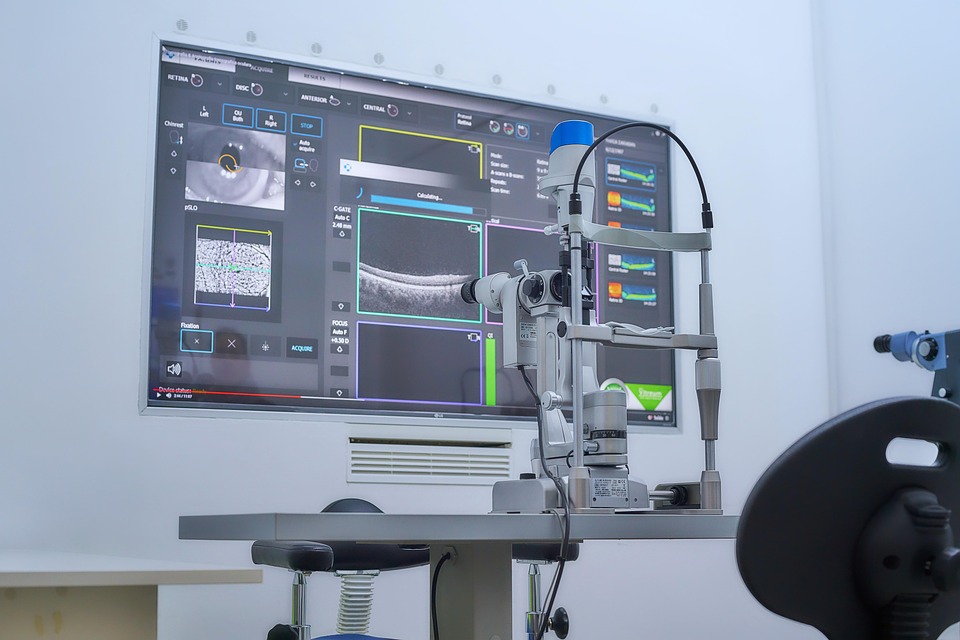
Embarking on the pregnancy journey is one of the most profound experiences of a woman’s life. It can also be one of the most overwhelming, especially when it comes to finding the right clinic for your needs. With countless options available, choosing a facility that aligns with your values, preferences, and medical requirements is crucial. This article dives into essential tips for selecting the best clinic for your pregnancy journey, so you can focus on what truly matters—bringing your baby into the world. Understand Your Unique Needs The first step in finding a suitable clinic is to understand your unique needs and preferences. Consider the following factors: Your Health History: are there any pre-existing conditions such as diabetes, hypertension, or previous pregnancy complications that may require specialized care? Your Birth Plan: are you looking for a specific type of birth experience, such as home birth, water birth, or an epidural? Your Support System: will you have a partner, family member, or friend accompanying you during appointments? Location: how far are you willing to travel for prenatal visits and the delivery? Research Clinics in Your Area Once you have a grasp of your needs, it’s time to start researching clinics. Here are several methods to gather information: Online Reviews: Websites like Healthgrades and Yelp can offer insights from other mothers about their experiences. Social Media: Join local parenting or pregnancy groups on platforms like Facebook to get personal recommendations. Ask Your Network: Friends, relatives, and coworkers who have recently gone through pregnancy can provide valuable insights about their experiences. Assess the Clinic’s Credentials After narrowing down your list, it’s vital to evaluate the clinics’ credentials. Consider these items: Accreditation: Ensure that the clinic is accredited and complies with state and national maternal care standards. Experience: Look into the clinic’s years of operation and the experience of the healthcare providers. Specialties: Some clinics may specialize in high-risk pregnancies or specific treatments. Make sure they align with your needs. Meet the Providers Once you’ve identified potential clinics, schedule consultations with the healthcare providers. Here are some questions to ask: What is your philosophy on pregnancy and childbirth? Understanding their approach can help you gauge how well it aligns with your preferences. What is your approach to prenatal care and monitoring during labor? This will give you insight into their methods and practices. How do you handle complications during pregnancy or labor? This is crucial for peace of mind. The most important aspect is to ensure that you feel comfortable and supported in the provider’s care. Trust your instincts—if something feels off, don’t hesitate to keep searching. Evaluate the Clinic’s Facilities Visiting the clinic and evaluating its facilities is another essential step: Cleanliness: A well-maintained facility is indicative of how seriously the clinic takes patient care. Comfort: The waiting room and examination rooms should be welcoming and comfortable. Equipment: Make sure the clinic is equipped with modern technology and offers the necessary prenatal imaging services. Check for Insurance Compatibility Before making your final decision, verify whether the clinic accepts your health insurance. Contact your insurance provider to understand your coverage options and any out-of-pocket expenses you may incur. Many clinics have financial advisors who can help you navigate these details. Consider the Support System Your experience at a clinic can greatly be influenced by its support system. Check if the clinic offers: Childbirth Education Classes: These can prepare you for your labor and postpartum experience. Breastfeeding Support: Look for clinics with lactation consultants available. Emotional Support: Postpartum mental health resources are crucial for new mothers. Trust Your Gut Finally, trust your gut feeling. The right clinic for someone else may not necessarily align with your vision for your pregnancy journey. If you feel at ease in an environment, that’s often a sign that it’s a good fit for you. If something doesn’t feel right—even if everything checks out on paper—it’s okay to look elsewhere. Conclusion Your pregnancy journey begins long before you hold your baby in your arms. Choosing the right clinic can make a significant difference in your experience, providing you peace of mind and support during this transformative time in your life. Take the time to research, ask questions, and trust your instincts, enabling you to embark on this amazing journey feeling empowered and well-prepared.
Navigating Your Pregnancy: A Comprehensive Guide to Choosing the Right Clinic

Embarking on the journey of pregnancy can be both an exhilarating and overwhelming experience. One of the first key decisions you’ll face is choosing the right clinic for your prenatal care. With a plethora of options available, understanding what to look for can greatly impact your pregnancy experience. This comprehensive guide aims to equip you with the vital information you need to make an informed choice. Understanding Your Options When it comes to prenatal care, you typically have several choices: Obstetricians: Specializing in pregnancy and childbirth, obstetricians provide comprehensive care throughout your pregnancy. Midwives: Midwives offer a more personalized approach to prenatal care and focus on natural childbirth while providing essential medical support. Family Physicians: Some family doctors provide prenatal care and can deliver your baby, making them a convenient option for those who prefer continuity of care. Hospital Clinics: Many hospitals have maternal-fetal medicine specialists who cater to high-risk pregnancies. Factors to Consider Choosing the right clinic involves evaluating several essential factors. Each aspect can significantly influence your pregnancy journey. Location Geographical convenience is a critical factor. Selecting a clinic close to home or work can ease the stress of frequent appointments. Consider the availability of public transport and parking options to ensure your visits are as hassle-free as possible. Reputation Researching clinic reputation can provide insight into the quality of care. Online reviews, opinions from family and friends, and healthcare rankings can serve as valuable resources. Look for clinics with positive feedback regarding patient care, communication, and professionalism. Services Offered Different clinics may offer various services. For instance, consider the following: Ultrasound services Genetic testing and screening Labor and delivery options Postpartum care Ensure the clinic you choose offers services that align with your pregnancy needs and preferences. Staff Experience and Qualifications The qualifications of the healthcare providers are of utmost importance. Verify their credentials, years of experience, and areas of specialization. Don’t hesitate to ask questions during your initial visit to gauge their expertise and compatibility with your expectations. Philosophy of Care Consider the clinic’s approach to prenatal care. If you’re interested in a natural birth, for instance, ensure the clinic supports this philosophy. Some clinics may lean towards more medical intervention, while others may prioritize holistic approaches. Understanding the clinic’s stance can help prevent discrepancies between your expectations and their practices. Patient-Provider Relationship The connection between you and your healthcare provider can significantly influence your comfort and satisfaction throughout your pregnancy. During initial consultations, assess whether you feel listened to and respected. Open communication is essential for a positive experience. Making the Decision After evaluating the various factors, take some time to reflect on your options. Here are a few steps to help solidify your decision: Visit Multiple Clinics: Don’t settle after the first visit. Available time for consultations can help you make a more informed decision. Ask Questions: Prepare a list of questions you have about your care, including options for labor, pain management, and postpartum support. Trust Your Instincts: If something feels off, it’s okay to continue searching until you find the right fit. First Visit Essentials Once you’ve chosen a clinic, you’ll likely have an initial visit to discuss your medical history and any concerns. Bring the following: A list of current medications and supplements Your medical history Any questions or concerns Your first appointment may include a physical exam, blood tests, and possibly an ultrasound, depending on where you are in your pregnancy. Continuing Care Once you’ve made your choice, remember that regular check-ups are vital. These visits ensure that both you and your baby are healthy, but they also provide opportunities to discuss your changing needs as pregnancy progresses. In Conclusion Choosing the right clinic for your pregnancy is a crucial step in ensuring a healthy and fulfilling journey to motherhood. Invest the necessary time and effort to research, visit, and evaluate your options. By thoughtfully considering the factors outlined in this guide, you can make an informed decision that aligns with your values, lifestyle, and medical needs. Your pregnancy should be a time of joy and anticipation, so ensure you establish a supportive care team that shares your vision for childbirth and beyond.