

Streamlining Ultrasound Appointments: What You Need to Know

Ultrasound imaging has become an integral part of modern healthcare, serving various purposes ranging from obstetric assessments to cardiac evaluations. As the demand for ultrasound services grows, both healthcare professionals and patients are looking for ways to streamline the appointment process. But what does it mean to ‘streamline’ an ultrasound appointment, and how can technology and efficient practices improve patient experiences? This article explores the methods and technologies that are reshaping how ultrasound appointments are scheduled, managed, and executed. The Importance of Efficient Ultrasound Appointments In a healthcare system where time is a precious commodity, efficient ultrasound appointments can lead to improved patient outcomes. According to a survey conducted by the American College of Radiology, 40% of patients reported anxiety about long wait times before their ultrasound appointments. Inefficiencies can lead to missed diagnostic opportunities, increased patient stress, and ultimately, delayed treatments. Thus, streamlining ultrasound appointments is not merely a bureaucratic concern but a matter of patient welfare. Technological Innovations Revolutionizing Appointment Management Advanced technology has transformed many aspects of healthcare, including the organization of ultrasound appointments. Here are some key innovations currently in play: Telemedicine: The rise of virtual consultations has allowed patients to meet with their healthcare providers online, streamlining the referral process. This immediate interaction enables the doctor to explain the necessary procedures and any preparatory steps, reducing confusion later on. Online Booking Systems: Many healthcare facilities now offer user-friendly online appointment scheduling. Patients can easily select available time slots that fit their schedules, minimizing back-and-forth calls that can often delay the booking process. Automated Reminders: Automated text and email reminders can substantially reduce no-show rates. Studies indicate that text message reminders can cut missed appointments by up to 30%—a significant efficiency boost for healthcare providers. Optimizing the Visit Experience Once the appointment is scheduled, the focus shifts to ensuring a smooth visit for the patient. Here are some best practices being adopted by medical facilities: Streamlined Check-in Processes: Utilizing tablets or self-service kiosks can make check-in more efficient. This minimizes waiting times and allows staff to focus on patient care instead of paperwork. Pre-Appointment Education: Sending educational materials via email or a dedicated app can inform patients about what to expect during their ultrasound. Understanding the procedure can alleviate anxiety and improve patient cooperation. Sonographer Training: The quality of the ultrasound experience often hinges on the person administering it. Facilities that invest in comprehensive training for sonographers report higher patient satisfaction and efficiency in conducting scans. Collaboration with Healthcare Providers Streamlining ultrasound appointments also involves optimizing the relationship between healthcare providers. Open lines of communication between primary care providers, radiologists, and sonographers can lead to better-prepared patients and more timely diagnoses. For instance, when referrers provide detailed information about the clinical indications for the ultrasound, radiologists can select appropriate protocols beforehand, thereby minimizing redundant scans. This collaborative approach also encourages interdisciplinary discussions that can expedite decision-making regarding further diagnostics or treatment plans. Challenges in Streamlining Procedures Despite the proactive measures being adopted to streamline ultrasound appointments, several challenges remain: Limited Resources: Many healthcare facilities may not have the financial or human resources to implement advanced technologies or staff training protocols, resulting in bottlenecks in the appointment process. Patient Demographics: Different patient populations may have varying levels of comfort with technology. Ensuring that older adults and less tech-savvy patients can effectively engage with online systems poses a challenge. Insurance Procedures: The insurance approval process can cause delays that are entirely outside the control of the facility. Streamlining the pre-authorization requirements can significantly affect appointment efficiency. Patient-Centric Approaches Increasingly, healthcare facilities are adopting a patient-centric approach that places the needs and experiences of patients at the forefront. This shift involves: Flexible Scheduling: Offering extended hours or weekend appointments to accommodate different work schedules can significantly enhance patient satisfaction. Feedback Mechanisms: Patient surveys post-appointment allow facilities to identify areas for improvement rapidly. Implementing changes based on real-time feedback helps create an ongoing loop of optimization. The Future of Ultrasound Appointment Management The momentum toward streamlining ultrasound appointments is expected to continue as technology progresses and patient needs evolve. Emerging technologies like artificial intelligence (AI) could further aid in scheduling and diagnostic processes, potentially analyzing patient data to optimize appointment times based on medical necessity. Moreover, as telehealth continues to gain traction, the integration of remote monitoring tools that can work in conjunction with ultrasound services may redefine the way patients interact with healthcare providers. By staying adaptable, medical facilities can ensure they meet the ever-changing demands of their patients. Conclusion Streamlining ultrasound appointments is a multifaceted endeavor that combines technology, efficient practices, and patient-centered care. By leveraging advancements in telehealth and online scheduling, optimizing check-in processes, and fostering collaboration among healthcare providers, facilities can create a more efficient and satisfying experience for patients. As we look to the future, it is clear that a focus on efficiency will not only improve operational metrics but also enhance patient outcomes, making the investment worthwhile for healthcare providers everywhere. © 2023 Healthcare Insights. All rights reserved.
Your Pregnancy Journey Starts Here: Essential Tips for Finding the Best Clinic
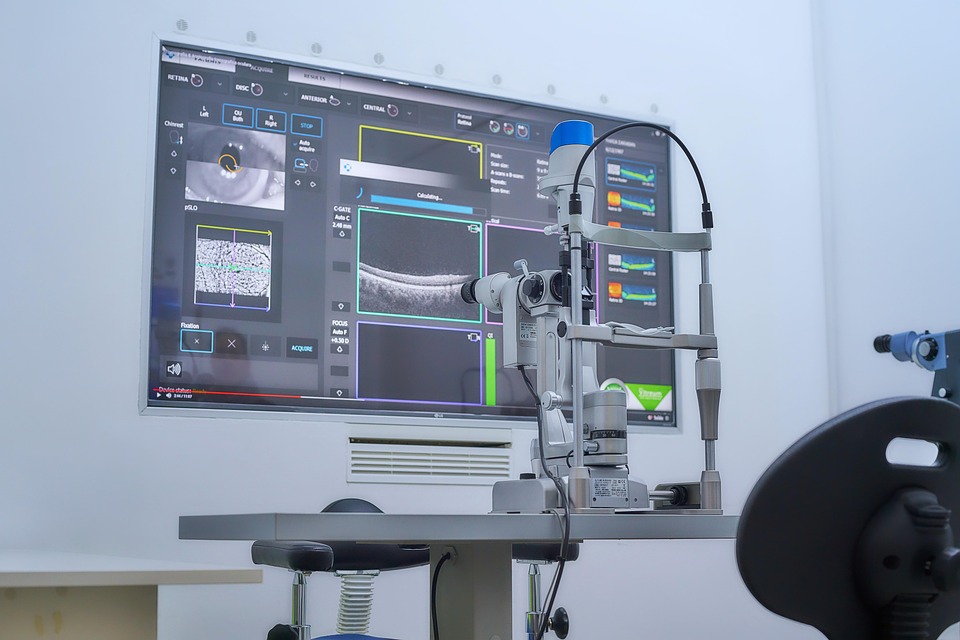
Embarking on the pregnancy journey is one of the most profound experiences of a woman’s life. It can also be one of the most overwhelming, especially when it comes to finding the right clinic for your needs. With countless options available, choosing a facility that aligns with your values, preferences, and medical requirements is crucial. This article dives into essential tips for selecting the best clinic for your pregnancy journey, so you can focus on what truly matters—bringing your baby into the world. Understand Your Unique Needs The first step in finding a suitable clinic is to understand your unique needs and preferences. Consider the following factors: Your Health History: are there any pre-existing conditions such as diabetes, hypertension, or previous pregnancy complications that may require specialized care? Your Birth Plan: are you looking for a specific type of birth experience, such as home birth, water birth, or an epidural? Your Support System: will you have a partner, family member, or friend accompanying you during appointments? Location: how far are you willing to travel for prenatal visits and the delivery? Research Clinics in Your Area Once you have a grasp of your needs, it’s time to start researching clinics. Here are several methods to gather information: Online Reviews: Websites like Healthgrades and Yelp can offer insights from other mothers about their experiences. Social Media: Join local parenting or pregnancy groups on platforms like Facebook to get personal recommendations. Ask Your Network: Friends, relatives, and coworkers who have recently gone through pregnancy can provide valuable insights about their experiences. Assess the Clinic’s Credentials After narrowing down your list, it’s vital to evaluate the clinics’ credentials. Consider these items: Accreditation: Ensure that the clinic is accredited and complies with state and national maternal care standards. Experience: Look into the clinic’s years of operation and the experience of the healthcare providers. Specialties: Some clinics may specialize in high-risk pregnancies or specific treatments. Make sure they align with your needs. Meet the Providers Once you’ve identified potential clinics, schedule consultations with the healthcare providers. Here are some questions to ask: What is your philosophy on pregnancy and childbirth? Understanding their approach can help you gauge how well it aligns with your preferences. What is your approach to prenatal care and monitoring during labor? This will give you insight into their methods and practices. How do you handle complications during pregnancy or labor? This is crucial for peace of mind. The most important aspect is to ensure that you feel comfortable and supported in the provider’s care. Trust your instincts—if something feels off, don’t hesitate to keep searching. Evaluate the Clinic’s Facilities Visiting the clinic and evaluating its facilities is another essential step: Cleanliness: A well-maintained facility is indicative of how seriously the clinic takes patient care. Comfort: The waiting room and examination rooms should be welcoming and comfortable. Equipment: Make sure the clinic is equipped with modern technology and offers the necessary prenatal imaging services. Check for Insurance Compatibility Before making your final decision, verify whether the clinic accepts your health insurance. Contact your insurance provider to understand your coverage options and any out-of-pocket expenses you may incur. Many clinics have financial advisors who can help you navigate these details. Consider the Support System Your experience at a clinic can greatly be influenced by its support system. Check if the clinic offers: Childbirth Education Classes: These can prepare you for your labor and postpartum experience. Breastfeeding Support: Look for clinics with lactation consultants available. Emotional Support: Postpartum mental health resources are crucial for new mothers. Trust Your Gut Finally, trust your gut feeling. The right clinic for someone else may not necessarily align with your vision for your pregnancy journey. If you feel at ease in an environment, that’s often a sign that it’s a good fit for you. If something doesn’t feel right—even if everything checks out on paper—it’s okay to look elsewhere. Conclusion Your pregnancy journey begins long before you hold your baby in your arms. Choosing the right clinic can make a significant difference in your experience, providing you peace of mind and support during this transformative time in your life. Take the time to research, ask questions, and trust your instincts, enabling you to embark on this amazing journey feeling empowered and well-prepared.
“Everything You Need to Know About Booking Your Ultrasound Appointment”

Understanding Ultrasounds Ultrasound imaging, also known as sonography, is a non-invasive medical test that uses high-frequency sound waves to create images of organs and structures inside the body. Most commonly associated with pregnancy, ultrasounds are used to view the heart, blood vessels, kidneys, and other internal organs, aiding in diagnosis, monitoring, and treatment planning. When to Book an Ultrasound Booking an ultrasound typically stems from a healthcare provider’s recommendation based on symptoms or routine screenings. Common reasons for an ultrasound include: Determining the gestational age and health of a fetus during pregnancy Investigating abdominal or pelvic pain Assessing conditions like gallstones, kidney stones, or liver diseases Monitoring blood flow and vascular health Finding an Ultrasound Facility Once you have a referral from your physician, the next step is selecting a facility. Consider the following: Type of Facility: Ultrasounds can be conducted in hospitals, imaging centers, or clinics. Verify that the facility is accredited and meets safety standards. Insurance Considerations: Call your insurance provider to confirm which facilities are in-network, as this will impact your costs. Reviews and Ratings: Look for patient reviews online or ask for recommendations from your healthcare provider. Booking Your Appointment Once you have selected a facility, it’s time to book your appointment. Many facilities offer online scheduling, but you may also call directly to secure a time. When booking, here are some key points to consider: Information to Have Ready Be prepared with the following information when booking your appointment: Your full name and date of birth Your physician’s name and contact information Details about your condition or reason for the ultrasound Your insurance information, including policy number Timing of Your Appointment The timing can vary greatly depending on the type of ultrasound: Routine Pregnancy Ultrasound: Ideally scheduled around 8-14 weeks, or 18-20 weeks for detailed anatomy scans. Emergency Situations: For acute symptoms, an ultrasound may need to be arranged immediately. Preparing for Your Ultrasound How you prepare for your ultrasound largely depends on the type of examination you’ll undergo. Here are some general tips: Common Preparation Guidelines Fasting: For some abdominal ultrasounds, fasting for 6-8 hours prior may be required. Full Bladder Requirement: For pelvic ultrasounds, drinking water beforehand to fill your bladder can improve image quality. Follow specific instructions given by the facility. Dressing Comfortably: Wear comfortable clothing and avoid accessories that may need to be removed. What to Expect During the Procedure Arriving at the facility, you’ll check in and may need to fill out some paperwork. A technician will escort you to the ultrasound room where the procedure will take place. Here’s what you can expect: Ultrasound Process The process is generally straightforward: You’ll be asked to lie down on an exam table. A translucent gel will be applied to the area being examined to help transmit sound waves. A transducer will then be moved over the area, capturing images that will be displayed on a monitor. The procedure typically lasts 30 to 60 minutes, depending on complexity. After the Appointment Once the ultrasound is complete, the technician will clean off the gel and allow you to dress. Most facilities will provide results directly to your physician, who can discuss findings with you during your next visit. If immediate follow-up is necessary, the facility will often inform you before you leave. Understanding Your Results Receiving ultrasound results can generate anxiety, especially if findings are unexpected: Normal Findings: No abnormalities will be reported, and routine health monitoring may continue. Abnormal Findings: Additional testing or monitoring may be recommended, which could involve further imaging or biopsies. Conclusion Booking an ultrasound appointment may seem daunting, but understanding the process can ease any apprehensions. By knowing the necessary preparations and what to anticipate, you’ll be better equipped for your appointment. Always remember that open communication with your healthcare provider can alleviate concerns and guide you through any necessary next steps.
Prenatal Imaging 101: What Every Parent Should Know

As the journey into parenthood begins, the anticipation intertwines with a myriad of questions, particularly concerning the health and development of the unborn child. One essential tool at the disposal of healthcare providers, and a source of excitement for parents, is prenatal imaging. These technologies offer a window into the womb, providing critical information while also fostering a deeper bond between parents and their developing baby. The Importance of Prenatal Imaging Prenatal imaging is not merely a chance to catch a glimpse of the baby; it plays an integral role in monitoring the health of both the infant and the mother. With advancements in technology, ultrasonic imaging has become more sophisticated, allowing for detailed examinations and timely interventions if necessary. Studies show that high-quality prenatal imaging can help detect congenital abnormalities, assess fetal growth, and monitor the amniotic fluid levels surrounding the baby. Furthermore, these images can assist in planning the method of delivery and preparing healthcare providers for any complications that may arise during labor. Types of Prenatal Imaging There are several types of prenatal imaging techniques available, each with distinct advantages and purposes: Ultrasound: The most commonly used imaging technique during pregnancy, ultrasound employs sound waves to create images of the fetus. It is typically performed at various stages of pregnancy to monitor development. 3D and 4D Ultrasound: These advanced forms of ultrasound provide more dimensional images, allowing parents to see the baby’s facial features and movements in real-time. The 4D ultrasound shows live movements, creating a more lifelike experience. Amniocentesis: While primarily a diagnostic procedure, amniocentesis involves the use of ultrasound to guide a needle into the amniotic sac to collect fluid for genetic testing. This helps detect chromosomal abnormalities. Magnetic Resonance Imaging (MRI): Though less common than ultrasound, MRI can be used for detailed fetal imaging, especially in high-risk pregnancies or when abnormalities are suspected. When are Ultrasounds Performed? The timing and frequency of ultrasound exams depend on various factors, including maternal health and the standard protocol of the healthcare provider. Typically, the following schedule is observed: First Trimester (6-14 weeks): A dating ultrasound is often performed to confirm the pregnancy’s viability and estimate the due date. Second Trimester (18-20 weeks): A comprehensive anatomy scan is conducted to evaluate the baby’s development and check for any abnormalities. Third Trimester (28-36 weeks): Additional ultrasounds may occur to monitor growth and placental positioning, especially if complications arise. The Risks and Limitations While prenatal imaging has significantly improved maternal-fetal healthcare, it is crucial for expectant parents to understand the potential risks and limitations associated with these procedures. For instance, while ultrasound is considered safe, excessive exposure should be avoided. The use of MRI is rare in pregnancy due to the limited understanding of its long-term effects on fetuses, though it can be helpful in specific cases. Moreover, any imaging technique carries an inherent risk of delivering inaccurate results, which can lead to unnecessary anxiety or, conversely, complacency. Therefore, follow-up consultations and discussions with healthcare providers are essential to interpret the findings accurately. Emotional Impact on Expecting Parents Prenatal imaging can evoke a myriad of emotions, from joy and excitement to anxiety and fear. For most parents, seeing their baby on screen for the first time brings an immeasurable sense of connection. However, there may also be apprehensions about possible complications as a result of imaging findings. The key is to approach these images with an understanding of their purpose and limitations. Open communication with healthcare providers can assist parents in managing their emotions effectively and deriving the most meaningful insights from each imaging session. The Future of Prenatal Imaging The landscape of prenatal imaging is continuously evolving. Emerging technologies, such as AI-assisted imaging and advancements in genetic testing, are set to revolutionize how care is administered. These innovations promise not only more accurate assessments but also greater accessibility to diverse populations. As we look to the future, one thing remains clear: prenatal imaging will continue to play a pivotal role in promoting the health and well-being of both mothers and their babies. It’s essential for expecting parents to stay informed and engaged, ensuring a positive pregnancy experience that prioritizes not just health outcomes, but emotional and psychological support as well. Conclusion Prenatal imaging is a critical aspect of modern obstetric care that not only provides necessary health information but also fosters the deeply emotional bond between parents and their unborn child. Being informed about the types, benefits, and limitations of imaging allows parents to be active participants in their healthcare journey. As technology advances, so too does the promise of a healthier start for the next generation.
Never Miss a Visit: The Essential Role of Appointment Reminders in Healthcare

Understanding the Challenge: The Impact of Missed Appointments In the bustling world of healthcare, missed appointments are not just a nuisance; they represent a significant barrier to effective patient care. According to the American Hospital Association, missed appointments can lead to an estimated loss of 30% in revenue for healthcare providers. Moreover, when patients do not attend their scheduled visits, they risk deteriorating health and a cycle of delayed treatments. Many patients juggle busy schedules that may result in unintentional forgetfulness. In fact, a study published in the Journal of Medical Systems noted that nearly 20% of patients forget about their scheduled appointments, highlighting a critical need for systems that can help mitigate this issue. The Solution: Appointment Reminders Enter appointment reminders—an essential tool that bridges the communication gap between healthcare providers and patients. These reminders can take various forms, including phone calls, SMS texts, emails, or even mobile app notifications. By leveraging these multiple channels, healthcare systems aim to improve patient attendance and satisfaction. Types of Appointment Reminders Phone Calls: Traditional reminders often involve a staff member calling the patient a few days before an appointment. While this personalized approach can be effective, it is also time-consuming and not scalable for busy medical offices. Text Messages: With the growth of mobile technology, SMS reminders have skyrocketed in popularity, offering a quick and efficient way to reach patients. Email Notifications: Email reminders allow for more detailed communication, including pre-visit instructions or information about what to expect during the appointment. Mobile Apps: Many healthcare providers now offer patient portals through apps that feature appointment scheduling and reminders, further enhancing user experience. The Evidence: Improved Attendance Rates The effectiveness of appointment reminders is backed by numerous studies. Research conducted at the University of Connecticut showed that sending SMS reminders increased appointment attendance rates by 30%. This finding was corroborated by a systematic review in the American Journal of Managed Care, which affirmed the positive impact that appointment reminders have on reducing no-show rates and improving overall patient compliance. In a simulated environment, healthcare providers found that having a reminder system in place not only increased attendance but also led to better follow-up for chronic disease management. Patients who received reminders were also more likely to show interest in preventive services such as vaccinations and screenings. Personalizing the Patient Experience One of the most significant benefits of appointment reminders is their ability to personalize the patient experience. By tailoring the reminders based on patient preferences and medical history, healthcare providers can create a more engaging and effective communication strategy. For example, a patient who often forgets appointments could receive a series of reminders, while a patient with a chronic condition might require more detailed instructions in their notifications. Personalization is not just about message content; it also extends to the timing and medium through which patients are contacted. Understanding each patient’s preferences can significantly enhance engagement and compliance. Challenges and Considerations While the benefits of appointment reminders are clear, implementing an effective reminder system poses challenges. Privacy concerns are paramount; healthcare providers must ensure they are compliant with regulations such as HIPAA when sending reminders. Since these communications may contain sensitive health information, it is crucial to use secure platforms and obtain patient consent. Furthermore, the appropriateness of certain types of reminders can vary. Not every patient may prefer text messages over phone calls, and some individuals may not have regular access to email or SMS. A one-size-fits-all approach can lead to disenchantment rather than satisfaction. Embracing Technology: The Future of Appointment Reminders As technology continues to evolve, so too do the methods of sending appointment reminders. Artificial Intelligence (AI) and machine learning are beginning to play a role in how healthcare providers communicate with patients. These systems can analyze patient behavior, optimize communication strategies, and even predict which patients are at a higher risk of missing appointments. Moreover, there is a rising trend toward integrating appointment reminders with telehealth services, enabling patients to receive reminders not just for in-person visits but also for virtual consultations. This adaptability can greatly enhance the patient experience, especially in light of the changes brought about by the COVID-19 pandemic. Conclusion: A Win-Win Solution The implementation of appointment reminders has shown to be a mutually beneficial strategy for healthcare providers and patients alike. By reducing no-show rates, improving patient engagement, and fostering better health outcomes, these reminders serve as an essential feature in modern healthcare. As the emphasis on patient-centered care continues to grow, healthcare systems must invest in robust reminder technologies that not only enhance communication but also build trust and foster long-lasting relationships with patients. Remembering to make that visit may be a small step—but it can lead to significant strides in health and well-being. “Appointment reminders are not just a tool; they are a lifeline connecting patients to their health and healthcare providers.” – Dr. Jane Smith, Healthcare Systems Analyst Source: American Hospital Association, Journal of Medical Systems, American Journal of Managed Care
Ultrasound Appointments Made Easy: Your Ultimate Booking Guide

Understanding Ultrasound Imaging Ultrasound imaging, or sonography, is a vital tool employed to visualize organs and structures inside the body using sound waves. This non-invasive diagnostic method has revolutionized healthcare, allowing for safe prenatal monitoring, diagnosis of conditions, and guidance for various procedures. As awareness of its benefits continues to grow, so does the demand for seamless booking processes. The Importance of Appointment Booking Scheduling an ultrasound appointment should be straightforward, yet many patients face confusion and anxiety throughout the process. Whether it involves managing insurance details, ensuring the appointment fits within their schedules, or understanding preparation requirements, a complicated booking process can add unnecessary stress to patients already navigating health challenges. Streamlined booking can enhance the overall patient experience significantly. With the rise of digital health solutions, many healthcare providers now offer online booking systems, making it easier to schedule necessary appointments with just a few clicks. Your Ultimate Booking Guide 1. Researching Providers When seeking an ultrasound appointment, it is crucial to ensure you are choosing a reputable provider. Look for clinics and hospitals that specialize in ultrasound services and have certified and experienced technicians. Online reviews and testimonials can provide crucial insights into the quality of care and service you can expect. 2. Understanding Your Insurance Coverage One of the common hurdles patients face is navigating insurance. Before booking your appointment, check with your insurance provider to understand what is covered. Many providers have specific protocols for ultrasound services. Becoming informed about costs, copays, and necessary referrals can ease the booking process considerably. 3. Preparing for Your Appointment Depending on the type of ultrasound you will undergo, preparation may vary. For instance, some ultrasounds, like those done during pregnancy, may require a full bladder, while others may necessitate fasting. Accurate preparation minimizes the chance of needing a second visit, making the booking process more efficient. 4. Utilizing Online Booking Systems Many clinics offer online scheduling tools, enabling patients to book appointments directly on their websites. Before utilizing these, ensure you have all necessary personal and insurance information at hand. Most systems allow for selecting specific time slots based on availability and can send you reminders via email or text. Recent advancements in telehealth are also paving the way for virtual consultations related to ultrasound services. Depending on your situation, speaking with a healthcare professional via video chat might be suitable, helping you receive necessary guidance before booking your appointment. 5. Confirming Your Appointment Once you have successfully booked your appointment, it is essential to confirm the date and time, either via an automated reminder or by contacting the clinic directly. This step ensures that you won’t miss your appointment due to misunderstandings or miscommunications. Technology’s Role in Making Booking Easier The emergence of technology has made booking ultrasound appointments more accessible than ever. Mobile applications and websites provide a platform where patients can manage their appointments, check results, and even communicate with healthcare providers. Automated reminder notifications help ensure patients arrive prepared and on time for their ultrasounds. Additionally, some hospitals are integrating artificial intelligence into their booking systems, allowing patients to ask questions and receive guidance through chatbots. This integration enhances user experience and minimizes wait times by providing immediate assistance. The Future of Booking Processes Looking ahead, the booking process for ultrasound appointments is likely to evolve further. The integration of advanced AI, coupled with more personalized patient portals, may provide individual recommendations based on health history and preferences. Furthermore, the rise of telehealth may allow for remote examinations in specific scenarios, expanding access for many patients, especially those in rural or underserved areas. As healthcare continues to embrace technological advancements, the emphasis on patient-centric care will be a driving force. Future developments will likely focus on enhancing efficiency in appointment scheduling while also personalizing the experience to meet individual needs effectively. Conclusion Navigating the process of booking an ultrasound appointment can seem daunting, yet understanding the steps and utilizing available resources makes it significantly easier. With informed research, streamlined online systems, and proactive communication with healthcare providers, patients can alleviate the stress associated with appointment scheduling. As technology continues to improve, patients are poised to benefit from more efficient, personalized, and user-friendly booking experiences in the future. Stay informed and proactive in your healthcare journey, and remember that ease of access to medical imaging services is an essential component of modern healthcare.
Maximize Your Pregnancy Scan Experience: Expert Advice You Need to Know

Pregnancy scans, or ultrasounds, are vital tools for monitoring the health and development of the fetus throughout pregnancy. As expectant parents prepare for this milestone, it’s essential to understand not only the technical aspects of ultrasounds but also how to maximize the experience. The Different Types of Pregnancy Scans Most women undergo several types of scans during their pregnancy, typically including an early scan for dating, a mid-pregnancy anomaly scan, and additional scans as needed. Here’s a quick breakdown: Dating Scan: Usually performed between 6-10 weeks, this scan confirms the pregnancy and estimates the due date. Mid-Pregnancy Scan: Conducted around 18-21 weeks, this detailed scan assesses fetal health and checks anatomical landmarks. Growth Scans: As pregnancy progresses, additional ultrasounds may be necessary to monitor growth patterns. Preparing for Your Scan: Expert Tips 1. Know What to Expect Before the scan, familiarize yourself with the procedure. Many providers offer informational resources. “The more you know, the less anxious you may feel,” suggests Dr. Sarah Jacobson, an obstetrician and gynecologist with over 15 years of experience. 2. Drink Water Beforehand For early scans, a full bladder can provide clearer images. Drink water about an hour before your appointment to ensure this. However, for later scans, you may not need to follow this advice, so it’s best to clarify with your healthcare provider. 3. Arrange for Support Whether it’s your partner, a family member, or a friend, having someone supportive with you can significantly enhance the experience. They can share in the excitement and help relieve potential stress. During the Scan: Making the Most of the Moment 1. Ask Questions Don’t hesitate to ask your technician or doctor questions during the scan. Understanding what you are seeing and why certain procedures are being performed can make the experience more meaningful. 2. Capture the Memories Many clinics provide photos or videos of your scan. Ask if you can record the session to cherish this special moment. “Each scan is a unique snapshot of your baby’s development, so preserving those images is essential,” says Dr. Jacobson. 3. Relax and Enjoy Although it may be difficult, try to relax. Practicing deep breathing exercises can help. The technician is trained to ensure your comfort, and their assurance can help alleviate anxiety. Post-Scan: What Comes Next? 1. Review Findings with Your Doctor After the scan, schedule a follow-up appointment with your doctor to discuss your results. Understand what they mean for your pregnancy and any subsequent steps you may need to take. 2. Share the Experience Consider sharing the experience with family and friends, especially if you received good news. “Celebrating milestones can create a sense of community and support,” says certified family counselor Linda Green. Common Concerns: Addressing Anxiety It’s completely normal to feel anxious about scans, especially if it’s your first pregnancy. Feelings of anticipation and worry about potential findings can be overwhelming. Here are ways to mitigate anxiety: Practice mindfulness or meditation before your appointment. Join a prenatal support group to share experiences and emotions. Seek reassurance from your healthcare provider about the process and outcomes. Conclusion: Your Journey Starts Here Pregnancy scans are not just medical assessments; they are profound emotional experiences that allow parents to connect with their baby. By being well-informed and prepared, you can maximize the joy of this milestone. The key takeaway from experts is simple: engage with the process, ask questions, and make memories that will last a lifetime. “Each scan is a unique snapshot of your baby’s development, so preserving those images is essential.” – Dr. Sarah Jacobson
Beyond the Image: The Critical Role of Ultrasound in Modern Diagnostics

Ultrasound technology has long been synonymous with prenatal imaging, but its applications and importance in modern diagnostics extend far beyond capturing the first images of a developing fetus. As a non-invasive imaging modality, ultrasound has carved a vital niche in diverse medical fields, including cardiology, urology, and musculoskeletal medicine. In this article, we delve into the transformative role of ultrasound in diagnostics, examining its technological advancements, clinical applications, challenges, and future potential. Understanding Ultrasound Technology Ultrasound, or sonography, utilizes high-frequency sound waves to create images of structures within the body. The process begins when a transducer emits sound waves, which bounce off tissues and organs. These echoes are then converted into detailed images that clinicians can analyze. Unlike other imaging techniques, such as X-rays or CT scans, ultrasound does not involve ionizing radiation, making it a safer option for many patients. Advancements in Ultrasound Technology In recent years, ultrasound technology has experienced significant advancements that have enhanced its diagnostic capabilities. Innovations such as 3D and 4D imaging have provided clearer and more comprehensive views of anatomical structures. Additionally, portable ultrasound devices have emerged, allowing for bedside evaluations in emergency situations, rural areas, or remote locations where access to conventional imaging facilities may be limited. “Ultrasound technology not only revolutionizes how we visualize the body but also democratizes access to essential diagnostics, especially in underserved communities.” – Dr. Sarah Kim, Radiologist Clinical Applications of Ultrasound Obstetrics and Gynecology Ultrasound’s most recognized application lies in obstetrics and gynecology. It plays a crucial role in monitoring fetal development, assessing gestational age, and detecting potential complications. For expectant parents, the opportunity to see their unborn child in real-time can be an emotionally enriching experience, but the implications of ultrasound extend to identifying conditions like ectopic pregnancies or congenital anomalies early on. Cardiology In the realm of cardiology, echocardiography is a specialized form of ultrasound utilized to evaluate heart functions and structures. It allows clinicians to visualize blood flow, measure cardiac output, and detect abnormalities such as valvular diseases or cardiomyopathies. Advanced imaging techniques like Doppler ultrasound provide valuable insights into blood flow dynamics, aiding in timely diagnoses and management of heart conditions. Urology and Abdominal Imaging Ultrasound has also gained traction in urology, particularly for assessing renal diseases. Its effectiveness in detecting kidney stones, tumors, and cysts has made it an indispensable tool in urologic diagnostics. Furthermore, abdominal ultrasound is commonly employed to evaluate organs such as the liver, gallbladder, and pancreas, offering critical insights without the need for invasive procedures. Musculoskeletal Applications The musculoskeletal realm has embraced ultrasound for its abilities to visualize soft tissue injuries, joint disorders, and vascular conditions. For sports medicine professionals, real-time imaging assists in guiding injections and minimally invasive procedures, promoting better patient outcomes with increased accuracy and reduced downtime. Benefits of Ultrasound in Diagnostics One of the foremost advantages of ultrasound is its safety profile. The absence of ionizing radiation makes it suitable for various populations, including children and pregnant women. Furthermore, ultrasound is often cost-effective and widely accessible, enabling prompt decision-making in clinical settings. Another pivotal advantage is its real-time imaging capability. This allows for immediate feedback during surgical or interventional procedures, enhancing precision and safety. For practitioners, the ability to visualize anatomy and pathology at the bedside can improve clinical assessments and lead to quicker diagnoses. Challenges and Limitations Despite its myriad benefits, ultrasound is not without limitations. Image quality can be compromised by factors like obesity or excessive gas in the intestines, affecting the visualization of deeper structures. Additionally, operator dependency is a significant concern, as the accuracy of readings can vary widely based on the skill and experience of the performing clinician. Regulatory standards and inadequate training also pose challenges in ensuring consistent quality across sites. Addressing these issues is essential to maintain the integrity of ultrasound diagnostics and optimize patient care. The Future of Ultrasound in Diagnostics As biotechnology continues to evolve, the future of ultrasound appears promising. The integration of artificial intelligence (AI) into ultrasound technology holds the potential to revolutionize diagnostics. AI algorithms can analyze ultrasound images more quickly and accurately, assisting clinicians in identifying anomalies that might be missed by the human eye. Moreover, emerging applications such as contrast-enhanced ultrasound and elastography are expanding the boundaries of what is possible. These technologies could improve the detection of certain conditions and provide more comprehensive assessments of tissue properties. Conclusion In conclusion, ultrasound has become an integral part of modern diagnostics, extending its influence far beyond traditional imaging roles. Its safety, accessibility, and technological advancements make it a vital tool in emergency medicine, preventative health, and detailed assessments of various pathologies. As we continue to explore the depths of ultrasound technology, its potential to improve patient outcomes and redefine diagnostic paradigms only seems to grow. Embracing these advancements will be key in elevating the standards of care in the medical community for years to come.
Everything You Need to Know About Ultrasound: A Step-by-Step Procedure Guide

Ultrasound has revolutionized modern medicine, offering a non-invasive method to visualize internal organs and tissues. Commonly known for its use in pregnancy, ultrasound technology has applications across various medical fields, including cardiology, urology, and musculoskeletal medicine. This guide will walk you through everything you need to know about ultrasound, including how it works, the types of ultrasound procedures, and a step-by-step guide to what patients can expect during the process. How Ultrasound Works Ultrasound imaging, or sonography, utilizes high-frequency sound waves to produce images of structures inside the body. A device called a transducer emits sound waves, which travel through the body and bounce back from tissues. These echoes are captured and translated by a computer into images that can be interpreted by healthcare professionals. Types of Ultrasound Procedures There are several types of ultrasound procedures, each serving a different purpose: Abdominal Ultrasound: Used to visualize organs such as the liver, kidneys, gallbladder, and pancreas. Pelvic Ultrasound: Employed to examine the reproductive organs in women and the bladder in both genders. Transvaginal Ultrasound: A specialized procedure for women that involves inserting a transducer vaginally for closer imaging of the pelvic area. Fetal Ultrasound: Commonly used during pregnancy to monitor fetal development and diagnose potential complications. Cardiac Ultrasound (Echocardiogram): Focuses on the heart, providing information on its size, shape, and function. Musculoskeletal Ultrasound: Helps visualize muscles, tendons, and joints, assisting in the diagnosis of injuries. Preparing for an Ultrasound Preparation for an ultrasound can vary based on the type of procedure. Here are some general guidelines: Consultation: Speak to your healthcare provider about any medications or conditions that may affect the ultrasound. Fasting: For abdominal ultrasounds, you may be asked to fast for 8-12 hours before the procedure to ensure accurate images. Hydration: For pelvic ultrasounds, drinking water to fill the bladder is often required to improve visibility. Clothing: Wear comfortable clothing. You may need to change into a hospital gown for the procedure. The Step-by-Step Ultrasound Procedure 1. Arrival and Check-In Upon arrival at the medical facility, you’ll check in at the front desk. Be sure to bring any requested paperwork, including identification and insurance information. 2. Pre-Procedure Discussion A technician or physician may discuss the procedure with you, outlining what to expect and answering any questions about the process. 3. Positioning You will be directed to a private room where you’ll lie down on an examination table. Depending on the area being scanned, you may be asked to lie on your back, side, or stomach. 4. Application of Gel A special gel will be applied to the area being examined. The gel helps to transmit sound waves and improve image quality. The room might feel a bit chilly, but this is a normal part of the procedure. 5. Transducer Use The technician will use a transducer (a handheld device) to move over your skin. As they scan different areas, images will be captured and displayed on a monitor. You may be asked to hold your breath or reposition to get clearer images. 6. Assessment of Images Once the imaging is complete, the technician will assess the images for clarity and completeness. In some cases, additional images may be needed. 7. Completion of the Procedure After all necessary images have been obtained, the technician will clean off the gel and offer you a tissue or cloth. You’ll be able to dress and return to your regular activities, usually without any restrictions. 8. Receiving Your Results Your healthcare provider will review the ultrasound images and discuss the findings with you during a follow-up appointment or via phone. They will explain the implications of the results and any further steps needed based on the findings. Advantages of Ultrasound Ultrasound offers several advantages compared to other imaging techniques: Non-Invasive: Ultrasound does not require incisions or invasive techniques, making it safer and often more comfortable for patients. No Radiation: Unlike X-rays or CT scans, ultrasound uses sound waves, eliminating exposure to harmful radiation. Real-Time Imaging: Ultrasound provides immediate results, allowing for dynamic studies of organs in motion, like the heart or moving fetuses. Affordable and Accessible: It is generally more cost-effective than some other imaging methods and widely available in hospitals and clinics. Conclusion Ultrasound is a crucial tool in modern medicine, offering insights into our health without the need for invasive procedures. Understanding what to expect during an ultrasound can alleviate anxiety and prepare you for optimal results. Always consult your healthcare provider to find out if an ultrasound is appropriate for your condition and to discuss any concerns you may have. Whether you’re a patient preparing for their first ultrasound or a medical professional looking to refresh your knowledge, this guide serves as a comprehensive overview of everything you need to know about ultrasound procedures.
Navigating Your Appointment: Frequently Asked Questions About Clinic Bookings

Frequently Asked Questions About Clinic Bookings Scheduling an appointment at a healthcare clinic can sometimes be confusing. From understanding what to bring to knowing the right time to arrive, patients often have many questions. This article aims to clarify some of the most common inquiries regarding clinic bookings, ensuring you feel prepared and informed before your next visit. 1. How Do I Book an Appointment? Booking an appointment can vary by clinic, but generally, you have several options: Phone Call: Most clinics allow you to call their reception to schedule an appointment. This method provides an opportunity to ask any immediate questions you may have. Online Booking: Many clinics now offer online appointment scheduling through their websites or dedicated patient portals. This can be the most convenient option, enabling you to book at any time. Walk-In: Some clinics, especially urgent care facilities, accept walk-ins. However, waiting times can vary significantly depending on the number of patients present. 2. What Information Do I Need to Provide? When booking an appointment, be prepared to provide: Your name and contact information. Your health insurance details, if applicable. Reason for your visit, such as symptoms or specific concerns. Preferred dates and times, which may help accommodate your schedule. 3. Should I Prepare Anything Before My Appointment? Yes, preparing ahead of time can streamline your visit: Medical Records: If you’re seeing a new provider, bring any medical records, imaging studies, or test results related to your condition. Medications: Compile a list of any medications you are currently taking, including dosages and frequency. Questions: Write down any questions or concerns you wish to discuss, ensuring that you don’t forget anything during the appointment. 4. What If I Need to Cancel or Reschedule My Appointment? Life can be unpredictable—if you must cancel or reschedule your appointment, inform the clinic as soon as possible. Most clinics have a cancellation policy; failing to notify them in advance may result in a cancellation fee. By doing this promptly, you also allow the clinic to allocate your time slot to another patient who may need it. 5. What Should I Expect When I Arrive? Upon arrival, follow these general steps: Check In: Sign in at the reception desk. Some clinics offer self-check-in kiosks for convenience. Fill Out Forms: You may need to complete or verify forms, including your insurance information and medical history. Wait: After checking in, you will wait until your name is called. Bring a book or something to occupy your time if you anticipate a longer wait. 6. How Early Should I Arrive? Arriving 15-30 minutes before your scheduled appointment is a good rule of thumb. This allows time for check-in, form-filling, and any unexpected delays. Some clinics may have specific recommendations, so it’s worth checking when you book your appointment. 7. What If I’m Running Late? If you find yourself running late, call the clinic to let them know. Depending on how late you are, they may still be able to accommodate you, or they may ask you to reschedule. It’s always better to communicate than to show up without warning. 8. What Happens During the Appointment? During your appointment, the healthcare provider will typically: Discuss your medical history and any current concerns. Conduct a physical examination, if applicable. Order tests or imaging if necessary. Discuss treatment options or provide referrals if needed. 9. What Should I Do After My Appointment? After your appointment, make sure to: Follow any care instructions provided by your healthcare provider. Schedule any follow-up appointments if necessary. Contact the clinic if you have further questions or experience any changes in your condition. 10. How Can I Provide Feedback? Your feedback can help improve the clinic’s services. Many clinics will ask for feedback either through follow-up emails or surveys. Take the time to express what went well and any areas for improvement. Navigating clinic appointments doesn’t have to be overwhelming. By preparing for your visit and understanding the process, you can focus on what’s truly important: your health and well-being. Remember, healthcare providers are there to assist you, so don’t hesitate to ask questions and express any concerns you may have during your appointment.