

The Importance of Gynecological Ultrasound: What Every Woman Should Know

Gynecological ultrasound is a pivotal tool in women’s health that allows healthcare professionals to visualize the reproductive system. As one of the most common imaging techniques, it plays an essential role in diagnosing and monitoring various conditions. For many women, understanding the importance of gynecological ultrasound can pave the way for informed decisions regarding their health. What is Gynecological Ultrasound? Gynecological ultrasound uses sound waves to create images of the female reproductive organs, including the uterus, ovaries, and cervix. This non-invasive procedure can be performed in multiple settings, ranging from a doctor’s office to a specialized imaging center. Ultrasound can be categorized into two primary types: transabdominal and transvaginal. Each has unique advantages and is selected based on the specific circumstances of the patient. Transabdominal Ultrasound Transabdominal ultrasound involves placing a transducer on the abdomen to capture images of the pelvic organs. This method is typically used during the later stages of pregnancy and for patients who may be uncomfortable with transvaginal ultrasound. It is non-invasive and usually requires a full bladder for better visibility. Transvaginal Ultrasound In contrast, transvaginal ultrasound involves inserting a specially designed transducer into the vagina, offering a closer and more detailed view of the uterus and ovaries. This method is often preferred for early pregnancy assessments, diagnosis of ovarian cysts, and evaluation of abnormal bleeding. While it may be slightly uncomfortable, it is generally quick and painless. Why is Gynecological Ultrasound Important? Understanding the significance of gynecological ultrasound is crucial for women at various stages of life. Here are a few compelling reasons why it is essential: Early Detection of Disorders Ultrasounds can help detect various reproductive system disorders, such as fibroids, polycystic ovary syndrome (PCOS), and ovarian tumors. Early detection is vital for effective treatment and better health outcomes. Monitoring Pregnancy For pregnant women, ultrasound plays a crucial role in monitoring fetal development and ensuring the well-being of both mother and baby. It allows healthcare providers to check the baby’s growth, heartbeat, and overall health, as well as to detect any potential complications early on. Guidance for Other Procedures Gynecological ultrasounds can also provide guidance during other procedures, such as biopsies and aspiration of ovarian cysts. By ensuring accurate placement during these operations, risk is minimized, and outcomes are improved. What to Expect During the Procedure Understanding what to expect during a gynecological ultrasound can help alleviate anxiety and ensure a smooth experience. Here’s a brief overview: Preparation For a transabdominal ultrasound, patients are usually required to drink several glasses of water and avoid urination prior to the appointment. This helps ensure clear images are produced. For transvaginal ultrasounds, no special preparations are typically needed. During the Ultrasound During the procedure, the patient will lie down while the technician applies gel to the abdomen or uses the transducer. In the case of transvaginal ultrasound, the technician will insert a slender transducer covered with a protective sleeve into the vagina. Images are displayed on a monitor, and the technician will record important information for the physician. Post-Procedure After the ultrasound, patients can resume normal activities. The healthcare provider will review the images and discuss results during a follow-up appointment. In most cases, no significant recovery time is required, making ultrasound an accessible option for women. Potential Risks and Limitations While gynecological ultrasound is considered safe, it is essential to acknowledge potential risks. Ultrasound waves have not been shown to cause harm to humans, but unnecessary exposure should always be avoided. Limitations include the fact that certain conditions may not be visible through ultrasound, and some findings may need further investigation through additional tests such as MRI or CT scans. Thus, it’s crucial for women to maintain open communication with their healthcare providers and discuss any concerns or symptoms they may have. Final Thoughts Gynecological ultrasound is a vital aspect of women’s healthcare that serves various purposes, from monitoring pregnancy to diagnosing reproductive disorders. As technology advances, ultrasound is set to become even more integral in providing comprehensive care to women. Key Takeaway: Regular gynecological check-ups and open conversations with healthcare providers about any concerns can lead to better health outcomes for women. By understanding the importance of gynecological ultrasound, women can take proactive steps towards their reproductive health and well-being, ensuring they stay informed and empowered throughout their lives.
What to Expect During an Ovulation Scan: A Complete Guide

Understanding your ovulation cycle is key for women trying to conceive, and an ovulation scan can provide crucial insights. This guide will walk you through what to expect during this procedure, breaking down the process, its importance, and how to prepare for it. What is an Ovulation Scan? An ovulation scan, typically performed via transvaginal ultrasound, is a diagnostic test that monitors the development of ovarian follicles—small fluid-filled sacs that contain eggs. This scan can identify when an egg is ready for release from the ovary, which is essential information for those tracking their fertility. Why is it Important? For women aiming to conceive, knowing when ovulation occurs increases the chances of pregnancy. Ovulation scans can: Detect abnormalities in ovaries and follicles. Help identify hormonal imbalances. Assist in diagnosing conditions such as polycystic ovary syndrome (PCOS). Additionally, for women undergoing fertility treatments, these scans are critical for timing insemination and other procedures accurately. Preparing for an Ovulation Scan Preparation for an ovulation scan is relatively straightforward, but being informed can reduce anxiety: Timing: Your healthcare provider will schedule the scan based on your menstrual cycle, usually around days 10 to 14, when ovulation is likely to occur. Bodily Preparation: Wear comfortable clothing and consider a light meal beforehand; this can prevent discomfort during scanning. Medications: Inform your doctor about any medications you’re taking that could affect your hormonal levels. The Procedure: What to Expect During the ovulation scan, you will typically follow these steps: 1. Arrival and Check-in When you arrive at the clinic, you’ll check in and may need to fill out some forms regarding your medical history. The staff will usually guide you to a waiting area where you’ll prepare for the procedure. 2. Initial Consultation A healthcare provider may ask a few questions to understand your cycle and any specific concerns regarding your fertility. This is an excellent time to raise any questions you might have. 3. The Ultrasound Procedure The ultrasound itself typically takes about 15-30 minutes. Here’s what happens: You will be asked to lie down on an examination table. The ultrasound is usually performed transvaginally, which involves a small probe being inserted into the vagina to get a clear picture of your ovaries and endometrial lining. In some cases, a transabdominal ultrasound might be used, where a gel is applied to the abdomen, and a handheld device is moved over the belly. 4. Comfort and Sensations While some women may feel slight discomfort during a transvaginal ultrasound, it’s usually not painful and lasts only for a moment. Technicians will ensure you’re comfortable and can guide you through the procedure. 5. Results and Follow-Up Immediately following the scan, the technician may not provide the results, as a doctor will review the images and compile a report. Typically, you will receive the results in a day or two during a follow-up appointment. Interpreting the Results During the follow-up, your healthcare provider will explain the results of your ovulation scan. Here’s what they could indicate: Follicle Size: An optimal follicle size for ovulation is generally between 18-25 mm. Endometrial Thickness: A thickened endometrium (usually 8 mm or greater) suggests that your body is preparing for potential implantation. Signs of PCOS: Multiple immature follicles may indicate conditions like PCOS, affecting ovulation. Potential Risks and Considerations For most women, ovulation scans are safe and well-tolerated. However, some may experience minor side effects, such as: Slight cramping or discomfort during the procedure. Light spotting post-scan, which is usually normal. It’s important to communicate any concerns with your healthcare provider immediately, especially if you experience significant pain or unusual symptoms post-procedure. When to Seek Further Help If your ovulation scan indicates abnormalities or you’re struggling with fertility, your doctor may recommend further testing or treatment options. This could include: Hormonal assessments. Fertility medications. Intrauterine insemination (IUI) or in vitro fertilization (IVF) consultations. Conclusion Understanding the ins and outs of an ovulation scan can empower women on their fertility journey. This non-invasive procedure can offer vital insights into ovulation and reproductive health, providing a solid foundation for making informed decisions. As with any medical procedure, always engage in open communication with your healthcare provider for tailored insights and support.
Understanding Pelvic Imaging: A Comprehensive Guide for Patients

Pelvic imaging is an essential diagnostic tool used in medicine to examine the structures within the pelvis. Whether you’re experiencing unexplained pain or undergoing routine assessments, understanding pelvic imaging can empower you in your healthcare journey. What is Pelvic Imaging? Pelvic imaging encompasses a range of diagnostic imaging techniques, including: X-rays Ultrasound Computed Tomography (CT) scans Magnetic Resonance Imaging (MRI) These methods enable healthcare providers to visualize the organs and tissues in the pelvic region, which includes the bladder, intestines, uterus, ovaries, and prostate. Imaging can help diagnose various conditions, from infections and tumors to developmental anomalies and injuries. When is Pelvic Imaging Recommended? Pelvic imaging may be recommended in various scenarios: Abdominal or Pelvic Pain: Persistent pain can signal issues such as appendicitis, ovarian cysts, or pelvic inflammatory disease. Loss of Reproductive Health: In cases of infertility or complications during pregnancy, imaging helps assess organ health. Injury Assessment: Imaging is crucial in diagnosing fractures or injuries sustained from trauma. Monitoring Known Conditions: Patients with diagnosed problems, such as fibroids or tumors, may undergo regular imaging to monitor their conditions. Types of Pelvic Imaging Techniques Each imaging modality has its strengths and limitations: X-rays X-rays are often the initial imaging technique used. They are quick and can reveal fractures in pelvic bones, but they offer limited insight into soft tissues. Ultrasound Ultrasound utilizes sound waves to create images of soft tissues and is frequently used in obstetrics to monitor fetal development. It is non-invasive, does not use radiation, and is particularly effective for examining organs like the bladder and reproductive organs. Computed Tomography (CT) Scans CT scans provide detailed cross-sectional images of the pelvis. They are particularly useful for identifying tumors, inflammatory conditions, and injuries. However, they involve exposure to radiation, thus are used judiciously. Magnetic Resonance Imaging (MRI) MRI is a powerful imaging method that provides high-resolution images of soft tissues without radiation. It is particularly valuable for visualizing complex structures and diagnosing conditions like endometriosis and cancers. The scan is painless but can take longer than other imaging methods. What to Expect During a Pelvic Imaging Appointment Understanding what happens during your appointment can alleviate anxiety: Preparation: You may need to follow specific instructions, such as fasting before certain scans. Ensure you clarify any concerns with your healthcare provider. Procedure: Most imaging techniques require minimal to no invasive procedures. For an ultrasound, a gel is applied to the skin, and a transducer is used to capture images. MRI scans may require you to lie still for a period in a machine that produces loud noises. Post-Procedure: In most cases, you can resume regular activities immediately. However, your doctor will review the images shortly after the procedure, and a follow-up appointment may be necessary to discuss findings. Preparing for Pelvic Imaging Preparation can vary depending on the type of imaging: Fasting: For CT scans, you might need to refrain from eating for several hours. Hydration: For ultrasound exams, being well-hydrated can help improve visibility. You may be asked to drink water beforehand. Medication Disclosure: Inform your doctor about any medications you are taking, especially blood thinners or medications for diabetes. Understanding the Results After your imaging, results will be interpreted by a radiologist, who will create a report for your doctor. While the imaging may prompt further inquiries, it’s essential to discuss any findings thoroughly: Normal Results: Indicating no abnormalities discovered, which might provide peace of mind. Abnormal Results: Should alterations be noted, your doctor will discuss potential next steps, which might include additional tests, treatment options, or referral to specialists. Common Conditions Diagnosed Through Pelvic Imaging Pelvic imaging aids in diagnosing various ailments, including: Ovarian Cysts: Fluid-filled sacs that can cause pain or pressure. Endometriosis: Growth of uterine tissue outside the uterus can lead to severe pain. Pelvic Inflammatory Disease (PID): Infection of reproductive organs that can be identified through imaging. Uterine Fibroids: Non-cancerous growths that may affect women’s reproductive health. Prostate Issues: Enlarged prostate or prostate cancer can also be diagnosed through imaging. Conclusion Pelvic imaging is a vital step in diagnosing and managing numerous health issues. Understanding this process can diminish fear and uncertainty surrounding medical imaging. If you have further questions or concerns about pelvic imaging, don’t hesitate to reach out to your healthcare provider for personalized advice and clarity. Taking control of your health involves being informed. With the knowledge gained from this guide, you can approach your pelvic imaging needs with confidence and clarity.
Nutrition During Pregnancy: What to Eat for You and Your Baby

Pregnancy is a transformative journey marked by numerous physiological and emotional changes. Amidst this whirlwind of changes, nutrition plays a crucial role in ensuring the health of both the mother and the developing baby. This article delves into the essential nutrients needed during pregnancy, guiding expectant mothers in making informed dietary choices. The Importance of Nutrition in Pregnancy Nutrition during pregnancy is not just about “eating for two.” It involves providing the right balance of nutrients that support fetal development and promote maternal health. The body requires additional calories, vitamins, and minerals, each playing a specific role during pregnancy: Calories: While not a free license to indulge in junk food, pregnant women typically need about 300 extra calories per day during the second and third trimesters. Protein: Essential for the growth of fetal tissues, including the brain, as well as the expansion of uterine and breast tissue. Aim for about 70 grams of protein daily. Folic Acid: Important for preventing neural tube defects. Women should aim for 600-800 micrograms daily, ideally through supplements and fortified foods. Iron: Supports the increased blood volume and helps in preventing anemia. Pregnant women should aim for 27mg of iron daily. Calcium: Important for building the baby’s bones and teeth. Pregnant women need around 1,000 mg daily. Essential Nutrients and Food Sources Understanding the key nutrients is essential, but knowing where to find them is equally important. Here’s a breakdown of essential nutrients and their food sources: 1. Protein Protein can be found in foods like: Lean meats Poultry Fish Eggs Legumes (beans and lentils) Nuts and seeds 2. Folic Acid Sources rich in folate include: Dark leafy greens (spinach, kale) Citrus fruits Beans and peas Fortified cereals and bread 3. Iron Iron-rich foods include: Red meat Poultry Fish Beans Iron-fortified cereals Dark chocolate 4. Calcium The best sources of calcium are: Dairy products (milk, cheese, yogurt) Green leafy vegetables Certain fish (sardines, salmon) Fortified plant milks and juices Hydration Matters Staying hydrated is equally important during pregnancy. Water aids in digestion, nutrient absorption, and the formation of amniotic fluid. Pregnant women should aim for 8-10 cups of fluids a day, with an emphasis on water and hydrating foods such as fruits and vegetables. The Role of Supplements While a balanced diet can provide many of the necessary nutrients, prenatal vitamins are a valuable supplement to fill any potential gaps. These typically include vitamins and minerals crucial during pregnancy: Folic acid: Helps prevent neural tube defects. Iron: Supports increased blood volume. Calcium and Vitamin D: Important for bone health. Avoiding Certain Foods Not all foods are safe for pregnant women. It’s essential to avoid: Raw or undercooked seafood, eggs, and meat to minimize the risk of infections. Certain fish high in mercury (shark, swordfish, king mackerel). Unpasteurized dairy products. Caffeine and alcohol should be minimized or avoided altogether. Emotional Well-being and Mindful Eating Pregnancy can be overwhelming, and emotional well-being is closely tied to nutrition. Practicing mindful eating can foster a healthier relationship with food. This includes: Listening to your body’s hunger and fullness cues. Choosing a variety of foods to ensure nutrient diversity. Seeking emotional support if cravings or aversions become overwhelming. Conclusion Nourishing yourself during pregnancy is not only key for your health but also pivotal for the optimal development of your baby. By focusing on a balanced diet rich in essential nutrients and practicing mindful eating, expectant mothers can support a healthy pregnancy and instill positive eating habits that may carry on into motherhood. Always consult with healthcare providers for personalized advice and to tailor dietary needs throughout each stage of pregnancy.
Navigating the Process: A Step-by-Step Guide to Booking Your Ultrasound
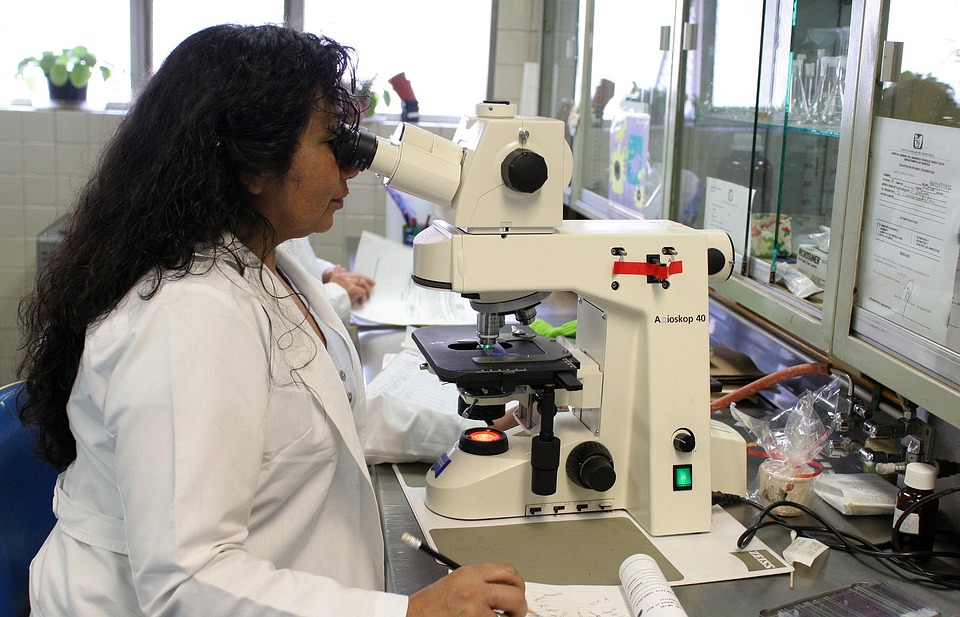
Booking an ultrasound can be a daunting task, particularly if you’re new to the experience or feel overwhelmed by the medical terminology and procedures. However, understanding the process can simplify your journey and ensure you receive the necessary care effectively and efficiently. This comprehensive guide will walk you through the steps involved in booking your ultrasound while providing tips and insights to help you navigate the system with ease. Step 1: Understanding Why You Need an Ultrasound Before initiating the booking process, it’s important to understand why an ultrasound is required. Ultrasounds are commonly used for various reasons, such as: Monitoring pregnancy Assessing organ health (e.g., liver, kidneys) Detecting abnormalities or diseases (e.g., tumors) Guiding needle biopsies for tissue sampling Speak to your healthcare provider to clarify the purpose of the ultrasound, the area of focus, and any specific preparations you may need to follow. Step 2: Getting a Referral In many cases, you will require a referral from a doctor to book your ultrasound. Schedule an appointment with your primary care physician or a specialist who can assess your condition. They will conduct an evaluation and, if necessary, provide you with a referral to a diagnostic imaging center. Make sure to ask: How urgent the ultrasound is? What specific type of ultrasound you need? If there are any special instructions for preparation? Step 3: Choosing the Right Facility Once you have your referral, the next step is selecting a facility. Factors to consider include: Location: Choose a facility that is convenient for you. Reputation: Look for reviews or ask for recommendations from friends and family. Accessibility: Ensure the facility is accessible, especially if you have mobility issues. Additionally, verify that the facility is accredited by appropriate medical authorities to ensure you receive quality care. Step 4: Booking Your Appointment After choosing a facility, contact them to book your ultrasound appointment. Be prepared to provide the following information: Your name, contact details, and birth date. The name of the referring physician. The specific type of ultrasound being requested. Insurance information (if applicable). During the call, inquire about: Operating hours and availability. Any patient preparation required before the ultrasound. Charge details if you’re paying out-of-pocket. Step 5: Preparing for Your Ultrasound Preparation varies based on the type of ultrasound. Common requirements include: For abdominal ultrasounds, you may need to fast for several hours prior. For pelvic ultrasounds, a full bladder may be necessary. For obstetric ultrasounds, specific dietary instructions may be provided. Make sure to follow the preparation guidelines meticulously. If you have any questions about the instructions, don’t hesitate to call the facility for clarification. Step 6: The Day of the Appointment On the day of your appointment, arrive at the facility early. This allows time for check-in and paperwork. Bring the following items: Your referral documentation. Your insurance card (if applicable). A list of questions or concerns you have related to the ultrasound. If you’re anxious about the procedure, inform the staff; they are trained to help put you at ease. The ultrasound process is generally painless and takes around 30 minutes to an hour. Step 7: After the Ultrasound After your ultrasound, the technician will send the images to your physician, who will interpret the results and discuss them with you. Ensure you understand: The findings from your ultrasound. Any next steps that may be required. Follow-up appointments or additional tests that may be necessary. This follow-up is crucial for understanding your health and making informed decisions regarding your care. Conclusion Booking an ultrasound doesn’t have to be overwhelming. By following these steps, you can navigate the process with confidence and ensure that you receive the necessary care in a timely manner. Always remember to communicate openly with your healthcare provider and ask for clarification whenever needed. Your health journey is important, and being an informed participant can lead to better outcomes. With thorough preparation and understanding, you can take control of your healthcare decisions and ensure you receive the best possible care.
Decoding the Ultrasound: Understanding Early Pregnancy Scans and Their Importance

Early pregnancy scans have transformed the landscape of prenatal healthcare, providing critical insights for expectant parents and healthcare professionals alike. These scans, typically performed via ultrasound, allow for the visualization of the developing fetus at its earliest stages, offering not just peace of mind but also essential information regarding the health of both the mother and the child. The Basics of Ultrasound Scans An ultrasound scan uses high-frequency sound waves to create images of the inside of the body. In the context of pregnancy, it produces images of the developing fetus, the uterus, and the surrounding tissues. The technology behind ultrasound has evolved, allowing for increasingly detailed images and real-time motion viewing. During early pregnancy, these scans are mostly transabdominal or transvaginal, depending on how far along the pregnancy is. When is the Early Pregnancy Scan Performed? Early pregnancy scans typically occur between 6 to 12 weeks of gestation. This timeframe is crucial for several reasons. First, it allows for confirmation of pregnancy and determination of gestational age. Understanding how far along a pregnancy is can help in planning necessary care and management as the pregnancy progresses. Confirming Viability One of the primary aims of early pregnancy scans is to confirm that the pregnancy is viable. This involves checking for a heartbeat, which typically becomes detectable between 6 and 7 weeks of gestation. The absence of a detectable heartbeat can indicate potential complications, such as a miscarriage or an ectopic pregnancy, where the embryo implants outside the uterus. Determining Gestational Age Measuring the embryo’s size during an early scan helps healthcare providers accurately date the pregnancy. This is important not only for tracking the growth of the fetus, but also for scheduling future scans and prenatal tests. Accurate dating is crucial for assessing developmental milestones and planning interventions if needed. Of Twins and Triplets: Multiples in Ultrasound Early scans can also reveal the presence of multiple pregnancies, a growing occurrence due to advances in reproductive technologies and fertility treatments. Detecting multiples early allows healthcare providers to monitor the pregnancy more closely and prepare for the unique challenges that multiple births can present. The Emotional Aspect The experience of seeing an image of one’s baby for the first time can be profoundly emotional for expectant parents. An early pregnancy scan can confirm a long-awaited pregnancy, providing a sense of connection and joy. For many, it marks the beginning of a journey filled with dreams and expectations. Monitoring Maternal Health In addition to assessing fetal health, early scans can monitor maternal conditions that may affect the pregnancy. Issues like gestational diabetes, preeclampsia, and fibroids can be detected, allowing for early intervention and management. Addressing maternal health concerns is crucial for ensuring the well-being of both mother and child. Understanding Risks The early pregnancy scan also allows healthcare professionals to identify potential risks associated with the pregnancy. For instance, if the scan reveals signs of a cervical insufficiency—where the cervix begins to open too early in the pregnancy—steps can be taken to reduce the risk of preterm labor. Important Considerations: Safety and Frequency While ultrasound is considered a safe and non-invasive procedure, many expectant parents have questions regarding the frequency of scans. Generally, early pregnancy scans are not performed more than necessary. In uncomplicated pregnancies, a single early scan may suffice, while others may require additional monitoring depending on risk factors or complications. Guidelines for Scans Healthcare professionals typically adhere to guidelines set by organizations such as the American College of Obstetricians and Gynecologists (ACOG). These guidelines recommend that additional scans should be based on individual risk factors rather than routine practice. Transparency and informed consent are essential components in this discussion, enabling parents to make educated decisions regarding their prenatal care. The Future of Ultrasound Technology The ongoing advancements in ultrasound technology are exciting. Innovations such as 3D and 4D imaging are creating even more detailed views of the fetus and enabling parents to observe their baby in real-time. Furthermore, developments in portable ultrasound devices are bringing this technology to underserved areas, ensuring all expectant mothers have access to essential prenatal care. Telemedicine and Remote Consultations Additionally, the integration of telemedicine is changing how consultations occur. Expectant mothers can now review their scans with healthcare providers remotely, offering convenience and accessibility like never before. This shift can ease some of the stress associated with prenatal visits, especially for those who may find it challenging to visit clinics frequently. Conclusion The importance of early pregnancy scans cannot be overstated. They serve a multifaceted role in ensuring the health of both mother and baby, provide emotional reassurance, and offer critical opportunities for timely intervention should complications arise. As ultrasound technology continues to evolve, the potential for enhanced patient care is immense, paving the way for healthier pregnancies and outcomes. Ensuring that every expectant parent has access to the advantages these scans provide not only supports individual families but also bolsters public health as a whole.
First Glimpses: What to Expect from Your 2D Baby Scan

For many expectant parents, the anticipation of meeting their little one often begins long before the baby’s arrival. One of the earliest and most significant steps in this journey is the 2D baby scan, commonly known as an ultrasound. This non-invasive procedure provides a first glimpse into the in-utero life of your baby, capturing their development and providing invaluable information about your pregnancy. Here’s what you can expect from your 2D baby scan. The Purpose of a 2D Baby Scan A 2D baby scan usually occurs around the first trimester, between weeks 6 to 12 of pregnancy. The primary purpose of this ultrasound is multifaceted: Confirming Pregnancy: It offers a conclusive confirmation of pregnancy by visualizing the embryo and the gestational sac. Dating the Pregnancy: Measuring the embryo can help determine the due date, ensuring adequate prenatal care and monitoring. Checking Heartbeat: One of the most exciting aspects for parents is hearing the baby’s heartbeat for the first time. Identifying Risks: Initial scans can help identify potential complications, such as ectopic pregnancies or abnormalities in fetal development. What to Expect During the Scan The experience of your 2D baby scan is both exciting and straightforward. Here’s a step-by-step process of what will happen: Preparation Before the appointment, you may be advised to drink plenty of water. A full bladder helps create a clearer image during the ultrasound. It’s beneficial to wear comfortable clothing that allows easy access to your abdomen. The Scanning Process Once at the facility, you’ll be asked to lie down on an examination table. A technician will apply a gel on your abdomen, which helps the ultrasound wand glide smoothly and improves the transmission of sound waves. The wand, known as a transducer, emits sound waves that bounce off the baby, creating echoes that are transformed into images displayed on a monitor. Duration of the Scan Typically, a 2D baby scan lasts about 15 to 30 minutes. This duration depends on the baby’s position and how easily images can be obtained. The technician will focus on capturing various views of the baby, ensuring that everything appears normal. Understanding the Images The images produced in a 2D baby scan may initially appear ambiguous, especially to untrained eyes. However, healthcare professionals are equipped to interpret these images and explain what they denote. Key elements assessed during the scan include: Fetal Heartbeat: The sonic feedback from the transducer confirms the baby’s heartbeat, typically observed around the 6th week. Gestational Age: The size of the embryo is measured, enabling accurate dating of your pregnancy. Fetal Position: Evaluating the baby’s position provides insight into how the pregnancy is progressing. Multiple Pregnancies: If you’re having twins or more, the scan will make this clear, providing critical information for subsequent prenatal care. The Emotional Impact Beyond the medical significance, a 2D baby scan can be a profoundly emotional experience. Many parents describe it as a bonding moment, seeing their child for the first time, even if just a little grainy blob on a screen. A shared moment of joy often unfolds as parents hear the heartbeat and see those first blurry images of their baby. However, emotions can also encompass anxiety or concern, especially if challenges arise during the scan. Issues such as the baby not being in a cooperative position may delay your understanding or delay responses to your questions. It’s essential to engage with the technician and doctor about any concerns. Questions to Ask Your Healthcare Provider Before and during your 2D baby scan, it’s vital to communicate openly with your healthcare provider. Consider asking the following questions: What will the scan show, and what can we learn about our baby’s health? Are there indications of any potential issues we should be aware of? Can we find out the gender of our baby during this scan? How often will we have to undergo ultrasounds throughout the pregnancy? When to Anticipate Your Next Scan The 2D baby scan is often just the beginning. Parents can expect follow-up scans around 20 weeks into the pregnancy. This second scan, known as the anatomy scan, is more detailed and assesses the baby’s development and anatomy more thoroughly. Conclusion A 2D baby scan offers a portal into your pregnancy journey, revealing precious moments and invaluable insight into your baby’s development. As you prepare for this exciting milestone, embrace the opportunity to ask questions and learn as much as possible. This scan not only provides a window into your baby’s world but strengthens the emotional bond you will carry throughout your parenting journey.
Understanding Fetal Growth: The Key to a Healthy Pregnancy

Understanding Fetal Growth: The Key to a Healthy Pregnancy Pregnancy is a period of rapid change, both physically and emotionally, and understanding fetal growth is crucial for expectant parents. Each stage of fetal development is characterized by significant milestones that can impact the health of both the mother and the baby. This article will explore the stages of fetal growth, the factors influencing it, and the importance of monitoring fetal development throughout pregnancy. Stages of Fetal Development Fetal development is generally divided into three trimesters, with each phase marked by unique growth patterns and characteristics. First Trimester (Weeks 1-12): The journey begins at conception, when the sperm fertilizes the egg. This is when the embryo forms and begins to develop vital organs. By the end of the first trimester, the embryo is now called a fetus, measuring about 3 inches long and having rudimentary features such as fingers and toes. Second Trimester (Weeks 13-26): This is often considered the golden period of pregnancy, as many women experience reduced nausea and increased energy. The fetus undergoes rapid growth, reaching about 14 inches by the end of this trimester. It’s also when the sex of the baby becomes discernible, and the fetus begins to move. Third Trimester (Weeks 27-40): The final phase is dedicated to growth and maturation. The fetus develops fat to maintain body temperature after birth and continues to grow rapidly, often reaching birth weights of 5 to 8 pounds or more by delivery. Factors Influencing Fetal Growth Several factors play a crucial role in the growth and development of a fetus. These include: Maternal Health: A mother’s overall health significantly impacts fetal growth. Conditions such as gestational diabetes, hypertension, or malnutrition can lead to complications and affect the trajectory of growth. Nutrition: Adequate nutrition during pregnancy is critical. Consuming a balanced diet rich in vitamins, minerals, and proteins supports fetal development. Essential nutrients, such as folic acid, play a vital role in neural tube development. Environment: Exposure to harmful substances, such as alcohol, tobacco, and pollutants, can hinder fetal growth and lead to developmental delays or congenital anomalies. Genetics: Genetic factors inherited from the parents can influence the growth patterns and size of the fetus. Multiple Pregnancies: The growth of multiples (twins or triplets) can be different from singleton pregnancies, often resulting in lower birth weights due to competition for space and nutrients. The Importance of Monitoring Fetal Growth Regular prenatal check-ups are essential for tracking fetal growth and health. Healthcare providers utilize several methods to monitor the developing fetus: Ultrasound: This imaging technique allows healthcare providers to visualize the fetus, assess its growth, and check for any anatomical abnormalities. Growth measurements can provide crucial data regarding fetal weight and development. Fundal Height Measurement: By measuring the distance from the pubic bone to the top of the uterus, healthcare providers can gauge fetal growth relative to gestational age. Fetal Heart Rate Monitoring: A healthy fetal heart rate can be an indicator of the baby’s well-being. Abnormalities may signal the need for further investigation. Signs of Potential Growth Issues While many pregnancies progress without complications, some signs may indicate potential fetal growth issues. Expectant parents should be aware of: Decreased Fetal Movement: A noticeable decrease in fetal activity after the 28th week can be concerning and should prompt immediate medical consultation. Excessive Weight Gain or Loss: Sudden weight changes in the mother can be a sign of underlying issues affecting fetal growth. Preeclampsia Symptoms: Symptoms such as high blood pressure, severe headaches, and swelling can compromise blood flow to the fetus. The Role of Healthcare Providers Healthcare providers play a pivotal role in ensuring a healthy pregnancy through education, screenings, and support. Expectant parents should feel empowered to communicate openly with their healthcare providers about any concerns they may have regarding fetal growth. Regular follow-ups and screenings help identify potential issues early, allowing for timely intervention. Conclusion Understanding fetal growth is key to fostering a healthy pregnancy. By being aware of the stages of development, the various influencing factors, and the importance of monitoring growth, expectant parents can take proactive steps to promote a safe and successful pregnancy. As every pregnancy is unique, seeking personalized medical advice and maintaining open communication with healthcare providers can significantly enhance the experience for both parents and the growing child. A healthy pregnancy doesn’t just benefit the baby; it lays the groundwork for a lasting bond between parents and their newborn, filled with love, care, and hope for the future.
Is It a Boy or a Girl? The Evolution of Gender Scans Explained

In the modern era, gender reveal parties and anticipatory ultrasounds are staples in the journey of parenthood. But the question, “Is it a boy or a girl?” is not merely a curious inquiry; it’s steeped in centuries of cultural practices and technological advances. This article explores the evolution of gender determination in pregnancy, examining how societal norms, scientific progress, and ethical considerations have shaped our understanding of gender and parenthood. The Historical Context: A Quest for Gender Knowledge The fascination with determining a baby’s sex is not a modern phenomenon. For centuries, various cultures have employed a myriad of methods—from ancient Chinese lunar calendars to Native American folklore. In many cultures, the desire to know the gender stemmed from societal norms and expectations surrounding lineage, inheritance, and family dynamics. In a significant number of Western societies, sons were traditionally favored for carrying on family names and legacies. Thus, methods to determine gender were often closely tied to economic and social pressures. Early techniques included observing pregnant women’s cravings or the shape of their bellies, leading to a complex tapestry of folklore that continues today. The Rise of Medical Imaging: Ultrasound Technology The true medical revolution began in the 1950s with the introduction of ultrasound technology. Initially used for diagnostic purposes, ultrasounds quickly gained popularity for gender determination as well. By the 1980s, the ability to visualize the fetus had improved dramatically. Today, many parents eagerly await their 20-week ultrasound appointment to find out if they’re having a boy or a girl. Ultrasound works by emitting sound waves into the body and measuring the echoes that bounce back. When performed by a skilled technician, these scans can reveal the baby’s sex based on the clear visualization of genitalia. While most countries allow gender scans around the 20-week mark, practitioners may sometimes offer gender determination as early as 12 weeks. Accuracy: What the Science Says While the accuracy of ultrasounds in identifying gender has improved, it is not foolproof. A study published in the Journal of Ultrasound in Medicine indicated that ultrasound gender determination can be up to 95% accurate at 20 weeks, but this dips slightly at earlier stages or based on the fetus’s positioning. As parents embark on this journey, it’s essential to remember that while these technological advancements provide valuable insights, they are not infallible. The excitement of possible expectations—be it online gender reveal games or meticulously planned unveilings—often drapes a shroud of disappointment when the gender doesn’t align with anticipations. Ethical Challenges and Cultural Considerations As gender imaging has become ubiquitous, ethical questions have arisen surrounding gender selection and cultural biases associated with gender preferences. Some societies exhibit a strong preference for one gender over another, particularly in regions where males are culturally favored for lineage. This has led to challenges including sex-selective abortions and societal imbalances. In response, several countries have enacted laws to restrict non-medical reasons for gender selection, citing ethical implications. While some argue that gender scans should remain accessible to parents, others contend that this capability can reinforce harmful biases and societal pressures. Modern Perspectives: Gender in the 21st Century The conversation around gender identity is shifting dramatically. Increasingly, there is recognition that gender is not a binary construct but exists on a spectrum. As parents navigate their excitement and expectations surrounding their unborn child’s gender, there is also an emerging awareness that traditional labels may not adequately describe a child’s identity. Organizations, educators, and healthcare professionals are emphasizing the importance of not imposing gender expectations on children, advocating for an understanding of gender that is permissive and all-encompassing. This evolving perspective raises important questions: should parents still be focused on determining gender in utero, or should the emphasis be placed on allowing children to identify as they grow? “Understanding and supporting a child’s identity is more crucial than fitting them into predefined societal roles.” – Dr. Jamie Lee, Pediatric Psychologist The Future of Gender Determination With technological advancements, including advances in genetic testing, gender determination has taken a new turn. Non-invasive prenatal testing (NIPT) can identify a baby’s sex as early as 10 weeks through maternal blood samples. This has sparked further discussions about the implications of early gender knowledge, especially given the aforementioned cultural biases. Looking forward, it will be essential for society to engage in dialogues about gender in pregnancy, embracing a more inclusive framework that prioritizes understanding and acceptance over traditional norms. Awareness and education on the nuances of gender identity can empower parents to nurture and support their children, irrespective of traditional expectations. Conclusion As we advance into an age where technology accelerates our ability to understand and connect the intimate aspects of life—like pregnancy and parenthood—it’s critical to navigate these waters with sensitivity. The question, “Is it a boy or a girl?” may not have a singular answer; it is multifaceted, reflecting not just biological realities but also cultural narratives and evolving identities. Ultimately, the journey of parenthood becomes a richer experience when it allows for fluidity and embraces the complexity of human identities.
Expecting? Discover the Benefits of Choosing the Right Pregnancy Scan Package

The Journey of Pregnancy: A Comprehensive Overview Pregnancy is one of the most transformative experiences in a person’s life, filled with excitement, joy, and a series of critical health considerations. As the saying goes, “A healthy baby begins with a healthy pregnancy.” One of the most vital tools for ensuring optimal fetal health and development is the pregnancy scan. With various scan packages available, choosing the right one can enhance your pregnancy journey significantly. Understanding Pregnancy Scans Pregnancy scans, or ultrasounds, use high-frequency sound waves to create images of the baby and monitor its development. These scans are categorized into various types, each serving a unique purpose: Dating Scan: Usually performed between 6 to 8 weeks, this scan helps determine the exact gestational age of the fetus, which is vital for accurate due date calculations. NT Scan: The Nuchal Translucency scan, typically conducted between 11 to 14 weeks, assesses the risk of genetic conditions such as Down syndrome. Gender Scan: Conducted around 20 weeks, this scan reveals the baby’s sex, if parents choose to know. Anomaly Scan: Usually performed at 20 weeks, this scan checks for any physical abnormalities in the fetus. Growth Scan: Typically done during the later stages of pregnancy, it monitors the fetus’s growth and overall health. The Benefits of Choosing the Right Package Not all pregnancy scans are created equal, and selecting the right package tailored to your unique needs can yield several important benefits: 1. Accurate Monitoring of Fetal Health Choosing an appropriate scan package ensures regular monitoring of your baby’s development. For example, a combination of dating and anomaly scans can provide critical insights during the first and second trimesters. 2. Early Detection of Potential Issues Some packages focus on screening for specific conditions. For instance, a package that includes the NT scan helps assess risks for genetic disorders, potentially allowing for early interventions if needed. 3. Emotional Connection Many parents find that the opportunity to see images of their developing baby creates a deeper emotional connection. Packages offering 3D or 4D scans provide an even more intimate glimpse into this journey. 4. Essential Information for Planning Knowledge is power. Accurate information, including the baby’s sex and growth rate, helps parents prepare better, from nursery planning to making decisions about healthcare providers. 5. Tailored Parenting Decisions With comprehensive insights from a well-rounded package, parents can make informed decisions about birthing plans, potential neonatal care needs, and any lifestyle adjustments necessary for a healthy pregnancy outcome. Choosing the Right Package: Key Considerations With numerous options available, how can you ensure that you select the best pregnancy scan package for your needs? Keep these factors in mind: 1. Consult Your Healthcare Provider Your healthcare provider is your best resource for understanding which scans are essential for your unique situation. They can guide you based on your medical history and risk factors. 2. Understand What Each Package Offers Review the details of different packages. Some may offer additional features like gender confirmation and detailed 3D imaging, while others may focus solely on medical assessments. 3. Consider Timing Determine when you want each scan. The optimal timing for each type often plays a crucial role in the information you can gather. 4. Evaluate Costs Pregnancy scans can vary significantly in price depending on location, technology, and package features. Discuss costs upfront to avoid surprises later. 5. Trust Your Instincts Your comfort level with the clinic and the professionals conducting the scans matters immensely. Choose a provider that makes you feel valued and informed. Conclusion: Your Pregnancy, Your Choice As you embark on the extraordinary journey of parenthood, choosing the right pregnancy scan package is not merely a matter of convenience—it’s a decision that can significantly affect both your health and your baby’s wellbeing. With the right information, support, and technologies, you can enhance the experience of bringing new life into the world. Whether you prioritize medical factors, emotional connections, or insights that help guide your choices, selecting a tailored package allows you to embrace the adventure of pregnancy with confidence. © 2023 Pregnancy Health Insights. All rights reserved.