

Your Baby’s First Pictures: The Importance of Early Prenatal Ultrasound Imaging
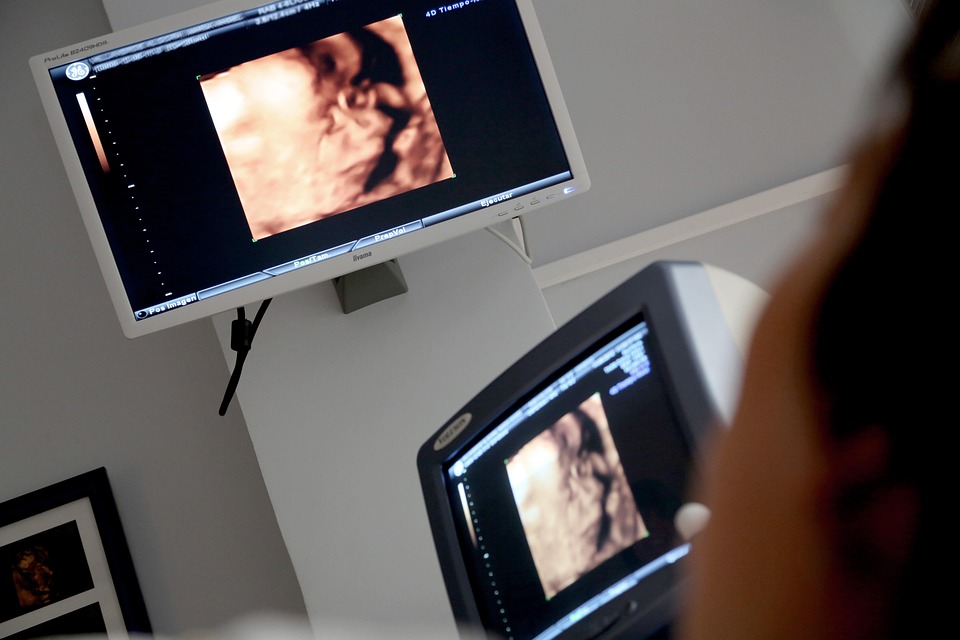
As soon as a couple learns of the impending arrival of their baby, a wide range of emotions kick in—from excitement and joy to anxiety and anticipation. Among the milestones of an expectant journey, one stands out: the first glimpse of your little one via prenatal ultrasound imaging. Often referred to as the baby’s first pictures, these images are not just sentimental keepsakes; they play a vital role in monitoring the health and development of both the mother and baby. Understanding Prenatal Ultrasound Imaging Prenatal ultrasound imaging, commonly known as sonography, utilizes high-frequency sound waves to create images of the developing fetus in the womb. This non-invasive procedure is typically performed at various stages during pregnancy, but the early ultrasound—usually done around 6 to 12 weeks—can provide invaluable insights. The Role of Early Ultrasound in Confirmation and Dating One of the primary purposes of an early ultrasound is to confirm pregnancy and to accurately date the gestational period. Medical professionals use measurements obtained during the ultrasound to verify the due date, which is critical for planning medical care throughout the pregnancy. Establishing a precise timeline helps health providers monitor the baby’s development effectively. Detecting Multiple Pregnancies Early ultrasounds are also essential for determining whether the pregnancy is single or multiple (twins, triplets, etc.). The implications of multiple pregnancies can significantly alter prenatal care and delivery methods, making it paramount to identify such situations right from the beginning. Health Monitoring: Risks and Conditions Beyond the initial confirmation of pregnancy, early prenatal ultrasounds serve a critical role in health monitoring. By observing the baby’s growth and development, health care providers can identify potential risks and conditions: Assessing Fetal Anatomy At the early stages of development, an ultrasound can help assess the basic anatomy of the fetus. Healthcare providers look for structural abnormalities and conditions that could affect the child’s health, such as craniofacial anomalies and abnormalities in limb development. Evaluating the Placenta Moreover, the ultrasound allows for evaluation of the placenta’s position and health, which is crucial for future growth and delivery outcome. Conditions like placenta previa, where the placenta covers the cervix, can complicate pregnancies if not addressed early. The Emotional Connection For many expectant parents, seeing their baby for the first time is an emotionally charged experience. Early ultrasounds provide more than just medical data—they offer parents an intimate connection with their unborn child. As the sonographer turns the screen and reveals the image of a tiny fetus, often stretching or wiggling, the reality of impending parenthood becomes tangible. It’s not just a series of black and white images; it’s a portal into the future—a glimpse of dreams and hopes. Creating Lasting Memories Along with their medical significance, these early scans often produce memorable keepsakes such as photographs or even videos of the baby’s first movements. Many parents cherish these moments, capturing significant milestones in their journey to parenthood. Creating a baby book filled with these early ultrasound images can serve as a treasured memento, allowing families to reflect on their journey in a meaningful way. Advancements in Ultrasound Technology In recent years, advancements in ultrasound technology have enhanced the overall experience. 3D and 4D ultrasounds are becoming increasingly popular among expectant parents, offering more detailed images and real-time video of the baby’s movements. These innovative technologies not only help in better assessment of fetal health but also amplify the emotional connection parents feel, presenting an almost lifelike impression of their baby before birth. Preparing for Your Ultrasound To get the best results from your early ultrasound, a little preparation goes a long way. It is advisable to drink plenty of water before the procedure to fill the bladder, as this can help create a clearer picture. Also, discussing any concerns or expectations with your healthcare provider can help ease any anxiety surrounding the appointment. Conclusion Prenatal ultrasound imaging is an indispensable component of modern pregnancy care. Not only does it provide crucial health information for the expectant mother and her baby, but it also facilitates a deeper emotional connection between them. The early ultrasound images serve as the baby’s first pictures—a glimpse into life, growth, and the future. As science and technology continue to evolve, these precious moments allow families to begin their journey toward parenthood with kindness, clarity, and joy.
Unlocking the Womb: How Prenatal Ultrasound Imaging Enhances Baby Monitoring

Understanding Prenatal Ultrasound Imaging Prenatal ultrasound imaging has become a cornerstone of modern maternal-fetal medicine. This non-invasive technique uses high-frequency sound waves to create visual images of the developing fetus, allowing healthcare providers to monitor both the baby and the mother’s health throughout pregnancy. Moreover, the advent of advanced ultrasound technologies has significantly improved the ability to detect potential complications early and assess fetal well-being. The Evolution of Ultrasound Technology Initially introduced in the 1950s, ultrasound technology has undergone substantial refinement. Early machines were bulky and provided only basic outlines of the fetus. Today, state-of-the-art ultrasound equipment offers high-resolution 3D and even 4D imaging capabilities, providing intricate details of the fetus’s anatomy and movements. 3D ultrasounds generate three-dimensional images, enhancing the visualization of the baby’s physical characteristics, while 4D ultrasounds add a temporal dimension, allowing parents to watch their babies move in real-time. These advancements not only enhance parental bonding but also empower healthcare professionals to monitor key metrics such as fetal growth and anatomical anomalies. 3D Ultrasound Image of a Developing Baby Why Monitoring Matters Pregnancy is a complex process, and maternal and fetal health can be influenced by numerous factors, including genetics, pre-existing health conditions, and environmental exposures. Continuous monitoring through prenatal ultrasound plays a critical role in ensuring a healthy pregnancy for both mother and child. Through regular ultrasound scans, healthcare providers can: Assess fetal growth and development. Detect potential abnormalities early. Monitor amniotic fluid levels and placental position. Evaluate fetal heart rate and blood flow. Identifying Complications Early One of the most significant benefits of prenatal ultrasound imaging is the early detection of potential complications. Conditions such as placenta previa, preeclampsia, and fetal growth restriction can be identified during routine ultrasounds, allowing for timely interventions. For instance, a 2019 study published in the Journal of Ultrasound in Medicine found that early detection of fetal growth restriction significantly reduces adverse perinatal outcomes when managed appropriately. By closely monitoring fetal development, healthcare providers can tailor interventions to optimize both maternal and fetal health. The Emotional Connection: Bridging the Gap Beyond medical benefits, prenatal ultrasounds foster emotional connections between parents and their unborn children. The magic of seeing the baby’s heartbeat or capturing their little kicks on-screen creates a bond that is invaluable. For many parents, the ultrasound appointment is a moment they cherish, offering a glimpse into the life that is about to unfold. Moreover, sharing these images with family members or on social media often helps in creating a broader support system and joyfully celebrating pregnancy milestones. Safety and Ethical Considerations Despite the many advantages of prenatal ultrasound, it is essential to approach the technology with caution. The American College of Obstetricians and Gynecologists (ACOG) emphasizes that ultrasound should be performed only when medically indicated and should not be used for non-medical purposes, such as keepsake photos or gender determination purely for consumer interest. Unnecessary exposure to ultrasound can carry risks, as heat generated by ultrasound waves may have unknown effects on fetal development. Therefore, healthcare providers must adhere to guidelines that advocate for judicious and appropriate use of this powerful tool. The Future of Prenatal Imaging As technological advancements continue, the future of prenatal ultrasound imaging looks promising. Innovations such as artificial intelligence (AI) are already being integrated into ultrasound practices to improve accuracy in diagnosing fetal abnormalities and predicting potential complications. For instance, AI algorithms can analyze ultrasound images and assist healthcare professionals in making more informed decisions during pregnancy. Furthermore, improved accessibility of ultrasound technologies could mean that more women in remote or underserved areas can access vital prenatal care, thereby ensuring that fewer pregnancies are left unmonitored. Conclusion Prenatal ultrasound imaging has undoubtedly transformed the landscape of maternal-fetal medicine. By enhancing the ability to monitor the developing fetus, it not only supports early intervention and complication detection but also fosters emotional bonds between parents and their unborn children. As technology continues to evolve, ensuring that such medical advancements are accessible and ethically implemented will remain a priority in safeguarding the health of mothers and babies alike.
Seeing the Unseen: The Transformative Role of Prenatal Ultrasound Imaging in Modern Obstetrics

In a world where technology increasingly permeates our daily lives, the realm of obstetrics has also embraced modern advancements, most significantly the development of prenatal ultrasound imaging. This revolutionary tool has transformed the way healthcare providers approach pregnancy, improving outcomes for mothers and their unborn children in ways previously thought impossible. The ability to “see” the unseen—life before birth—has ushered in an era of early detection, enhanced maternal-fetal bonding, and informed decision-making, making prenatal ultrasound a cornerstone of contemporary prenatal care. The Evolution of Prenatal Ultrasound Ultrasound technology has its roots in the early 20th century, but it wasn’t until the 1950s that it began to find applications in obstetrics. Initial uses of ultrasound focused on determining the presence of a fetus. As the technology advanced, so did its capabilities. Today’s high-resolution imaging allows medical professionals to visualize the developing fetus in stunning detail, offering insights that were once unimaginable. Modern ultrasound machines can produce 3D and 4D images, allowing parents to see the fine features of their baby before birth. This ability not only enhances the joy of pregnancy but also provides critical information regarding the health and development of the fetus. Benefits of Prenatal Ultrasound Imaging Beyond its aesthetic appeal, prenatal ultrasound serves several vital functions in healthcare. One of the primary benefits is the early detection of potential complications. Conditions such as spina bifida, congenital heart defects, and aneuploidies can be identified during routine scans, leading to informed treatment decisions and better overall outcomes. “Ultrasound enables us to intervene early, providing better care and improving the chances of a healthy pregnancy and birth.” – Dr. Linda Carson, Maternal-Fetal Medicine Specialist. Additionally, ultrasounds play a crucial role in monitoring fetal growth and development. By evaluating parameters such as the fetus’s size and position, healthcare providers can assess whether the baby is developing normally and if any interventions are necessary. Prenatal Ultrasound and Maternal-Fetal Bonding Beyond the clinical implications, prenatal ultrasound has also profoundly impacted the emotional connection between parents and their unborn child. The experience of seeing a baby’s heartbeat or watching them move can be immensely powerful, fostering a deeper bond long before birth. Expecting parents often leave ultrasound appointments with printed images or videos of their baby, which they proudly share with family and friends. These keepsakes serve as reminders of the journey towards parenthood, solidifying emotional ties at an early stage. The Role of Technology in Enhancing Ultrasound Imaging The integration of artificial intelligence (AI) into prenatal ultrasound imaging is set to further revolutionize the field. AI can assist in analyzing images, identifying potential issues faster and with greater accuracy than the human eye alone. Algorithms can learn from vast datasets, improving their predictive abilities regarding fetal anomalies and outcomes. Moreover, cloud-based technology allows for seamless sharing of ultrasound images between healthcare providers, ensuring that the patient receives holistic care. This interconnectedness promotes comprehensive monitoring throughout pregnancy, as specialists can collaborate without geographical limitations. Ethical Considerations and Limitations While the benefits of prenatal ultrasound are numerous, ethical considerations must be taken into account. Non-medical uses, such as “keepsake” ultrasounds performed solely for entertainment, have raised concerns among healthcare professionals. The potential for emotional distress arising from the misinterpretation of images or the commercializing of the experience can lead to unnecessary anxiety. Moreover, while ultrasound is a powerful tool, it is not infallible. False positives and negatives can occur, leading to undue stress or missed diagnoses. Therefore, clear communication between parents and healthcare providers regarding the limitations and potential risks of ultrasound imaging is critical. The Future of Prenatal Ultrasound As we look to the future, prenatal ultrasound imaging is likely to become even more refined. Emerging technologies like holography and augmented reality may enable healthcare providers and parents to visualize the fetus in ways beyond traditional imaging. Research into maternal-fetal genetics could also significantly advance prenatal care, potentially enabling diagnosis of genetic disorders much earlier in pregnancy. This ongoing evolution underscores the importance of staying abreast of technological advancements to leverage their benefits while minimizing risks. As we continue to push the boundaries of what is possible, the role of prenatal ultrasound in obstetrics will undoubtedly expand, offering new opportunities to enhance maternal and fetal health. A Lasting Impact The profound impact of prenatal ultrasound imaging cannot be overstated. By changing the landscape of prenatal care, it has enabled better health outcomes and nurtured emotional bonds between parents and their unborn children. As technology continues to advance, we can anticipate a future where expecting couples are better informed and more connected to their pregnancy journey than ever before.