

How to Track Your Pregnancy: Tools and Techniques for Early Monitoring
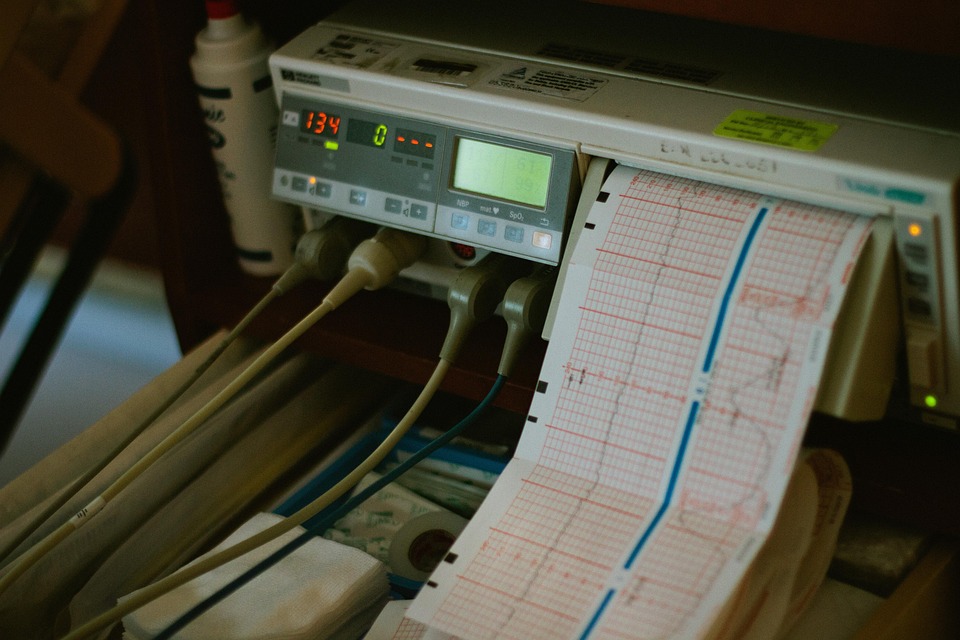
Embarking on the journey of pregnancy is a magical experience filled with anticipation and life-changing moments. As exciting as it is, it can also be overwhelming, especially for first-time parents. To navigate these nine months with confidence, careful monitoring and tracking can significantly contribute to a healthy pregnancy. The Importance of Tracking Your Pregnancy Understanding your pregnancy is crucial for both maternal and fetal health. Regular tracking helps monitor developments, identify potential complications, and ensures preparedness for appointments. It also allows expectant parents to bond with their baby even before birth and make informed decisions. Essential Pregnancy Tools 1. Pregnancy Apps In the digital age, pregnancy apps have become indispensable tools for expectant parents. Among the most popular are: What to Expect: This app provides daily articles, tips, and a timeline of fetal development. You can track symptoms, weight gain, and medical appointments, contributing to a well-rounded understanding of your pregnancy journey. Pregnancy +: This app offers a countdown to your due date along with a customizable tracking feature for weight, baby movement, and contractions. Its comprehensive resources include articles by experts in maternal health. Ovia Pregnancy Tracker: A favorite for its user-friendly design, Ovia provides daily insights, personalized content, and a community of support where parents can connect and share experiences. 2. Wearable Technology Wearable technology, such as smartwatches and fitness trackers, has expanded its influence into pregnancy monitoring. Some features to consider include: Heart Rate Monitoring: Keeping an eye on maternal heart rate can help signal any potential issues during pregnancy. Some wearables can even sync with pregnancy apps for an integrated experience. Activity Tracking: Maintaining physical activity is vital during pregnancy, but overexertion can pose risks. A fitness tracker can help moms-to-be monitor their activity levels and ensure they remain within healthy limits. Techniques for Early Monitoring 1. Keeping a Pregnancy Journal A pregnancy journal is a classic yet invaluable method of tracking your journey. Documenting daily feelings, experiences, and milestones not only helps with emotional processing but also serves as a cherished keepsake. Parents can reflect on symptoms, baby movements, and significant events like ultrasounds, building a narrative of their pregnancy experience. 2. Regular Check-ups with Healthcare Providers No tracking system can replace regular check-ups with healthcare providers. Prenatal visits typically occur every four weeks during the first 28 weeks, every two weeks until 36 weeks, and then weekly until delivery. These visits involve: Blood Tests: Early blood tests can identify conditions like anemia or gestational diabetes and ascertain the baby’s blood type. Ultrasounds: These provide vital information about fetal development, checking for any abnormalities. Routine Measurements: Doctors track weight, blood pressure, and fetal growth to assess the health of both mother and baby. 3. Monitoring Symptoms Every pregnancy is unique. Keeping track of specific symptoms, such as nausea, fatigue, swelling, and mood changes, can help identify patterns and provide insights during appointments. Noting how symptoms align with specific weeks of pregnancy can facilitate discussions with healthcare providers about your experience. Navigating Emotional Health Society often focuses on the physical aspects of pregnancy, but emotional well-being is equally important. Tools like meditation and mindfulness apps, such as Headspace and Calm, offer relaxation exercises tailored for pregnancy. Journaling can also serve as a powerful outlet for processing the range of emotions that come with impending parenthood. Community Support Connecting with other expectant parents can provide encouragement, shared experiences, and useful tips. Local parenting groups, online forums, and social media platforms are excellent places for support. Having a community to lean on not only eases anxiety but creates a sense of shared joy in the journey of bringing new life into the world. Conclusion Tracking your pregnancy is not only a way to stay informed but also enhances the emotional aspects of becoming a parent. By utilizing a blend of technology, traditional methods, and community resources, expectant parents can embrace the journey ahead with confidence and peace of mind. Remember, every pregnancy is unique, so find what works best for you and celebrate each milestone along the way. The road ahead may be long and winding, but with the right tools and techniques, you can navigate it beautifully.
Early Pregnancy Monitoring: A Comprehensive Guide to Ensuring Your Baby’s Health

For many expecting parents, the first trimester is a period filled with excitement and anxiety. Early pregnancy is crucial for the development of the fetus, and monitoring its progress is vital for ensuring both maternal and fetal health. In this comprehensive guide, we will explore the various aspects of early pregnancy monitoring, including what to expect during your first trimester, the importance of prenatal care, and the methods available for monitoring your baby’s health. The Importance of Prenatal Care Regular prenatal care is essential for a healthy pregnancy. This ensures that health issues are identified early, and necessary interventions can be implemented. According to the American College of Obstetricians and Gynecologists (ACOG), prenatal visits should ideally begin as soon as pregnancy is confirmed. Establishing a Baseline: Initial check-ups help establish a baseline of the mother’s health, including weight, blood pressure, and any existing health conditions. Regular Check-Ups: Routine visits typically occur monthly during the first trimester. These visits allow healthcare providers to monitor the progression of the pregnancy and address any concerns. Education: Prenatal visits also offer opportunities for education regarding nutrition, exercise, and what to expect during the upcoming trimesters. Essential Tests During Early Pregnancy Early in the pregnancy, several tests are conducted to monitor the health of both the mother and the developing fetus. Here are the key tests typically recommended: 1. Blood Tests Blood tests are among the first steps in monitoring pregnancy. They can determine: Blood type and Rh factor Hemoglobin levels The presence of infectious diseases (e.g., HIV, syphilis) Hormonal levels, particularly human chorionic gonadotropin (hCG), which indicates pregnancy status 2. Urinalysis This test checks for protein and glucose levels, which can indicate conditions such as gestational diabetes or potential kidney issues. It is a quick and non-invasive method of monitoring maternal health. 3. Ultrasound Ultrasounds are often used early in pregnancy to confirm viability and check for the presence of multiples, as well as to assess the developing fetus’s heartbeat. Typically performed around 6-8 weeks, this test can also help date the pregnancy accurately. Understanding Fetal Development Fetal development occurs rapidly during the first trimester, making early monitoring particularly vital. Here’s a general timeline of what happens: Weeks 1-4: Fertilization occurs, and the fertilized egg implants itself into the uterine lining. By week 4, a pregnancy test may show positive results. Weeks 5-8: Major organs begin forming. The fetal heartbeat can often be detected by ultrasound. Weeks 9-12: By the end of the first trimester, all major organs and systems are developed, and the risk of miscarriage declines significantly. Coping with Early Pregnancy Symptoms Pregnancy often brings a range of physical symptoms. Being mindful of these can also help monitor your well-being: Nausea and Vomiting: Commonly known as “morning sickness,” it can occur at any time of day. Hydration and small, frequent meals can help manage this symptom. Fatigue: Increased progesterone levels can lead to significant tiredness. Adequate rest and balanced nutrition are crucial during this time. Emotional Changes: Hormonal fluctuations can lead to mood swings. Open communication with your partner or healthcare provider can be beneficial. Open Communication with Healthcare Providers Maintaining an open line of communication with your healthcare provider is crucial for optimal early pregnancy monitoring. Here are some tips: Prepare a list of questions or concerns ahead of appointments. Be honest about your symptoms and any lifestyle changes. Follow your provider’s advice regarding appointments and tests, and don’t hesitate to voice any worries. Addressing Concerns and Complications It’s essential to be aware of potential complications that may arise during early pregnancy. Recognizing the signs and symptoms can lead to timely intervention. Some common concerns include: Miscarriage: Symptoms may include severe cramping and bleeding. Contact your healthcare provider immediately if these occur. Ectopic Pregnancy: This is a situation where a fertilized egg implants outside the uterus. Symptoms may include sharp abdominal pain and dizziness. Hyperemesis Gravidarum: A severe form of morning sickness that can lead to dehydration and requires medical intervention. Conclusion Early pregnancy monitoring is a vital aspect of ensuring the health and well-being of both mother and baby. By engaging in regular prenatal care, understanding the development of the fetus, and maintaining open communication with healthcare providers, expecting parents can navigate this transformative journey more confidently. With the right resources and support, early pregnancy can be a time of joy and anticipation. © 2023 Early Pregnancy Health Guide. All rights reserved.