

Maximize Patient Satisfaction with an Integrated Clinic Booking Solution

In today’s fast-paced healthcare environment, where convenience and accessibility have become paramount, an integrated clinic booking solution stands as a pivotal component in enhancing patient satisfaction. With traditional appointment systems often falling short in efficiency and communication, healthcare providers are turning to innovative digital platforms to streamline operations and improve the patient experience. The Shift to Digital Booking Solutions Over the past decade, the healthcare landscape has undergone a significant transformation. Patients are no longer willing to accept long wait times, cumbersome phone calls, or confusing appointment processes. A report from the National Center for Biotechnology Information indicated that 40% of patients experience frustration when scheduling appointments through traditional methods. With the rise of telehealth and digital appointment scheduling, healthcare organizations are now better positioned to cater to the evolving preferences of patients. Integrated clinic booking solutions enable patients to easily schedule, reschedule, or even cancel appointments via mobile apps or websites, offering a level of convenience previously unheard of. Features That Enhance Patient Experience User-Friendly Interface The cornerstone of any effective booking solution is its user interface. An intuitive and visually appealing design encourages patients to engage with the platform seamlessly. Integrated solutions such as Zocdoc or SimplePractice exemplify this approach by providing a clean layout, easy navigation, and quick access to important information. Real-Time Availability Real-time appointment availability ensures patients can book slots that suit their schedules. Instead of playing phone tag with the clinic staff, patients can instantly view and select available times, cutting down on no-show rates. According to a study by Health Affairs, real-time booking capability reduced patient no-show rates by 30% in participating clinics. Automated Reminders Missed appointments can lead to inefficiencies that plague healthcare providers. An integrated clinic booking solution reduces these missed opportunities by sending automated reminders via email, SMS, or app notifications. This simple yet effective tool has been shown to improve attendance rates significantly, ultimately benefiting both patients and providers. Improved Communication Integrated systems allow for better communication between patients and healthcare providers. Features such as chatbots or secure messaging services enable patients to ask questions or seek clarification about their appointments without visiting the clinic. A study from the Journal of Medical Internet Research showed that improved communication leads to greater patient involvement, enhancing overall satisfaction levels. Understanding Patient Needs One key to maximizing patient satisfaction is understanding the diverse needs of the patient population. Integrated booking solutions can offer demographic insights that help clinics tailor their services, making them more responsive to the community they serve. For example, younger patients might prefer app-based booking, while older patients might benefit from more traditional phone systems. Providing multiple options within an integrated system caters to these varied preferences, ensuring that no patient feels alienated. This adaptability has been linked to increased patient loyalty and retention, as highlighted in industry research by Forbes. Addressing Security and Compliance In an era where data breaches are increasingly common, ensuring the security of patient information is crucial. Integrated clinic booking solutions must comply with health regulations such as HIPAA (Health Insurance Portability and Accountability Act) in the U.S., ensuring that patient data is secured and handled appropriately. Trust in a clinic’s handling of personal information is vital, as evidenced by a report from HealthITSecurity that indicated nearly 60% of patients are hesitant to share information if they feel security measures are inadequate. Implementing an Integrated Solution Adopting an integrated clinic booking solution requires foresight and planning. Healthcare providers must evaluate the specific needs of their patient population, harness feedback, and select a solution that aligns with their operational goals. Successful implementation includes: Training staff: Ensuring that all clinic personnel are proficient in using the new system, which improves adoption rates. Marketing the solution: Effectively communicating the new booking process to patients via newsletters, social media, and in-clinic announcements. Continuous feedback: Gathering ongoing feedback from patients and staff to refine the system and make necessary adjustments. The Future of Patient Satisfaction As we advance further into the digital age, the emphasis on patient experience will remain at the forefront of healthcare innovation. Integrated clinic booking solutions are not just a trend; they represent a fundamental shift in how healthcare providers approach patient engagement. Though challenges remain, from integrating new technologies to maintaining compliance, the benefits far outweigh the risks. For clinics willing to embrace change, the reward is clear: a more satisfied patient population leading to improved health outcomes and operational efficiency. In conclusion, the integration of clinic booking solutions presents an opportunity not merely for convenience but for a profound transformation in patient care, ensuring that every appointment reflects the needs and expectations of the patient. In this changing healthcare landscape, those who prioritize patient satisfaction will ultimately lead the industry into a new era of care.
The Future of Appointments: Why Every Clinic Needs a Booking System
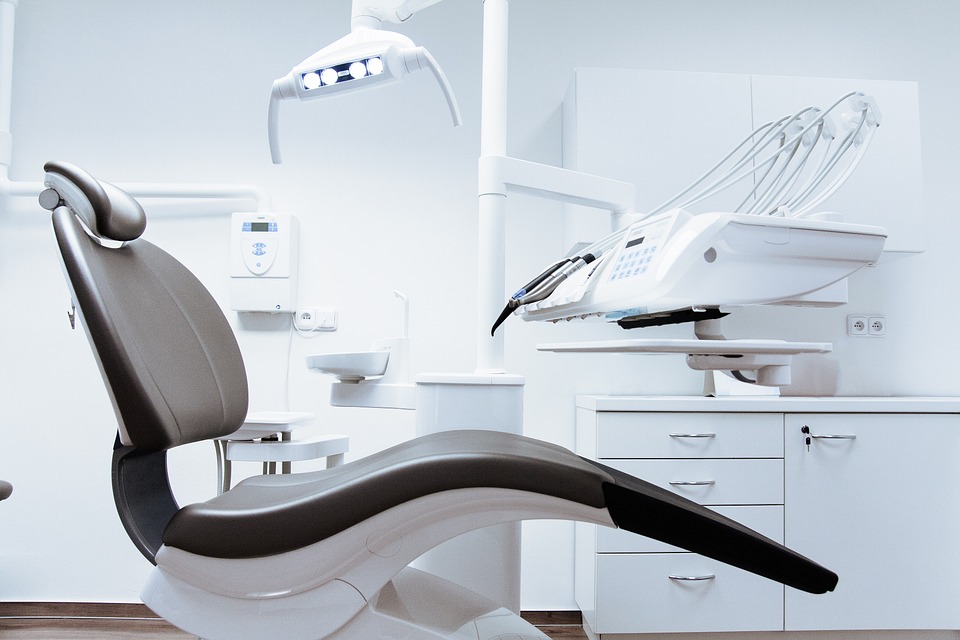
As we navigate an increasingly digital world, the ways in which we manage our time and appointments are evolving rapidly. The healthcare sector, in particular, stands on the brink of a transformation, driven largely by technology. For clinics hoping to enhance patient satisfaction, streamline operations, and ultimately improve outcomes, integrating a robust booking system is more than just a trend—it’s a necessity. Changing Patient Expectations The rise of technology has fundamentally altered patient expectations. Today’s patients are accustomed to seamless digital interactions in nearly every aspect of their lives—from online shopping to dining reservations. When it comes to healthcare, the demand for convenience and efficiency is no different. A recent survey by Health Catalyst found that 67% of patients prefer to book appointments online, yet many clinics still rely on outdated methods of scheduling, such as phone calls and in-person visits. Patients crave the ability to manage their schedules according to their own preferences, which is where booking systems come into play. By enabling online booking, clinics can not only meet these expectations but exceed them, positioning themselves as leaders in patient care and service. Streamlined Operations and Reduced No-Shows One of the driving forces behind the implementation of booking systems is the potential for streamlined operations. A well-designed system can automate numerous tasks, such as appointment reminders and confirmations, thus reducing the administrative burden on staff. This not only frees up resources for more critical tasks but also ensures a smoother workflow within the clinic. Moreover, missed appointments can take a toll on both clinic revenue and patient care. According to the American Medical Association, approximately 30% of scheduled appointments result in no-shows. Booking systems mitigate this issue by implementing automatic reminders via email or SMS, drastically reducing patient no-shows and improving overall clinic efficiency. Enhancing Patient Engagement In an era where patient engagement is crucial to successful healthcare delivery, booking systems play a pivotal role. With features such as patient portals, these systems allow individuals to not only schedule appointments but also access their medical records, lab results, and educational materials relevant to their health conditions. Such capabilities create a more informed patient who feels empowered to take charge of their health—a key factor in fostering trust and loyalty. In fact, a study from NCBI revealed that engaged patients are more likely to adhere to treatment plans and follow-up appointments, enhancing their overall health outcomes. Analytics and Performance Insights Beyond patient engagement and operational efficiency, booking systems provide invaluable analytics that can drive a clinic’s decision-making process. Metrics such as appointment volume, peak booking times, and patient wait times can offer insights into how well a clinic is performing and identify areas for improvement. For instance, if a clinic notices an increase in no-shows on certain days or times, they might consider adjusting their availability or implementing targeted reminder strategies. Such data-driven decisions can contribute to higher patient retention rates, better staffing strategies, and ultimately, improved patient satisfaction. Choosing the Right Booking System The variety of booking systems available can be overwhelming, but understanding the essential features can simplify the selection process. Here are some considerations clinics should keep in mind: User-Friendly Interface: The system should be intuitive for both staff and patients. Customization: Look for systems that offer flexibility to fit the specific needs of the clinic. Integration Capabilities: Opt for solutions that easily integrate with existing electronic health records (EHR) systems. Mobile Compatibility: A responsive design is crucial, as many patients prefer booking appointments via mobile devices. Security and Compliance: Ensure the system complies with HIPAA regulations to protect patient data. Case Studies: Clinics Leading the Change Numerous clinics across the globe have recognized the potential of booking systems and have successfully integrated them into their operations. For example, a dermatology clinic in California implemented an online booking system and saw a 40% reduction in no-shows within the first six months. Patients appreciated the ease of scheduling appointments that fit their busy lives. Another example can be found in the UK, where a dental clinic reported increased patient retention after adopting a comprehensive booking software that allowed patients to manage their appointments and reminders easily. As a result, the clinic experienced an uptick in referrals and patient satisfaction. Conclusion: A Necessity, Not an Option As the healthcare landscape continues to evolve, the need for clinics to adopt modern technologies becomes increasingly evident. A booking system is not merely a convenience; it is foundational for enhancing patient experiences, minimizing operational inefficiencies, and improving health outcomes. Clinics that recognize this necessity will not only attract more patients but also deliver the cohesive care that modern consumers demand. Investing in a booking system today isn’t just about keeping up with the competition—it’s about paving the way for the future of healthcare, where every appointment is a step toward enhanced patient engagement and care satisfaction.
Efficiency at Your Fingertips: How Clinic Booking Systems Transform Healthcare

In an era where convenience is king, the healthcare industry is rapidly embracing technology to enhance patient experiences and streamline operational efficiency. One of the most significant advancements in this transformation is the adoption of clinic booking systems. These digital solutions are reshaping how healthcare providers manage appointments, optimize schedules and improve patient access to care. Let’s explore how these systems are dynamically altering the landscape of healthcare and what the future may hold. The Rise of Clinic Booking Systems As patient expectations evolve, so does the demand for more efficient and user-friendly healthcare services. Traditional methods of scheduling appointments—phone calls, paper forms, and in-person visits—are cumbersome and often lead to long wait times and scheduling conflicts. According to a report by the Healthcare Information and Management Systems Society (HIMSS), 70% of patients prefer online booking options, highlighting a clear shift towards digital solutions. Clinic booking systems offer a variety of features, such as online appointment scheduling, automated reminders, and patient self-check-in. These systems not only improve the patient experience but also reduce administrative burdens on healthcare staff, allowing them to focus on what truly matters: patient care. Enhancing Patient Access Convenience is paramount in today’s fast-paced world. With the rise of telehealth services, patients now expect the ability to book appointments at their convenience, without the necessity of picking up the phone. Clinic booking systems fulfill this requirement by enabling patients to schedule their appointments via a user-friendly online interface, available 24/7. A study published in the Journal of Health Communication notes that patients who use online booking systems are more likely to attend their appointments. This is attributed to improved engagement and a sense of ownership over their healthcare processes. With features such as calendar synchronization and the flexibility to reschedule or cancel appointments online, patients are empowered to manage their health more effectively. “The ability to book an appointment online has transformed how I engage with my healthcare provider. Gone are the days of playing phone tag.” – Sarah T., patient Operational Efficiency for Providers Clinic booking systems not only benefit patients but also significantly enhance operational efficiency for healthcare providers. By automating appointment scheduling, healthcare facilities can minimize double-bookings and reduce no-show rates, which can be detrimental to a practice’s bottom line. According to a report from the American Journal of Managed Care, no-show rates can be as high as 30%, leading to lost revenue and inefficient use of resources. By sending automated reminders via SMS or email, clinic booking systems reduce these rates by keeping patients informed and engaged. Consequently, providers can optimize their schedules, leading to better resource allocation and improved patient care. Integrating Health Records Many contemporary clinic booking systems seamlessly integrate with Electronic Health Records (EHR). This integration is a game-changer, providing healthcare providers with immediate access to a patient’s medical history, allergies, and previous appointments. Such access not only enhances the efficiency of ongoing patient care but also ensures accuracy in treatment decisions. As noted by the Office of the National Coordinator for Health Information Technology, integrated systems streamline workflows and reduce clinical errors, translating into enhanced patient safety and better health outcomes. When healthcare providers can easily access relevant patient information during the appointment booking process, they are equipped to deliver personalized and timely care that meets the unique needs of each patient. Customizable Features for Diverse Needs The flexibility and customization options that clinic booking systems offer are also noteworthy. Different healthcare specialties have distinct operational requirements. A pediatrician, a dental office, and a physical therapy clinic all need tailored solutions that cater to their unique patient demographics and scheduling complexities. Many clinic booking systems come with customizable features that allow healthcare providers to adjust their scheduling preferences, categorize appointments, and set specific time slots for different types of services. This adaptability is crucial for managing busy healthcare environments, especially during peak hours. Facing Challenges Ahead Despite the myriad benefits, implementing clinic booking systems is not without its challenges. Healthcare providers often face hurdles such as initial costs, system integration issues, and resistance to change from staff. According to a survey by the Health Information Management Association, one in five healthcare organizations reported significant struggles during the transition to digital booking systems. To counter these challenges, healthcare organizations must invest in comprehensive training for staff, ensuring that everyone is on board with the technological shift. Moreover, selecting the right vendor who understands the unique nuances of a healthcare practice is critical to minimizing disruptions during the implementation phase. The Future of Clinic Booking Systems The future of clinic booking systems is promising. With the integration of Artificial Intelligence and machine learning, we can anticipate even smarter scheduling solutions that predict patient needs based on historical data. Additionally, the potential for telehealth services to be integrated directly into booking systems will further enhance patient convenience and accessibility. As we venture deeper into this digital age, it becomes increasingly clear that efficiency is no longer a luxury but a necessity in healthcare. The evolution of clinic booking systems signifies a remarkable step forward in meeting the needs of both patients and providers. Ultimately, these innovations will pave the way for a healthier future where access to care is as straightforward as a few clicks of a button.
Streamlining Patient Care: The Benefits of a Modern Clinic Booking System

Introduction In the fast-paced realm of healthcare, efficiency is paramount. Patients increasingly expect convenience, while healthcare providers strive for optimized workflows. A modern clinic booking system serves as a linchpin in this endeavor, ushering in a new era of streamlined patient care and administrative efficacy. The Shift to Digital Solutions Traditionally, appointment scheduling relied heavily on phone calls, paper logs, and manual calendars. This method not only consumed valuable time but often led to miscommunication, errors, and inefficiencies that compromised patient care. Today, healthcare facilities are embracing advanced digital solutions, with clinic booking systems leading the charge. Integration of Technology Modern booking systems harness cloud technology, enabling seamless access to patient data and scheduling from any location. This eradicates dependencies on physical records and office hours, allowing healthcare providers to manage appointments more effectively. According to a survey by the Healthcare Information and Management Systems Society (HIMSS), 62% of healthcare organizations reported enhanced operational efficiency after implementing a digital booking system. Benefits of a Modern Clinic Booking System The advantages of a contemporary clinic booking system are manifold, directly impacting both healthcare providers and patients. 1. Enhanced Patient Experience Patients now enjoy the convenience of online scheduling, often through user-friendly apps or websites. Features such as real-time availability, reminders, and rescheduling options empower patients to take control of their healthcare journey. “A streamlined booking experience not only improves patient satisfaction but also reduces no-shows significantly.” Studies reveal that clinics employing automated reminders witness a reduction in no-show rates by up to 50%. This improvement not only benefits patients but also optimizes clinic revenues, allowing for better resource allocation. 2. Efficient Resource Management With a modern clinic booking system, practitioners can optimize their schedules based on real-time data. By analyzing patient flow and appointment patterns, clinics can better manage their staff and resources. For instance, clinics can assess peak hours and adjust staffing levels accordingly, reducing wait times and enhancing overall operational efficiency. This agility in resource management helps maintain high quality in patient care, ensuring that practitioners are available when patients are most in need. 3. Comprehensive Data Analytics Data analytics capabilities embedded within contemporary booking systems offer clinics invaluable insights into patient behaviors and preferences. By analyzing this data, practitioners can tailor their services more effectively. Furthermore, tracking trends such as appointment cancellations, no-shows, and patient demographics allows clinics to refine their strategies, ultimately enhancing the patient experience. Reducing Administrative Burden Administrative tasks such as appointment confirmations, cancellations, and documentation consume a considerable amount of healthcare staff’s time. This is where an automated booking system shines. By minimizing manual inputs, staff can redirect their efforts toward patient care and interaction. Moreover, the integration of telehealth options within booking systems also proves beneficial, enabling clinics to cater to a broader audience without the traditional constraints of physical visits. The COVID-19 pandemic has accelerated this shift, with a surge in telemedicine adoption illustrating the importance of adaptable scheduling systems. Security and Compliance With increasing cyber threats, the importance of data security in healthcare cannot be overstated. Modern booking systems prioritize patient privacy by employing advanced security measures to protect sensitive information. These systems comply with healthcare regulations like HIPAA (Health Insurance Portability and Accountability Act), ensuring that patient data remains confidential and secure. By utilizing these secure systems, healthcare providers can foster trust with their patients, knowing that their information is well-protected. Challenges and Considerations Despite the numerous benefits, transitioning to a modern clinic booking system is not without its challenges. The costs associated with software implementation, staff training, and ongoing maintenance can be significant, particularly for smaller clinics. Moreover, not all patients are comfortable with technology. Ensuring that all demographics can access and utilize these systems effectively is crucial. Providing alternative methods for scheduling and addressing potential technological barriers can help create an inclusive environment. Conclusion The investment in a modern clinic booking system represents a significant step toward improving patient care and operational efficiency. By embracing technological advancements, healthcare providers can streamline processes, enhance the patient experience, and ultimately provide higher standards of care. As the healthcare landscape continues to evolve, adopting innovative solutions will be essential in meeting the demands of today’s patients and healthcare providers alike. A modern clinic booking system is not just a convenience, but a critical component in the journey of delivering exceptional patient care.