

Inside the Womb: The Incredible World of 3D Baby Imaging

Expectant parents often find themselves immersed in a world of anticipation, excitement, and a palpable sense of wonder as they await the arrival of their new baby. In the age of advanced technology, the experience has transformed significantly, particularly with the advent of 3D baby imaging. This innovative form of prenatal imaging offers a breathtaking glimpse inside the womb, showcasing features and details that were once impossible to see. The Evolution of Prenatal Imaging The journey of prenatal imaging began with the development of traditional 2D ultrasound in the 1950s. The technology rapidly evolved throughout the decades, leading to the introduction of 3D imaging in the 1990s. This new capability opened doors to more comprehensive visualizations of the fetus, allowing not just for assessments of health but also glimpses into the baby’s unique features. What is 3D Baby Imaging? 3D baby imaging is a technique that uses sound waves to produce three-dimensional images of the fetus in the womb. Unlike traditional 2D ultrasounds, which provide flat images, 3D ultrasound offers a more intricate view. The technology captures multiple 2D images simultaneously and then compiles them into a three-dimensional model. This model presents a detailed perspective of the baby’s facial features, movements, and even certain physical conditions. The Benefits of 3D Imaging One of the primary advantages of 3D imaging is its ability to enhance prenatal care. Medical professionals can assess fetal development more accurately and identify potential abnormalities, such as cleft lip or spine problems. Early detection of such conditions can lead to better management and care for both the baby and mother. Apart from health benefits, expectant parents often opt for 3D imaging for the emotional experience it provides. Witnessing their baby’s facial features, expressions, and movements can create a deeper bond even before birth. Many parents cherish these images and share them with family and friends, celebrating the pregnancy journey. Understanding the Technology The technology behind 3D imaging involves advanced ultrasound equipment. Using high-frequency sound waves, these machines create images based on the echoes bounced back from tissues and fluids in the body. For parents interested in 3D imaging, the procedure is generally safe and non-invasive. However, the American Institute of Ultrasound in Medicine advises that these imaging sessions should not replace routine medical ultrasounds but rather complement them for additional enjoyment and bonding. Limitations and Concerns While the technology is captivating, some limitations exist. For instance, the quality of 3D images can depend on various factors, including the baby’s position, maternal body type, and the gestational age. Sometimes, the images might not provide a clear view, requiring a follow-up session. Moreover, there are ethical considerations surrounding the use of 3D imaging. Critics argue that excessive commercial use of 3D scans can lead to unnecessary anxiety and medical interventions. Some experts warn that the primary purpose of ultrasounds should focus on monitoring fetal health rather than serving as mere visual keepsakes. The Future of Child Imaging As technology continues to advance, the future of prenatal imaging is promising. Innovations such as 4D ultrasound, which adds a time element to the 3D images, will allow parents to see their baby moving in real-time. Additionally, artificial intelligence and machine learning might play a role in refining the images and identifying potential health issues with improved accuracy. Conclusion: A Window to the Future In the grand narrative of human development, the journey begins long before birth. 3D baby imaging acts as a fascinating window into this world, providing expectant parents with an intimate glimpse of their future child. While the technology continues to evolve, its ability to foster a connection between parents and their unborn children remains its most profound benefit. As we embrace these advancements, it’s essential to remember that the images do not just represent the technology, but the beginning of a lifelong relationship, a heartbeat echoing from the womb to the world.
Seeing is Believing: The Magic of 3D Baby Scans
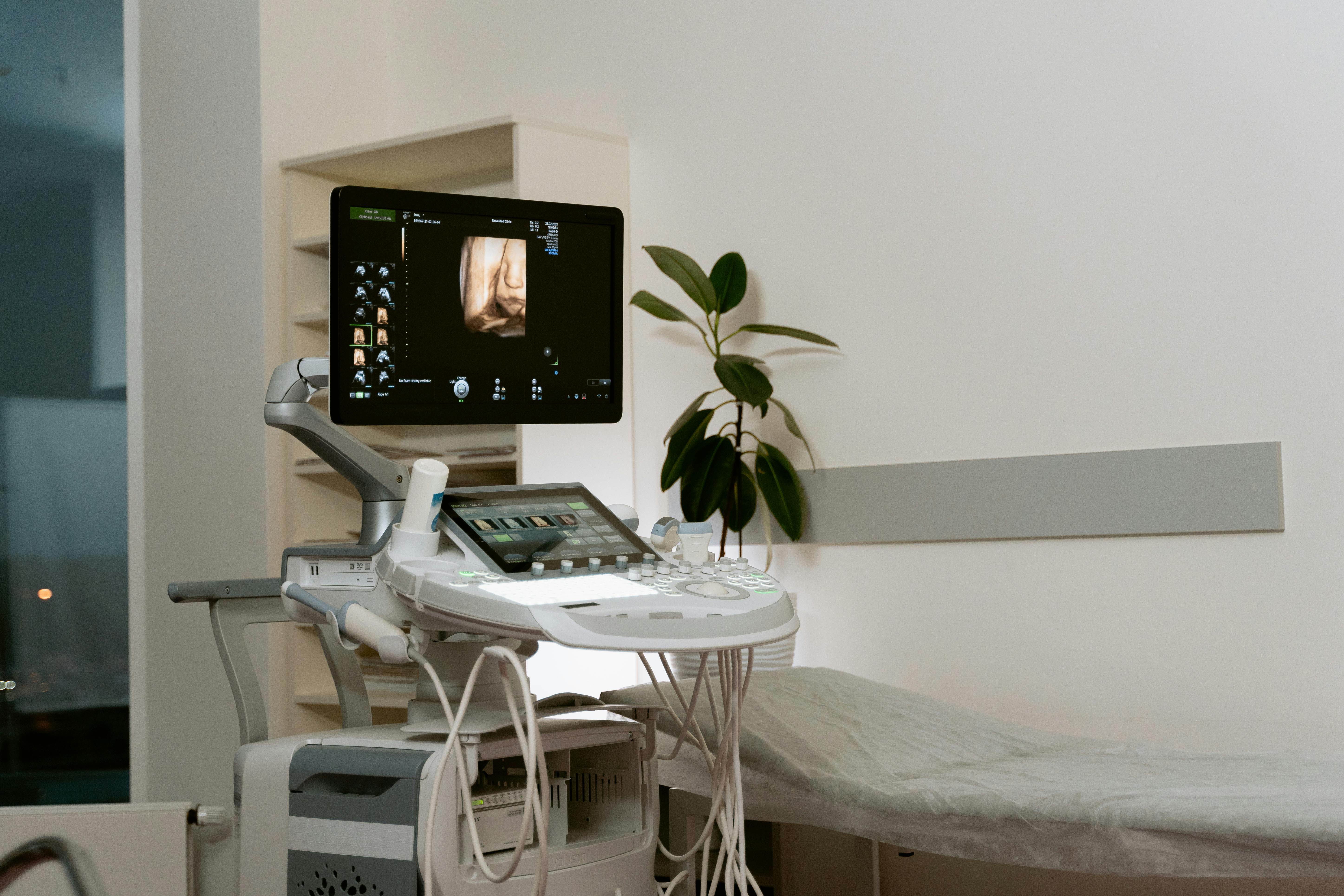
In a world where technology continually reshapes our experiences, one innovation stands out as a beacon of hope, excitement, and connection for expectant parents—3D baby scans. These remarkable imaging techniques have transformed prenatal care, allowing parents to glimpse their unborn children in striking detail. But what exactly are 3D baby scans, and why have they captivated so many hearts? Understanding 3D Baby Scans 3D baby scans utilize advanced ultrasound technology to create three-dimensional images of a fetus in the womb. Unlike traditional 2D ultrasound images, which depict flat, monochrome outlines, 3D scans provide a more lifelike view, showcasing the contours of a baby’s face, the curl of tiny fingers, and even the form of their little legs. The process involves sending sound waves into the mother’s abdomen, which bounce back to create images. With the aid of sophisticated computer software, these sound waves are transformed into realistic images that provide a clearer and more detailed view of the fetus. Some clinics even offer 4D scans, which add the element of animation, capturing real-time movements and allowing families to witness their baby’s kicks, yawns, or smiles. A New Level of Connection The ability to see a baby before birth fosters a profound emotional bond between parents and their unborn child. For many, the experience of seeing their baby’s face for the first time becomes a cornerstone memory in their journey to parenthood. This emotional connection is particularly important for parents who may have experienced previous pregnancy complications or loss. Knowing their baby is healthy and developing normally can alleviate anxiety and create a more positive experience as they await the arrival of their child. Moreover, 3D scans can fulfill parents’ natural curiosity to “meet” their baby before delivery. Often accompanied by a sense of awe, the experience can feel like stepping into a magical world where the boundaries of time and space blur. It gives parents a sneak peek into their child’s personality, as some say they can already see traces of family traits—be it a father’s nose or a mother’s smile. The Role of Technology in Prenatal Care While the emotional aspect of 3D scans is undeniable, these advanced imaging techniques also play a significant role in prenatal healthcare. Healthcare professionals utilize 3D ultrasound images for crucial assessments of fetal growth and development, identifying potential anomalies or issues early in the pregnancy. Some studies suggest that 3D imaging may be more accurate in detecting conditions like cleft lip or palates compared to traditional ultrasound methods. This capability allows practitioners to prepare for any necessary interventions and gives parents insight into what to expect during delivery. Despite the excitement surrounding them, 3D and 4D scans come with ethical considerations. Health professionals emphasize that these scans should not replace standard prenatal care but rather complement it. They serve primarily for informational and bonding experiences rather than diagnostic purposes. Cultural Perspectives on 3D Imaging The popularity of 3D baby scans isn’t limited to one culture or geography; it resonates globally. In various cultures, visualizing an unborn child is seen as a unique rite of passage, a way of embracing the new life that is about to enter the world. In some societies, expecting parents host gatherings where family and friends can witness live 3D or 4D scans, turning the experience into a communal celebration. However, cultural attitudes towards prenatal imaging might differ. Some cultures place a heavy emphasis on gender predictions, modifying the experience to unearth the sex of the unborn child, while others focus on overall health without regard to gender. While the technological capabilities can accommodate these desires, healthcare professionals advocate for a balanced approach, encouraging parents to engage with the imaging as part of a larger dialogue about pregnancy and childbirth. The Future of 3D Baby Scans The future of 3D baby scans holds incredible potential. Advances in imaging technologies promise even more detailed and nuanced pictures that could further enhance parent-child bonding. Moreover, the integration of virtual reality (VR) could allow parents to immerse themselves in a virtual experience of seeing and interacting with their baby in real time. Nonetheless, the advent of new technologies must always be accompanied by ethical practices. Expecting parents should be educated on the limitations and intended uses of these scans, ensuring that the primary goal remains focused on health and well-being. Conclusion The magic of 3D baby scans transcends the simple visual experience; it encapsulates the journey of parenthood—the curiosity, the joy, and the emotional connections forged long before the first breath is taken. As technology continues to evolve, the bond between expectant parents and their babies is likely to deepen, making the process of awaiting a new life even more magical and enriching. Seeing may indeed be believing, but it’s also about embracing a life filled with hope and anticipation.