

Don’t Get Left in the Waiting Room: Essential FAQs for Clinic Appointments

In today’s fast-paced world, we often find ourselves managing multiple responsibilities, from work deadlines to family commitments. When it comes to healthcare, navigating clinic appointments should ideally be straightforward, but it can often feel overwhelming. To simplify the experience, we’ve compiled a list of frequently asked questions (FAQs) that will prepare you for your upcoming appointment and ensure you get the most out of your visit. 1. What Should I Bring to My Appointment? Preparation can make a significant difference in the efficiency of your medical appointment. Here’s a checklist of items you should consider bringing with you: Insurance Card: Always have your current insurance information readily available. Identification: A government-issued ID or a similar document helps verify your identity. Medication List: A comprehensive list of your current medications, including dosages and frequency. Medical History: Any pertinent medical records, previous test results, or summaries of past appointments can help your doctor understand your health better. Questions List: Prepare a list of questions or concerns you’d like to discuss during the appointment. 2. How Early Should I Arrive? Arriving early is often recommended. Most clinics suggest arriving at least 15-30 minutes before your scheduled appointment time. This allows you to: Complete any required paperwork. Provide updated information to the front desk staff. Relax and reduce anxiety before your appointment. 3. What if I Need to Cancel or Reschedule? Life is unpredictable, and sometimes plans change. If you need to cancel or reschedule your appointment, notify the clinic as soon as possible. Most clinics require at least 24 hours’ notice to avoid cancellation fees and to allow them to fill the slot with another patient. Consistent cancellations can result in restricted scheduling options in the future. 4. Will My Initial Consultation Involve Extensive Testing? Initial consultations typically involve a thorough assessment of your health. While some tests may be conducted during your first visit, such as blood pressure checks or blood tests, extensive testing usually occurs only if the doctor deems it necessary based on your symptoms and medical history. Nevertheless, be prepared for some basic evaluations during your initial appointment. 5. What Should I Expect During My Appointment? Understanding what to expect can ease anxiety and help you feel more comfortable. Here’s a brief overview: Check-In: Fill out any necessary forms and verify your personal and insurance information. Consultation: Discuss your medical history and current concerns with the healthcare provider. Be honest and open to ensure accurate evaluations. examination: Depending on your needs, the doctor may perform a physical examination or suggest necessary tests. Follow-Up Plan: Expect to discuss further steps, prescribed medications, or referrals to specialists if required. 6. Can I Bring Someone to My Appointment? Yes! Bringing a friend or family member can be beneficial. They can provide support, help remember important information, and even assist in asking questions. Just ensure that the person accompanying you understands the privacy constraints that may occur, especially if sensitive health topics arise. 7. How Will This Appointment Affect My Future Healthcare? Your initial visit often sets the stage for ongoing care. The provider might schedule follow-up appointments, prescribe medications, or recommend lifestyle changes. Maintaining open lines of communication with your healthcare provider will be crucial for managing your health effectively in the long run. 8. What If I Am Uncomfortable Discussing Certain Health Issues? Your comfort matters significantly in a clinical setting. If certain topics are uncomfortable for you, communicate this openly with your healthcare provider. They are trained professionals and will handle sensitive matters with the confidentiality and respect they deserve. Remember, your health is the priority. 9. How Can I Maximize My Time with the Doctor? Time during appointments is often limited. To maximize it: Be concise when describing your symptoms. Avoid distractions, such as phone notifications, during the conversation. Stick to your list of prepared questions and address them upfront. 10. What Should I Do After the Appointment? After your visit, take time to review any instructions given by your healthcare provider: Make a note of any follow-up appointments. Follow through with prescribed treatments, medications, or tests. If you have any lingering questions or concerns, don’t hesitate to reach out to the clinic for clarification. Conclusion Healthcare experiences should empower rather than overwhelm. Being prepared for your clinic appointment can make a world of difference in how you perceive your healthcare journey. By understanding what to expect, what to bring, and how to communicate effectively with your healthcare provider, you’ll ensure a productive visit that prioritizes your health above all else. Don’t hesitate to pave the way for better health—be proactive, and always ask questions. Your wellbeing depends on it!
Everything You Need to Know About Your Upcoming Scan Appointment

Understanding the Basics of Your Scan Appointment Your upcoming scan appointment can seem daunting, but understanding the process can alleviate much of the anxiety associated with it. Scans are commonly used in healthcare to diagnose, monitor, and treat medical conditions. Whether it’s an X-ray, MRI, CT scan, or ultrasound, the primary aim is to provide clarity on what’s happening inside your body. What is a Scan? A medical scan is a non-invasive imaging technique used to create visual representations of the interior of a body for clinical analysis and medical intervention. These scans can help detect diseases, guide treatment, and monitor healing processes. Types of Scans X-ray: Often the first imaging method used, X-rays can reveal fractures, infections, and abnormalities. CT Scan: Computed Tomography scans provide cross-sectional images and are excellent for diagnosing internal injuries and tumors. MRI: Magnetic Resonance Imaging uses strong magnets and radio waves to produce detailed images of organs and tissues, particularly useful for brain and soft tissue analysis. Ultrasound: This technique uses sound waves to create images of organs and structures within the body, frequently utilized in prenatal care. Preparation: What You Need to Know Proper preparation can significantly affect the outcome of your scan. Depending on the type of scan, there may be specific instructions to follow: Fasting and Medication For certain scans, particularly CT scans that use contrast material, fasting for several hours before the appointment may be required. Always check with your healthcare provider about medications you should take or avoid. Clothing and Accessories Wear comfortable, loose-fitting clothing free of metal zippers, belts, or anything that may interfere with the scan. Most facilities will provide a gown for you to wear. Arriving at the Facility Arrive at least 15 minutes early to allow for check-in and any necessary paperwork. Bring any ID, insurance cards, and a list of medications you’re taking. The Day of Your Appointment: What to Expect Understanding the process can help reduce anxiety on the day of your scan. Here is what typically happens during the appointment: Check-In You will begin with the check-in process, where you’ll provide your information and any documentation required by the imaging facility. Consultation and Q&A A technician will discuss the procedure with you, explaining what to expect and answering any of your questions to ensure you feel comfortable. The Scan Process During the scan itself, you will be positioned on a table or bed that will slide into the scan machine. Most scans only take a few minutes, though preparing for and obtaining images may take longer. Staying still is crucial for clear images. After the Scan: What Happens Next? Once the scan is complete, you can often resume normal activities immediately. However, if you received a sedative, make arrangements for someone to drive you home. Receiving Results Your doctor will review the images and will typically contact you with the results within a few days to discuss findings and next steps. In some cases, an urgent finding may prompt quicker communication. Common Concerns and Misconceptions It’s normal to have concerns about your scan. Here are some common misconceptions: “Scans are Always Dangerous” While scans like CTs do use radiation, the amount is usually very low and is deemed safe for diagnostic purposes. The benefit often outweighs any risk posed by radiation exposure. Medical professionals consider the safety of each scan before they recommend it. “I Can’t Speak During the Scan” While it’s important to stay still, you can ask questions or address concerns with the technician before the scan begins. They will ensure you feel informed and comfortable. Helpful Tips for a Stress-Free Experience Tips for Your Scan Appointment Bring a friend or family member for support, especially if you’re anxious. Practice relaxing techniques, such as deep breathing, before your appointment. Keep a list of questions or concerns ready for the technician or doctor. Stay positive and remember the scan is a step toward your health. Conclusion Your scan appointment doesn’t have to be a source of anxiety. Armed with the right knowledge and preparation, you can approach it with confidence. Remember, the purpose of these scans is to help you and your healthcare provider make informed decisions about your health. With every scan, you’re one step closer to understanding your body better.
The Ultimate Ultrasound Clinic Face-off: Features, Costs, and Patient Experiences

Ultrasound clinics have become a vital part of healthcare, offering diagnostic imaging that can dramatically affect treatment plans. However, not all ultrasound clinics are created equal. As patients prepare for scans, they often wonder about the features, costs, and experiences offered by different clinics. This article explores several ultrasound clinics, providing insights into what they offer and how they compare. 1. Clinic A: Advanced Imaging Solutions Features State-of-the-art 3D imaging technology Online appointment booking Immediate results available Wide range of ultrasound services including obstetric, abdominal, and musculoskeletal scanning Cost Clinic A offers competitive pricing, with most services ranging from $150 to $400, depending on the type and complexity of the scan. Patient Experiences Patients praise Clinic A for its friendly staff and efficient service. Many appreciate the ability to receive results on the same day. “I felt very comfortable, and the technology they use made it an easy experience,” says Sarah, a first-time mother who had her ultrasound at this clinic. 2. Clinic B: Affordable Imaging Center Features Budget-friendly ultrasound services Walk-ins welcome Basic 2D imaging capabilities Focus on customer service and quick appointments Cost Clinic B is known for its affordability, with scans starting at just $99. Their pricing structure is straightforward, with no hidden fees. Patient Experiences Patients often commend Clinic B for its accessibility and low prices. “I was in and out within 30 minutes, and it didn’t break my bank,” shares Mike, who recently had an abdominal ultrasound. However, some patients mentioned that the facilities could use modern upgrades. 3. Clinic C: Premium Imaging Specialists Features High-end ultrasound machines with advanced imaging capabilities Comfortable and relaxing atmosphere Specialized services in various fields such as cardiology and vascular imaging Mobile app for tracking appointments and accessing results Cost At Clinic C, patients can expect to pay a premium, with services ranging from $500 to $800. The high-quality service reflects the investment in technology and patient comfort. Patient Experiences Many patients rave about the luxurious experience at Clinic C. “The atmosphere was serene, and the staff were incredibly professional,” says Jessica, who was impressed with the specialized care she received. However, the high costs have deterred some individuals seeking more budget-friendly options. 4. Clinic D: Community Health Imaging Features Community-focused approach Staffed by certified sonographers Offers educational resources for patients Partnerships with local healthcare providers Cost Clinic D offers a balanced pricing model, with services available for $120 to $300, based on the type of ultrasound. Patient Experiences Patients often mention the supportive environment. “They really take the time to explain the process, which made me feel less anxious,” recounts John, who visited for a routine check. The clinic’s dedication to patient education is frequently highlighted in reviews. 5. Clinic E: Neighborhood Ultrasound Services Features Convenient locations Flexible hours including weekend availability All digital imaging for quick access Special discounts for returning patients Cost Clinic E remains competitive, offering services from $130 to $350. They provide various discounts for repeat patients and referral bonuses. Patient Experiences Patients often highlight the convenience and efficiency of Clinic E, saying, “I could fit my appointments around my schedule, which was a lifesaver!” This clinic is ideal for those looking for flexibility in their healthcare routine. Conclusion: Making the Right Choice Choosing the right ultrasound clinic involves weighing features, costs, and personal preferences. While Clinic A stands out for advanced technology, Clinic B appeals to budget-conscious patients. Clinic C provides a high-end experience, but at a premium price, while Clinic D focuses on community care. Finally, Clinic E offers flexibility for busy patients. Each option has its strengths, but the best choice will ultimately depend on individual needs and expectations. As the healthcare landscape continues to evolve, patients should feel empowered to research and choose the best clinic for their ultrasound needs. By considering all factors—features, costs, and patient experiences—they can find a clinic that meets their specific requirements and provides quality care.
Navigating Your Maternity Ultrasound: Tips for Hassle-Free Booking

As an expectant mother, the journey to welcoming your little one is filled with excitement and, at times, stress. Among the many milestones in this journey, the maternity ultrasound stands out as a particularly special occasion. It’s not just a medical evaluation; it’s an opportunity to glimpse the future and visualize the life you are nurturing. However, navigating the booking process for this essential procedure can be daunting. Here are some tips to ensure a smooth, hassle-free experience. Understanding the Importance of Maternity Ultrasounds Before diving into the logistical aspects of booking your ultrasound, it’s essential to understand why these scans are so critical. Maternity ultrasounds serve various purposes: Assess the baby’s growth and development. Determine the due date accurately. Identify any potential health issues. Offer a wonderful opportunity for bonding with your baby through those early images. Timing is Everything Pregnancy is often accompanied by excitement and uncertainty, and timing can significantly affect your ultrasound experience. The American College of Obstetricians and Gynecologists generally recommends the following timelines: First Trimester (6-12 weeks): This ultrasound often confirms your pregnancy and checks for a heartbeat. Second Trimester (18-20 weeks): A detailed anatomy scan is performed at this stage to assess the baby’s organs and identify the sex if desired. Tip: Scheduling your ultrasound around these recommended weeks will ensure you receive the most useful information regarding your baby’s health. Choosing the Right Facility Once you’ve determined the appropriate timing for your ultrasound, the next step is choosing a facility. Here are some factors to consider: Location: Find a location that is convenient for you to access, especially later in your pregnancy when mobility might become an issue. Reputation: Consider facilities highly rated by other patients. Online reviews and word-of-mouth references can provide valuable insights. Equipment and Technology: Ensure the facility uses up-to-date technology for accurate results. Staff Expertise: Look for places employing certified sonographers and experienced medical staff. Getting Referrals Consultation with your healthcare provider is a vital step in the booking process. Your obstetrician or midwife can guide you to reliable facilities and may even have preferred places for ultrasound imaging. They can also provide the necessary referrals to streamline your appointment booking. Tip: Ask your provider not only about where to go but also about your specific needs regarding the ultrasound—be it a regular check-up or a more detailed evaluation. This clarity will help in making the right booking choice. Booking Your Appointment Once you’ve selected a facility, it’s time to book your appointment. Here’s how to make this process as seamless as possible: Plan Ahead: Don’t wait until the last minute to book your ultrasound. Many facilities get busy, especially during peak pregnancy times, so try to schedule it a few weeks in advance. Understand Your Insurance: Contact your insurance provider to clarify what ultrasound services are covered and if you need pre-authorization. Typically, prenatal ultrasounds are covered, but it’s better to confirm. Gather Necessary Information: Prepare your medical history, current medications, and any questions or concerns you want to discuss. This preparation can streamline your appointment day. Confirm Your Appointment: A day or two before your scheduled ultrasound, call the facility to confirm the time and any instructions you might need to follow (e.g., whether to have a full bladder). What to Expect on the Appointment Day On the day of your ultrasound, understanding what to expect can alleviate any anxiety: Duration: An ultrasound may take anywhere from 20 minutes to an hour, depending on the type and complexity. Preparation: Follow any pre-appointment instructions given by the facility. Support: Bring your partner or a loved one to share this incredible experience. Many facilities allow guests to accompany you during the procedure. Tip: Fill your bag with some water to stay hydrated if required, and don’t forget your camera or phone to capture those precious first images! Interpreting Your Ultrasound Results Once your ultrasound is complete, your healthcare provider typically reviews the images. They will discuss the results in detail and answer any questions you may have. It’s vital to communicate openly with your provider during this discussion to ensure you understand everything, as well as the next steps, if any. Conclusion Navigating the maternity ultrasound booking process doesn’t have to be a stressful experience. With careful planning, research, and open communication with your healthcare provider, you can ensure that this essential part of your pregnancy is as smooth and rewarding as possible. Embrace the journey, and enjoy every moment leading up to the remarkable day you meet your baby! © 2023 Pregnancy and Parenting Guide. All rights reserved.
Demystifying Ultrasound: Tips for a Smooth Experience
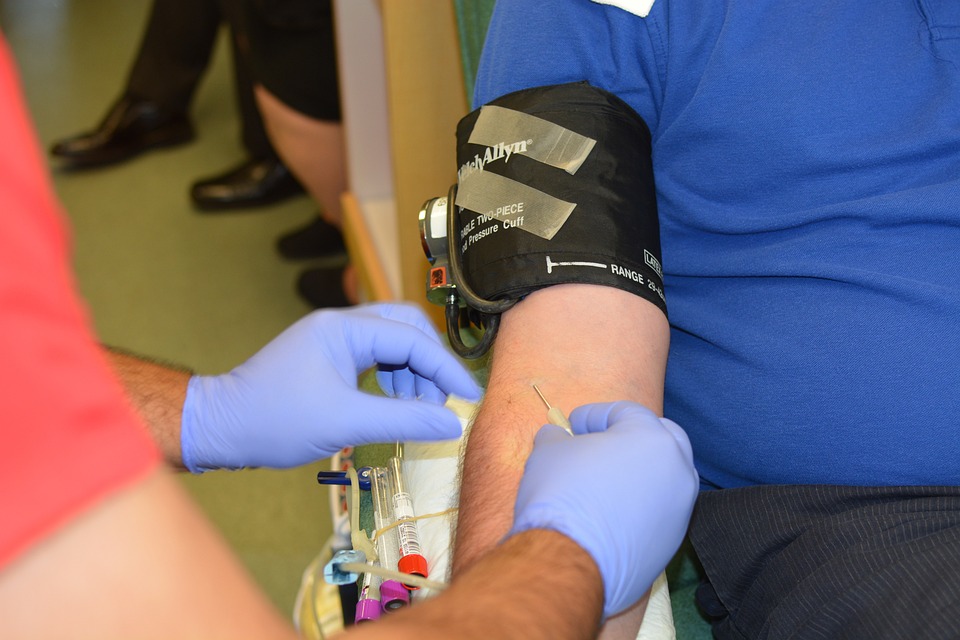
Understanding Ultrasound: A Brief Overview Ultrasound is a medical imaging technique that utilizes high-frequency sound waves to create images of the inside of the body. It is commonly employed in obstetrics for monitoring fetal development but serves a variety of purposes such as examining organs, tissues, and blood flow. While the technology might seem daunting, understanding the process can alleviate anxiety and ensure a smoother experience. Here are some essential insights and tips to demystify ultrasound procedures. What to Expect During an Ultrasound Before your ultrasound appointment, it’s vital to know what the procedure entails. Knowing what to expect can ease any nervousness you might have. Preparation: Depending on the type of ultrasound, you might need to follow specific guidelines. For example, a full bladder is often required for pelvic ultrasounds, while fasting may be necessary for abdominal ones. Duration: Most ultrasound procedures take about 15 to 30 minutes, although some may take longer depending on the area being examined. Process: The technologist will apply a gel to your skin, which helps conduct sound waves. A transducer is then moved over the area of interest, capturing images in real time. Common Types of Ultrasound Ultrasounds can be categorized into various types, each tailored to specific diagnostic needs: Abdominal Ultrasound: Used to examine organs such as the liver, gallbladder, and kidneys. Pelvic Ultrasound: Often used during pregnancy, this type assesses the fetus and monitors reproductive organs in women. Transvaginal Ultrasound: A probe is inserted into the vagina to get a closer view of female reproductive organs. Cardiac Ultrasound: Also known as an echocardiogram, this exam looks at the heart’s structure and function. Tips for a Smooth Ultrasound Experience Preparation can make a significant difference in your ultrasound experience. Here are some handy tips: 1. Follow Pre-Appointment Instructions Your healthcare provider will give instructions specific to your type of ultrasound. Adhering to these guidelines is crucial for accurately obtaining images. Here are some general tips: Hydrate: Drink enough water if required for your ultrasound type, enhancing visibility within your bladder. Avoid Food: If fasting is recommended, skip food intake for the advised duration. 2. Wear Comfortable Clothing Choose clothing that allows easy access to the area being examined. For abdominal ultrasounds, loose-fitting tops can make the process much easier. 3. Arrive Early Arriving a bit early can help you fill out any necessary paperwork without the stress of rushing. It also provides you a moment to adjust to the environment. 4. Communicate with Your Technologist Don’t hesitate to ask questions during the procedure. Understanding the process may help ease your anxiety. The technologist is there to support you and can provide real-time explanations of the procedure. 5. Manage Your Expectations While ultrasound images can be stunning, not all images will be perfect. It’s essential to manage expectations, especially if this is your first experience. In some cases, additional imaging may be needed for a thorough evaluation. What Happens After the Ultrasound? Once the ultrasound is complete, you can usually return to your daily activities immediately. The technologist will not provide results on the spot. Instead, a radiologist will analyze the images and send a report to your doctor, who will discuss the findings with you during a follow-up appointment. Potentials and Limitations Ultrasound is a powerful diagnostic tool with many benefits: Non-invasive and painless. Useful for real-time imaging, particularly in obstetrics. No radiation exposure, making it safer than some other imaging techniques. However, it has limitations. Ultrasound may not provide as much detail as CT or MRI scans, and results can sometimes be inconclusive, necessitating further testing. Understanding these pros and cons can help you appreciate the role ultrasound plays in your healthcare. Conclusion Preparing for an ultrasound can seem intimidating, but knowing what to expect and how to prepare can help reduce anxiety and ensure a smoother experience. The more informed you are about the procedure, the more empowered you will be, whether you are monitoring pregnancy or assessing health concerns. Taking the time to understand ultrasounds can demystify the process and enhance your comfort level during appointments. Always remember, communication with your healthcare team is key; don’t hesitate to reach out with any questions. Your health is a journey, and ultrasounds play an integral part in keeping you on the right path. © 2023 Health Insights. All rights reserved.
The Benefits of Private Pregnancy Clinics: Is Booking Right for You?

When it comes to pregnancy, every decision counts. From prenatal vitamins to birthing plans, expectant parents are often inundated with choices. One significant decision many face is whether to seek care from a private pregnancy clinic or stick with a public healthcare system. This article delves into the benefits of private pregnancy clinics and helps you determine if booking at one is the right choice for you. Understanding Private Pregnancy Clinics Private pregnancy clinics are specialized healthcare facilities that offer a range of services tailored to expectant mothers. They may provide comprehensive prenatal care, specialized monitoring, and personalized birthing plans. Unlike public healthcare systems where services can vary widely, private clinics often emphasize patient-centered care, resulting in a different experience altogether. 1. Personalized Care One of the most significant benefits of private pregnancy clinics is the personalized care they provide. In a private setting, you often have access to the same healthcare provider for your entire pregnancy journey. Continuity of Care: With a consistent provider, you benefit from a deeper understanding of your individual health history and unique pregnancy journey. Tailored Treatment Plans: Providers can design treatment plans tailored specifically to your needs, making adjustments as necessary throughout your pregnancy. 2. Enhanced Facilities and Comfort The environment of private clinics is often more comfortable and welcoming compared to public hospitals. Expecting mothers may find benefits such as: Luxurious Facilities: Many private clinics offer spacious rooms with amenities that can make your stay more pleasant. Shorter Wait Times: With fewer patients to attend to, you’ll likely experience shorter wait times for appointments and procedures. 3. More Control Over Birth Plans Private pregnancy clinics often allow expectant parents more control over their birth plans. Whether you are interested in a natural birth, water birth, or C-section, private clinics can provide a range of options. Flexibility: Many clinics encourage you to specify your preferences for labor and delivery, empowering you in your own birthing experience. Improved Communication: Because of the smaller patient load, you’ll have more opportunities to voice your concerns and preferences directly with your healthcare provider. 4. Specialized Services Many private pregnancy clinics offer specialized services that may not be available in public healthcare settings, including: Advanced Imaging: Clinics often have access to advanced imaging technology for ultrasounds and screenings, providing you with detailed insights into your baby’s health. Complementary Therapies: Some private clinics may offer acupuncture, massage, or nutritional counseling to support your well-being during pregnancy. 5. Increased Availability of Staff Private clinics typically have a better staff-to-patient ratio. This can lead to: Improved Monitoring: Enhanced availability of nurses and doctors means better monitoring of both maternal and fetal health. Emergency Preparedness: In cases of emergency, the availability of dedicated staff can lead to faster and more efficient responses. 6. Privacy and Discretion For many expectant parents, privacy is of utmost importance. Private pregnancy clinics often allow for: Discreet Appointments: You may find it easier to schedule appointments that fit your timetable, ensuring greater discretion. Confidentiality: Private clinics usually place a heavy emphasis on protecting patient information and maintaining confidentiality. Is Booking at a Private Pregnancy Clinic Right for You? While the benefits are clear, the decision to pursue care at a private pregnancy clinic ultimately depends on your personal circumstances, preferences, and financial situation. Here are a few questions to consider: Health Needs: Do you have specific health concerns that would require specialized monitoring or care? Budget: Are you in a position to afford the potential extra costs of private care, including insurance considerations? Experience Expectations: What kind of experience are you hoping for during your pregnancy and delivery? Are personalized care and options important to you? Conclusion Choosing the right path for your pregnancy journey is a deeply personal decision. Private pregnancy clinics offer numerous advantages, including personalized care, enhanced facilities, and increased control over your birthing experience. However, these benefits come at a cost, and it’s essential to consider your health needs, preferences, and budget when making your choice. Ultimately, whether to book at a private pregnancy clinic or stick with the public healthcare system is a decision that should align with your values and requirements. Whichever route you choose, prioritizing your health and that of your baby is what matters most.
Navigating the World of Ultrasound: A Step-by-Step Service Guide

The world of ultrasound is not just a technological marvel; it’s a crucial component of modern medical diagnostics. From pregnancy monitoring to organ examination, the applications of ultrasound are vast and continuously evolving. This feature article serves as a comprehensive guide, breaking down what you can expect during an ultrasound procedure, how to prepare for it, and its implications in healthcare. Understanding Ultrasound Technology Ultrasound imaging (sonography) employs high-frequency sound waves to produce images of structures within the body. Unlike X-rays, which use ionizing radiation, ultrasound is a non-invasive technique that provides real-time imaging, enabling healthcare providers to make quick and accurate diagnoses. Common Uses of Ultrasound Obstetrics: Monitoring fetal development and diagnosing potential issues during pregnancy. Cardiology: Evaluating the heart’s condition using echocardiograms. Abdominal Imaging: Examining organs such as the liver, gallbladder, pancreas, and kidneys. Musculoskeletal: Assessing soft tissue damage and joint disorders. The Step-by-Step Guide to an Ultrasound Procedure Step 1: Scheduling Your Appointment The first step in your ultrasound journey begins with scheduling the appointment. Referrals from physicians or specialists are common, but many clinics also accept walk-in patients. When making an appointment, be prepared to provide your medical history and the reason for your ultrasound. Step 2: Preparing for Your Ultrasound Preparation can vary based on the type of ultrasound you’re having. Here are some common instructions: Fasting: For abdominal ultrasounds, fasting for 6-8 hours before the appointment may be required to obtain clearer images. Full Bladder: Some pelvic ultrasounds call for drinking several glasses of water before the exam to ensure your bladder is full. Clothing: Wear comfortable, loose-fitting clothing. You may be asked to change into a gown. Step 3: Arriving at the Facility On the day of your appointment, arrive at least 15 minutes early. Bring necessary paperwork, identification, and any previous imaging results. Once you check in, you’ll be guided to the ultrasound room. Step 4: The Ultrasound Procedure During the procedure, a healthcare practitioner will apply a gel on the area being examined. This gel helps to transmit sound waves effectively. Here’s what to expect: Positioning: You may lie down on an exam table or sit up based on the area being examined. Transducer Application: A transducer — a handheld device — is moved across the area, emitting sound waves that create images. Image Capture: The ultrasound machine captures real-time images, which the technician may print or save for analysis. Step 5: Post-Procedure Advice After the ultrasound is complete, you may be advised to continue with your normal activities. The gel used will be wiped off, and you should feel no discomfort. Depending on the imaging, results may be available quickly, while others may take a few days for analysis. The Importance of Ultrasound in Healthcare Ultrasound plays a pivotal role in early diagnosis, which can significantly affect treatment outcomes. With technological advancements, the accuracy and applications of ultrasound are expanding: AI Integration: Artificial intelligence is beginning to enhance image interpretation, aiding radiologists. Portable Devices: Point-of-care ultrasound devices allow quick assessments in emergency situations. Training Simulators: Future practitioners train using simulators, improving their hands-on skills. Assembling the Right Information Understanding the implications of your ultrasound results is crucial. Don’t hesitate to ask your healthcare provider questions such as: What do the images show? Are there any areas of concern? What are the next steps in diagnosis or treatment? Conclusion Ultrasound technology continues to evolve and maintain its status as a cornerstone of medical diagnostics. By understanding the step-by-step process of an ultrasound, you can better prepare for and navigate this valuable medical service. With ongoing advancements, the future of ultrasound promises even greater capabilities, potentially leading to quicker diagnoses and improved patient care.
Your Pregnancy Scan Checklist: Booking Tips Every Expecting Parent Should Know

Pregnancy is a beautiful journey filled with anticipation and excitement. Among the various milestones that expecting parents encounter, pregnancy scans play a vital role in monitoring the health and development of the baby. Booking these appointments can often feel overwhelming, but with a little preparation, you can ensure that you’re ready for this crucial step in your pregnancy. Here’s your comprehensive checklist to navigate the process smoothly. Understanding the Types of Pregnancy Scans Before diving into the booking process, it’s essential to understand the different types of pregnancy scans available. These can generally be broken down into three categories: Dating Scans: Typically performed between 8 to 14 weeks, this scan determines your baby’s due date by measuring their size. Anomaly Scans: Usually done around 18 to 20 weeks, this scan checks for physical abnormalities and assesses organ development. Growth Scans: Scheduled later in the pregnancy, these scans monitor the growth and position of the baby and are essential if there are any concerns with fetal growth or amniotic fluid levels. When to Book Your Scans Booking your scans at the right times is crucial. Here are some typical windows for booking each type: First Trimester (8-14 weeks): Book your dating scan as soon as you confirm your pregnancy, ideally before the 14th week. Second Trimester (18-20 weeks): Schedule your anomaly scan around the 20th week, as this is the ideal time for detecting physical anomalies. Third Trimester (28 weeks onwards): Growth scans can be booked based on your healthcare provider’s recommendations and any risk factors that may arise. Top Tips for Booking Your Pregnancy Scans Your Booking Checklist Check Insurance Coverage: Verify whether your health insurance covers pregnancy scans and what types are included. Some providers may have specific requirements. Choose the Right Provider: Research hospitals, clinics, or private practices that offer ultrasound services. Look for reviews and ensure they are accredited. Ask About Availability: Popular clinics may have longer wait times, so book your appointment as early as possible. Calling ahead can save you from unnecessary stress. Clarify Costs: If you’re opting for private scans, be clear about the costs involved, including any additional fees for prints or images. Prepare for the Appointment: Know whether you need a full bladder for certain types of scans. Follow any specific instructions provided by your clinic. Bring Important Information: Prepare a list of questions or concerns you have to discuss with your technician or doctor during the appointment. Plan for Emotional Support: Consider bringing your partner or a friend for emotional support during the scan, especially for the anomaly scan where you’ll see detailed images of your baby. What to Expect During the Scan Attending your pregnancy scans can evoke various emotions, from excitement to anxiety. Here’s what generally happens during the scan: You will be asked to lie down on an examination table, and a technician will apply gel to your abdomen to facilitate the ultrasound waves. The technician will move the ultrasound transducer over your belly to capture images of your baby. You may have the opportunity to see your baby and hear their heartbeat during the scan, providing a truly magical moment. The technician will take measurements and images, which will be analyzed by a radiologist or your healthcare provider. After the Scan: Follow-Up and Next Steps After the scan, your healthcare provider will discuss the results with you. Here are some steps to consider: Understand the Results: Ask questions if you’re unclear about any aspects of the results, including what they mean for your and your baby’s health. Schedule Follow-Up Appointments: Depending on what is discovered during the scan, additional scans or check-ups may be required. Share the Experience: This moment is special, so consider sharing the news with family and friends, depending on your comfort level. Conclusion Booking your pregnancy scans should be an exciting experience, rather than a stressful one. With this handy checklist and essential tips, you can approach the process with confidence. Remember, these scans not only help monitor your baby’s health but also serve as a beautiful opportunity to connect with your growing family. Cherish these moments, and know that you are well on your way to meeting your little one!
Unlocking the Secrets of Ultrasound Appointments: When and How to Schedule

In the ever-evolving field of medical diagnostics, ultrasound technology remains one of the most valuable tools. From prenatal check-ups to musculoskeletal assessments, ultrasound plays a significant role in diagnosing and monitoring various conditions. For many patients, understanding when and how to schedule an ultrasound appointment can be confusing. This article aims to demystify the process, providing essential information to help you navigate your ultrasound experience. What is an Ultrasound? Ultrasound, also known as sonography, is a non-invasive medical imaging technique that uses high-frequency sound waves to create images of organs and structures inside the body. Unlike X-rays, ultrasounds do not use radiation, making them a safer option for many patients, particularly pregnant women. Ultrasound is employed in various medical settings, such as: Obstetrics: Monitoring fetal development during pregnancy. Cardiology: Examining heart conditions and vascular health. Musculoskeletal: Evaluating soft tissue injuries and joint issues. Abdominal: Assessing internal organs and detecting abnormalities. When to Schedule an Ultrasound Appointment Knowing when to book an ultrasound is crucial for timely diagnosis and treatment. The timing often depends on the specific type of ultrasound required: 1. Obstetric Ultrasounds Prenatal ultrasounds are typically scheduled at different stages of pregnancy. The first ultrasound is usually performed between 6 to 9 weeks to confirm a pregnancy. The second, often referred to as the anatomy scan, occurs around 18 to 20 weeks and provides critical information about the baby’s development. 2. Diagnostic Ultrasounds When symptoms arise, such as unexplained pain, swelling, or abnormal lab results, your healthcare provider may order a diagnostic ultrasound. The timing for this type is generally dependent on the urgency of the medical concern. Symptoms necessitating immediate attention may require scheduling the appointment as soon as possible. 3. Routine Check-ups and Follow-ups If you have a chronic condition that requires regular monitoring, such as kidney stones or liver disease, your doctor may schedule ultrasounds periodically. These are often planned well in advance to ensure continuous care. How to Schedule an Ultrasound Appointment Scheduling an ultrasound is straightforward, but it’s essential to be well-prepared to ensure a smooth process: 1. Consult Your Healthcare Provider The first step in scheduling an ultrasound is to speak with your doctor. They will evaluate your symptoms or pregnancy status and determine whether an ultrasound is necessary. If needed, they will provide a referral to a facility where the ultrasound will be performed. 2. Choose a Facility Many healthcare institutions offer ultrasound services, including hospitals, outpatient centers, and specialized imaging clinics. When selecting a facility, consider factors like: Location: Proximity can ease the burden of travel, especially for expectant mothers or patients in pain. Insurance Coverage: Verify that the facility is covered by your health insurance plan to avoid unexpected expenses. Accreditation: Ensure the facility is accredited by recognized organizations to guarantee high standards of safety and quality. 3. Book Your Appointment Once you’ve selected a facility, you can book your appointment. Most places allow online scheduling or appointments via phone. If you have a specific time in mind, reach out early, as slots can fill up quickly, particularly during peak seasons (like around holidays). 4. Prepare for Your Appointment Preparation for an ultrasound can vary based on the type being conducted. Here are some general tips: Follow Instructions: Your healthcare provider or the imaging center will provide specific instructions. For some abdominal ultrasounds, fasting for a few hours might be necessary. Wear Comfortable Clothing: Opt for loose-fitting clothes that can allow easy access to the area being examined. Bring Relevant Information: If available, bring your medical history and any previous imaging results. Understanding the Ultrasound Process During the ultrasound appointment, a trained sonographer will conduct the procedure. The process generally includes: Applying a water-based gel to the skin over the area being scanned. This gel helps transmit the sound waves. Using a small device called a transducer to send sound waves into the body and capture the returning echoes, which are converted into images. After the procedure, you’ll be able to go home immediately—there’s no downtime associated with ultrasound examinations. What to Expect After the Appointment Usually, a sonographer does not interpret the results right away. Instead, the images are analyzed by a radiologist, who will provide a report to your doctor. Depending on the findings, your provider will discuss the results with you during a follow-up appointment. Conclusion Scheduling an ultrasound doesn’t have to be daunting. By understanding the types of ultrasounds, when they are needed, and how to plan for them, you can take an active role in your healthcare journey. Remember, effective communication with your healthcare provider is key to getting the right imaging at the right time, ensuring your health is always in focus.
Boosting Your Clinic’s Efficiency: The Role of Booking Support in Healthcare

In today’s fast-paced healthcare environment, clinics are often stretched thin. Appointment cancellations, no-shows, and overbookings challenge not only staff morale but also the quality of care provided to patients. To combat these inefficiencies, many clinics are turning to booking support solutions. This article explores the critical role that booking support plays in enhancing a clinic’s efficiency, patient satisfaction, and overall service quality. The Rising Need for Booking Support As patient volumes increase, clinics are faced with an ever-growing administrative burden. The American Medical Association (AMA) reports that healthcare providers spend approximately 15–20 hours each week on administrative tasks—a significant amount of time that could otherwise be dedicated to patient care. This rising administrative load is pushing clinics to seek smarter solutions for managing appointments. Booking support, which can include everything from automated scheduling systems to dedicated call centers, helps alleviate this burden. By integrating booking support into their operations, clinics can create a seamless experience for both staff and patients. Enhancing Patient Experience Patient satisfaction is paramount in healthcare, and booking support significantly enhances this aspect. With automated booking systems, patients can schedule, reschedule, or cancel appointments at their convenience, reducing the frustration associated with traditional methods. According to a study published in the Journal of Healthcare Management, clinics that utilized automated booking saw a 30% increase in patient satisfaction ratings. Moreover, reminder systems integrated into booking support can drastically reduce no-shows. Text message reminders, automated calls, or email notifications serve as gentle nudges, helping patients remember their appointments. This not only benefits the patient but also optimizes the clinic’s scheduling, leading to better utilization of resources. Improving Operational Efficiency Operational efficiency is not merely about speed but about optimizing resources to enhance productivity. Booking support solutions free up administrative staff from manual scheduling tasks, allowing them to focus on higher-value activities such as patient interactions and follow-ups. For example, a clinic implementing a centralized scheduling system can see improvement in appointment slot management. With better visibility of available slots, staff can optimize scheduling to ensure fewer empty times and better access for patients. This also leads to improved financial performance, as occupied slots result in increased revenue. Data Insights and Analytics Modern booking systems often come equipped with analytics capabilities. These tools allow clinic managers to monitor key performance indicators (KPIs) such as appointment fill rates, no-show rates, and patient demographics. With this data, clinics can make informed decisions to enhance their operations. For instance, if data reveals a high rate of no-shows on certain days or times, clinics can adjust their scheduling practices accordingly. Furthermore, insights gained from patient interactions can guide marketing strategies and resource allocation, tailoring services to meet the needs and preferences of their clientele. Cost-Effectiveness of Booking Support Investing in booking support may seem like an added cost, but the return on investment (ROI) is significant. Reduced administrative workload limits burnout among staff and reduces turnover rates, which are costly for clinics. Additionally, the increase in operational efficiency and patient turnover due to better management of appointments directly impacts the clinic’s bottom line. Moreover, improved patient satisfaction leads to better word-of-mouth referrals, driving more business to the clinic without direct marketing costs. A study from Health Affairs highlighted that clinics that adopted support systems experienced an average 20% growth in patient retention and new patient acquisition. Future Trends in Booking Support The healthcare ecosystem is constantly evolving, and so is booking support technology. Innovations such as AI-driven chatbots for appointment scheduling, telehealth integration, and mobile app capabilities are on the rise. These advancements not only promote convenience for patients but also help clinics stay competitive in a crowded market. As artificial intelligence becomes more sophisticated, future systems may offer even more personalized scheduling options, learning from patients’ habits and preferences to suggest optimal appointment times or necessary follow-ups automatically. This not only enhances patient experience but optimizes clinic efficiency further. Conclusion In the ever-evolving landscape of healthcare, clinics must prioritize methods to boost efficiency while maintaining a high standard of patient care. Implementing booking support is a strategic move that can result in significant improvements in patient satisfaction, operational efficiency, and financial performance. As the industry continues to advance, embracing these innovative solutions will be crucial for clinics aiming to thrive in a competitive environment.