

Navigating Your Journey: What to Expect at Your Pregnancy Scan Clinic

Pregnancy is an incredible journey filled with anticipation, joy, and sometimes anxiety. One of the pivotal moments in this journey is your visit to the pregnancy scan clinic. Whether it’s your first pregnancy or you’re a seasoned parent, understanding what to expect during these scans can help ease the process. This article serves as a comprehensive guide to navigating your pregnancy scan clinic visit. <h2>What is a Pregnancy Scan?</h2> <p>A pregnancy scan, often referred to as an ultrasound, is a diagnostic tool that uses sound waves to create images of the inside of the body. In relation to pregnancy, these scans primarily allow healthcare providers to visualize the fetus, monitor its development, and assess the health of the pregnancy. Scans are typically performed at various stages during your pregnancy, each serving different purposes.</p><h2>Types of Ultrasounds</h2> <p>There are several types of ultrasounds that you may encounter during your pregnancy:</p> <h3>1. **Early Pregnancy Scan**</h3> <p>This is usually performed around 6 to 8 weeks into your pregnancy. This scan helps confirm the pregnancy, verify the gestational age, and check for multiple pregnancies (e.g., twins).</p><h3>2. **Nuchal Translucency Scan**</h3> <p>Done between 11 and 14 weeks, this scan assesses the risk of chromosomal abnormalities like Down syndrome. It measures the fluid at the back of the baby’s neck, combined with maternal blood tests, to calculate risk levels.</p><h3>3. **Anomaly Scan**</h3> <p>Typically performed around 18 to 20 weeks, this detailed scan checks for physical abnormalities in the fetus and evaluates the placenta, amniotic fluid levels, and overall fetal development.</p><h3>4. **Growth Scan**</h3> <p>Conducted in the third trimester, these scans monitor the baby’s growth pattern and can help assess any potential issues that might arise as delivery approaches.</p><h2>Preparing for Your Scan</h2> <p>Preparation is key to a successful scan. Here are a few tips to help you get ready:</p> <h3>1. **Hydration**</h3> <p>For early scans, drinking plenty of water prior to your appointment can help. A full bladder can enhance image quality during the scan.</p><h3>2. **Clothing**</h3> <p>Wear loose-fitting clothing that can be easily adjusted. You may be required to expose your abdomen for the scan.</p><h3>3. **Understanding the Procedure**</h3> <p>Familiarizing yourself with what will happen during the ultrasound can help manage any anxiety. Typically, you will lie on an examination table, and a gel will be applied to your abdomen. A small handheld device called a transducer will then be moved over your belly to capture images.</p><h2>What to Expect During the Scan</h2> <p>During your appointment, the following may typically occur:</p> <h3>1. **Checking In and Initial Consultation**</h3> <p>You’ll check in at the reception area, where you may fill out forms or confirm your appointment. A healthcare professional will discuss your medical history and answer any questions you have.</p><h3>2. **The Ultrasound Procedure**</h3> <p>The ultrasound technician will guide you to an examination room. After applying a layer of gel to your abdomen, they will use the transducer to capture images. You may see the images on a monitor, and your technician might point out important features like the heartbeat and limbs.</p><h3>3. **Discussion of Results**</h3> <p>After the scan, you’ll have an opportunity to discuss the findings with the healthcare provider. They will likely explain the results and what they mean for your pregnancy.</p><h2>Addressing Common Concerns</h2> <p>Many expectant parents have questions about their scans. Here are some common concerns:</p> <h3>1. **Is the Ultrasound Safe?**</h3> <p>Ultrasound is considered safe for both mother and baby. Unlike X-rays, ultrasounds use sound waves rather than radiation, making them a preferred method of imaging during pregnancy.</p><h3>2. **Can I Bring a Support Person?**</h3> <p>Most clinics encourage bringing a partner, friend, or family member to share in the experience and provide emotional support.</p><h2>Emotional Impact and Bonding</h2> <p>Your pregnancy scan can be an emotional experience. Many parents report feeling a profound sense of connection upon seeing their baby for the first time. These scans also provide an opportunity to bond with your partner and create lasting memories together.</p><h2>After the Scan: Next Steps</h2> <p>Once your scan is complete, and you have reviewed the results, your healthcare provider will discuss what comes next. This may include additional tests, follow-ups, or scheduling future scans. It’s important to note any concerns and ask questions so you can fully understand the road ahead.</p><h2>Conclusion</h2> <p>In summary, visiting a pregnancy scan clinic offers invaluable insights into your pregnancy journey. Knowing what to expect can help ease your mind and allow you to focus on the exciting moments that lie ahead. Embrace this journey—it’s just the beginning of an incredible chapter in your life.</p> </div>
Understanding Ultrasound: Your Go-To Guide for Clinic Services

Ultrasound technology has become a pivotal part of modern healthcare, bridging diagnostics and therapeutic interventions in a variety of medical fields. As patients increasingly turn to clinics for health services, understanding how ultrasound works, its benefits, and its applications can help demystify this powerful tool. What is Ultrasound? Ultrasound, also known as sonography, is a diagnostic imaging technique that utilizes high-frequency sound waves to create images of organs and structures within the body. Unlike other imaging modalities such as X-rays or MRI scans, ultrasound does not use ionizing radiation, making it a safer option, particularly for pregnant women and children. How Does Ultrasound Work? The ultrasound procedure typically involves a handheld device called a transducer. This device emits sound waves that travel through the body and bounce back when they encounter tissues, fluids, or organs. The reflected waves are then captured by the transducer and converted into visual images that healthcare providers can analyze. Ultrasound can be performed in different ways: Transabdominal: The probe is placed on the abdominal wall, commonly used for assessing abdominal organs. Transvaginal: A specialized probe is inserted into the vagina, often used for gynecological examinations. Cardiac: Echocardiograms use ultrasound to visualize the heart’s structure and function. Why Choose Ultrasound? There are several advantages to using ultrasound as a diagnostic tool: Non-invasive: Ultrasound procedures are generally painless and do not require incisions or injections. No Radiation: It is an ideal option for monitoring and diagnosing conditions in vulnerable populations, including pregnant women. Real-time Imaging: Ultrasound provides live images, allowing healthcare providers to assess movement, flow, and function in real-time. Cost-effective: Generally, ultrasound services are more affordable compared to other imaging techniques. Common Applications of Ultrasound in Clinics Ultrasound has a wide array of applications in clinical settings, including: 1. Obstetrics and Gynecology One of the most renowned applications of ultrasound is in obstetrics. Ultrasounds are routinely performed during pregnancy to monitor fetal development, check for anatomical abnormalities, and estimate due dates. Additionally, gynecologists use ultrasound for evaluating conditions such as ovarian cysts, fibroids, and ectopic pregnancies. 2. Abdominal Imaging Ultrasound is frequently used to evaluate abdominal organs like the liver, gallbladder, kidneys, and pancreas. It is instrumental in detecting gallstones, liver disease, and kidney stones. The ability to visualize blood flow through Doppler ultrasound further aids in assessing vascular conditions. 3. Musculoskeletal Imaging In sports medicine and orthopedics, ultrasound is increasingly employed for diagnosing tendon tears, muscle strains, and joint inflammation. It offers an excellent dynamic assessment of musculoskeletal structures and aids in guiding injections for pain management. 4. Cardiology Echocardiograms are a specialized form of ultrasound that allows cardiologists to monitor heart function and structure. These exams can reveal evidence of heart-related conditions, such as valve disorders and cardiomyopathies, allowing for timely intervention. Preparing for an Ultrasound Preparation for an ultrasound can vary based on the area being examined. Here are some tips commonly recommended by healthcare providers: Follow Directions: If instructed to fast, do so to ensure clear images, especially for abdominal ultrasounds. Hydrate: For certain types of exams, drinking water before the procedure may enhance the quality of images. Wear Comfortable Clothing: Opt for clothes that allow easy access to the area being examined. What to Expect During the Procedure Ultrasound procedures typically last between 15 to 30 minutes, depending on the complexity of the examination. Patients can expect the following: The technician will apply a warm gel to the skin to facilitate the transmission of sound waves. The transducer will be moved over the area of interest, and patients may be asked to change positions to obtain clear images. During the exam, the technician may capture still images and video footage for evaluation by a radiologist or healthcare provider. Understanding Results After the examination, a radiologist will analyze the images and provide a report, which will be shared with the referring physician. Depending on the findings, further evaluations or treatments may be recommended. Conclusion Ultrasound stands as a cornerstone of modern medical diagnostics, providing non-invasive and real-time insights into the human body. As clinics expand their service offerings, understanding ultrasound and its implications can empower patients to engage in their healthcare actively. By leveraging this technology, clinicians can deliver timely and accurate diagnoses, paving the way for improved patient outcomes. For more information about ultrasound services offered at our clinic, or to schedule an appointment, please contact us today!
Streamline Your Health: How to Book Your Ultrasound Online with Ease

In an era defined by rapid technological advancements, healthcare is no exception. One area where this innovation shines is the ease of accessing medical services. Gone are the days when patients were required to navigate through phone calls and in-person visits just to schedule a simple ultrasound appointment. Nowadays, with the click of a button, you can book your ultrasound online, saving you valuable time and effort. The Shift to Online Booking As of 2023, a substantial number of healthcare facilities have embraced online booking systems. A survey conducted by the Healthcare Information and Management Systems Society (HIMSS) found that nearly 70% of patients prefer scheduling their appointments online, highlighting the growing need for convenient access to healthcare. With a user-friendly interface, these platforms allow patients to take control of their schedules without the usual hassle of traditional methods. Understanding Ultrasound Services Ultrasounds are diagnostic imaging techniques that use sound waves to create images of organs and structures inside the body. Commonly performed on expectant mothers, they are also essential for diagnosing various medical conditions, making them vital in modern healthcare. As ultrasound technology has advanced, so has the need for easy access to these services. The Benefits of Online Booking Booking your ultrasound online offers numerous advantages: Convenience: Schedule your appointment any time of day, eliminating the need to call during business hours. Time-Saving: Avoid waiting on hold or driving to a facility just to make an appointment. Access to Information: Review available time slots and select the one that fits your schedule best. Emergency Flexibility: Need an ultrasound as soon as possible? Online booking can facilitate quicker arrangements. How to Book Your Ultrasound Online Booking an ultrasound online is generally straightforward. Here’s a step-by-step guide to help you navigate the process: Step 1: Choose a Reliable Healthcare Provider Before booking, research local healthcare providers that offer ultrasound services. Check their legitimacy, read reviews, and confirm their accreditation. Websites like Healthgrades or Zocdoc can help you find qualified facilities. Step 2: Visit the Provider’s Website Once you’ve decided on a provider, navigate to their official website. Look for an option that reads “Book an Appointment” or “Schedule an Ultrasound.” This section often provides detailed instructions. Step 3: Fill Out the Necessary Information You’ll typically need to enter personal details such as: Your full name Date of birth Insurance information (if applicable) Phone number and email address Step 4: Select Date and Time After entering your information, you will be prompted to choose from available dates and times. Select a time that suits you and proceed to the next step. Step 5: Confirmation Once you’ve selected your appointment details, review all the information entered for accuracy. Most systems will provide a confirmation screen before finalizing your booking. After you confirm, you’ll generally receive an email or SMS confirmation, which you should keep for your records. Preparing for Your Ultrasound After successfully booking your ultrasound, it’s important to prepare adequately for the procedure. Depending on the type of ultrasound, you may need to: Wear loose, comfortable clothing. Drink water beforehand for certain abdominal ultrasounds. Follow specific dietary restrictions if required. Understanding the Cost Cost is often a concern for patients. Ultrasound prices can vary depending on geographic location, the type of ultrasound performed, and whether you have insurance. Check with your provider to understand what your out-of-pocket costs may be. Online platforms often indicate pricing, making it easier to make informed decisions. The Future of Online Healthcare The trend towards online booking reflects broader changes in healthcare dynamics. With telehealth services gaining momentum, online appointment scheduling enhances patient experience and encourages timely access to care. As technology evolves, we can expect even more advancements that will further simplify healthcare access. Conclusion Booking your ultrasound online is a simple yet transformative step towards streamlined healthcare. By utilizing online platforms, you can save time, reduce stress, and gain greater control over your medical appointments. As you navigate this new era of healthcare, remember that your wellness is the priority—embracing technology to manage it more efficiently is a smart move.
Your Ultimate Guide to Preparing for a Scan Appointment: Tips and Tricks

Preparing for a scan appointment can often be daunting, particularly if it’s your first time undergoing a medical imaging procedure. Whether it’s an MRI, CT scan, or ultrasound, each type comes with its own set of preparations and expectations. This guide will provide you with essential tips and tricks to ensure that you are well-prepared and at ease on the day of your appointment. Understanding the Purpose of Your Scan Before diving into preparation tips, it is crucial to understand why you’re undergoing the scan. Medical imaging can diagnose conditions, assess the effectiveness of treatment, or gather data before surgery. Having a clear understanding can motivate you to prepare adequately and alleviate any fears or uncertainties. Consult Your Healthcare Provider The first step is to discuss all aspects of the scan with your healthcare provider. They can provide insights tailored to your personal health circumstances. Ask Questions: Don’t hesitate to ask why the scan is necessary, how it is performed, and what the potential risks are. Medication: Clarify whether you should take any medications before the scan, particularly if you have chronic conditions. Health History: Inform your provider about any allergies or past reactions to contrast materials, if applicable. Know the Type of Scan Different scans require different preparations. Here’s a quick overview: MRI: Avoid wearing any metallic items, as they can interfere with the magnetic field. You may be asked to refrain from eating or drinking for a few hours before the scan. CT Scan: Some CT scans require the use of contrast dye to enhance the images. You may be advised to fast for several hours prior to the scan. Inform the technician if you are claustrophobic. Ultrasound: Depending on the type of ultrasound (abdominal vs. pelvic), you may need to drink water and have a full bladder, or you may be asked to fast. Preparation Tips Once you understand the requirements, here are actionable steps to prepare effectively: 1. Confirm Appointment Details Double-check the date and time of your appointment. Arriving early can help alleviate stress and give you time to complete any necessary paperwork. 2. Dress Comfortably Wear loose-fitting clothing, as you may have to change into a hospital gown. Avoid wearing jewelry, watches, or any clothing with metal that could interfere with the imaging process. 3. Hydrate If your scan allows it, make sure to drink plenty of water leading up to the appointment. Staying hydrated can help make certain scans, particularly ultrasounds, more effective. 4. Follow Dietary Instructions Adhere strictly to any dietary restrictions as advised by your healthcare provider. Ignoring these can lead to inaccurate results or the need to reschedule your scan. 5. Bring Necessary Documentation Bring relevant medical records and insurance information. If you are on any medications, take a list with you to discuss with the technician. Day of the Appointment On the day itself, consider the following: 1. Arrive Early Arriving 15-30 minutes early can help ensure that you’re not rushed and can complete any last-minute paperwork. 2. Communicate any Concerns If you have any fears, anxiety, or claustrophobia, communicate this to the medical staff. They can help make accommodations, such as providing additional time or offering calming techniques. 3. Follow Instructions Carefully During the scan, listen closely to the technician’s instructions. They will guide you on when to hold your breath or how to position your body for the best imaging results. 4. Post-Scan Care Once the scan is complete, you may resume normal activities unless instructed otherwise. You should receive instructions on any restrictions or follow-up analysis. Emotional Preparation Undergoing a medical scan can induce anxiety. Therefore, emotional preparation is equally vital. Here are some strategies: Bring a Support Person: Having a friend or family member can provide comfort and distraction. Practice Relaxation Techniques: Techniques like deep breathing, visualization, or mindfulness can help mitigate anxiety. Educate Yourself: Read about the procedure online, as understanding what to expect can alleviate concerns. Follow Up After the scan, make sure to follow up with your healthcare provider to discuss the results. Understanding the implications of the findings can empower you and guide your next steps in your healthcare journey. Conclusion Preparing for a scan appointment may seem overwhelming, but with the right knowledge and steps, you can ensure a successful experience. By leveraging this guide, you’ll find that the preparation is less complicated than it appears. Remember, the goal of the scan is to provide you and your healthcare provider with important information to better manage your health, so taking these steps is well worth the effort.
Navigating Baby Scan Bookings: Your Essential Guide to Preparing for Prenatal Imaging

Preparing for a baby scan can feel overwhelming, especially for first-time parents. From understanding the different types of scans to knowing what to expect during the appointment, preparation is key to making the experience as smooth as possible. This comprehensive guide will help you navigate the intricacies of booking and preparing for your prenatal imaging. Understanding Types of Baby Scans There are several types of prenatal imaging techniques used to monitor the health and development of your baby, each serving a specific purpose: Ultrasound Scans: The most common form of prenatal imaging, often used to visualize the baby, assess development, and check for abnormalities. The routine scans typically occur during the first and second trimesters. Doppler Ultrasound: Used to assess the baby’s heart rate and blood flow, providing vital information about the health of the unborn baby. 3D and 4D Ultrasound: These advanced imaging technologies offer a more detailed view of the baby’s facial features and movements, usually available in the second or third trimester. Amniocentesis: A diagnostic procedure rather than a standard scan, used to extract amniotic fluid for testing genetic conditions or chromosomal abnormalities. When to Book Your Scans Timing is crucial when it comes to booking baby scans. Generally, the following schedule is recommended: First Trimester: A dating scan is usually conducted around 8-14 weeks to confirm the due date, check the heartbeat, and verify there’s only one baby (or more!). Second Trimester: Anomaly scans, typically performed between 18-20 weeks, focus on detecting any physical abnormalities and assessing baby’s growth. Third Trimester: Growth scans can occur if there are concerns about the baby’s size or position, usually around 28-34 weeks. Always consult your healthcare provider for personalized scheduling based on your medical history and circumstances. Choosing the Right Facility Your choice of facility can significantly influence your prenatal imaging experience. Consider the following factors when making your decision: Accreditation: Ensure the facility is properly accredited by relevant medical boards or bodies. Equipment Quality: Research the technology used at the center. Advanced equipment can provide more accurate results. Patient Reviews: Check online reviews and ratings to gauge the experiences of other parents. Expertise of Staff: Inquire about the qualifications and experience of the staff, including sonographers and radiologists. Preparing for Your Scan Appointment Preparation can make your scan more enjoyable and informative. Here are some tips: Hydrate: For certain scans, particularly the first trimester, drinking water beforehand helps your bladder to fill, improving visibility. Plan Your Outfit: Wear comfortable clothing that allows easy access to your abdomen. Layers can be helpful depending on the facility’s temperature. Arrive Early: Aim to arrive 15-20 minutes early to check in and fill out any necessary paperwork. Bring Support: Consider bringing a partner, family member or friend to share the experience and help you with any questions. What to Expect During the Scan Understanding what happens during the scan can ease any anxiety: Check-in Process: You’ll usually fill out paperwork and have your details confirmed at the reception. Sonographer Interaction: A qualified sonographer will explain the procedure, ensuring you are comfortable throughout. The Examination: The sonographer will apply a gel on your abdomen and move a transducer over the area to capture images. Duration: Most scans take about 20-40 minutes, depending on the type and conditions. Results and Follow-Up: The sonographer may provide a preliminary assessment, with detailed reports sent to your healthcare provider. Post-Scan Considerations After your appointment, there are a few essential steps to take: Understand Your Results: Discuss any findings with your healthcare provider to understand what they mean for you and your baby. Keep Records: Maintain a copy of your scan images and reports for future reference. Follow-Up Appointments: Schedule any necessary follow-ups or additional scans, based on your healthcare provider’s recommendations. Conclusion Navigating the world of baby scan bookings might seem daunting, but with adequate knowledge and preparation, you can ensure a positive experience. Remember that these scans not only monitor your baby’s health but also provide a unique opportunity to bond with your little one before birth. As you embark on this beautiful journey into parenthood, embracing every step—including those baby scans—will make it all the more memorable.
Understanding Your Pregnancy Ultrasound: A Comprehensive Guide for Expecting Parents
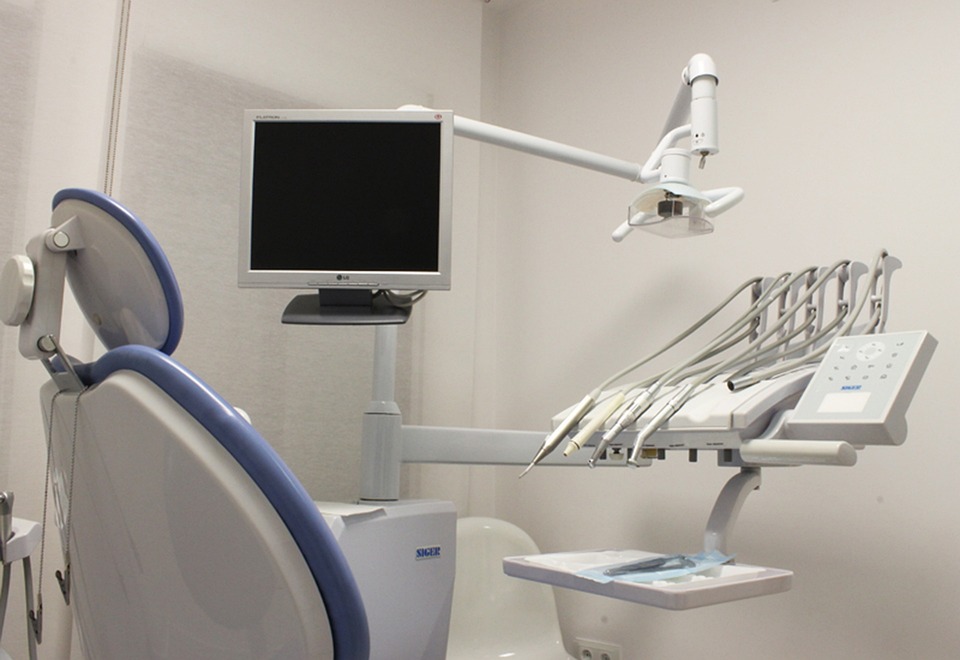
Pregnancy is a journey filled with anticipation and excitement, marked by many milestones. One of the most significant of these is the ultrasound exam, often a source of both curiosity and apprehension for expecting parents. In this article, we aim to demystify the ultrasound experience, helping parents understand what to expect, the types of ultrasounds available, and how to interpret the critical information they receive during these appointments. What is an Ultrasound? Ultrasound, or sonography, is a medical imaging technique that uses high-frequency sound waves to create images of structures inside the body. During pregnancy, ultrasounds are primarily used to visualize the developing fetus, assess its health, and monitor its growth. The procedure is non-invasive and considered safe for both the mother and the baby, as it does not involve radiation. When Are Ultrasounds Typically Performed? Ultrasounds can be performed at several stages throughout pregnancy, each serving a specific purpose: First Trimester (6 to 12 weeks): The initial ultrasound is typically done between weeks 6 and 12 to confirm pregnancy, determine the due date, and check for a heartbeat. Second Trimester (18 to 20 weeks): Often referred to as the anatomy scan, this ultrasound provides a detailed look at the fetus, checking for structural abnormalities and assessing growth. Third Trimester (28 weeks and beyond): Additional ultrasounds may be performed if there are concerns about the baby’s growth or if the mother has conditions such as gestational diabetes. Types of Ultrasounds There are several types of ultrasounds that expecting parents may encounter: 1. Transabdominal Ultrasound The most common form, this type involves moving a transducer across the abdomen to obtain images. It is generally used in the second and third trimesters. 2. Transvaginal Ultrasound This method involves inserting a transducer into the vagina for a closer look, often utilized in early pregnancy to better visualize the embryo and the uterus. 3. 3D/4D Ultrasound These advanced techniques provide three-dimensional images of the fetus, making it easier to identify facial features and movements. While they are often used for keepsake purposes, they can also offer insights into structural abnormalities. The Ultrasound Experience As parents prepare for their ultrasound appointment, knowing what to expect can reduce anxiety and set appropriate expectations. Here’s a step-by-step guide to the process: Arrival and Preparation Upon arrival, parents will typically be asked to fill out paperwork and provide details about their pregnancy. Depending on the type and timing of the ultrasound, mothers may be instructed to drink water beforehand to fill their bladder, which can provide better visibility. The Procedure After preparation, mothers will lie down on an examination table, and a gel will be applied to the abdomen (or vaginal area for transvaginal ultrasounds) to facilitate the movement of the transducer. The technician will then move the transducer over the area to capture images and may also take measurements of the fetus. The Results Once the images are captured, the technician will typically not provide much information, as a doctor or specialist will review the results and discuss them with the parents later. However, many parents cherish this time, taking in the first glimpses of their baby. The excitement builds as the technician may reveal the heartbeat and confirm the fetus’s size and growth. Understanding the Results After the ultrasound, a radiologist or obstetrician will interpret the images and prepare a report. Here are some key aspects parents should be aware of: 1. Fetus Position Observing the baby’s position can help prepare for delivery, as breech positions may necessitate different approaches. 2. Heartbeat The presence of a heartbeat is a reassuring sign of a viable pregnancy, usually around 6 weeks. 3. Fetal Measurements Measurements of the fetus, including biparietal diameter (BPD) and femur length, assess growth and wellbeing, helping to track if the baby is growing as expected. 4. Anatomy Scan Findings The anatomy scan can reveal structural issues or abnormalities. While most scans are normal, it’s essential to remain informed and discuss any findings with your healthcare provider for an understanding of potential next steps. Common Concerns and Myths Despite the widespread use of ultrasounds, several misconceptions exist: Ultrasounds are harmful: Extensive research indicates that ultrasounds are safe for both mother and baby when conducted by qualified professionals. Ultrasounds can determine gender reliably after 12 weeks: While the genitalia can be visualized in some cases, it might be more reliable at the 18-20 week anatomy scan. The Emotional Journey Ultrasounds can also be an emotional experience for expecting parents. The thrill of seeing the baby for the first time and hearing the heartbeat can evoke profound feelings of joy and connection. However, for some, this experience can also bring anxiety about potential issues. Therefore, having open lines of communication with healthcare providers is essential. Parents should feel comfortable asking questions and expressing concerns before, during, and after the ultrasound. Conclusion Understanding your pregnancy ultrasound is crucial for expecting parents eager to confirm their baby’s health and development. Each ultrasound can serve as an opportunity to bond with the unborn child while also gathering vital information about the pregnancy. While navigating this emotional and physical journey can be overwhelming, knowledge and communication can empower parents to embrace the experience fully. With a clear understanding of the ultrasound process, parents can approach their appointments with excitement rather than anxiety, welcoming the precious moments that are part of the journey towards parenthood.
The Growing Demand for Private Ultrasound Clinics: A Look Into Modern Healthcare

In recent years, the healthcare landscape has been undergoing a notable transformation, particularly with the proliferation of private ultrasound clinics. These specialized facilities have emerged as a popular alternative to traditional hospital settings, driven by a growing demand for faster, more accessible, and patient-centric services. As the complexities of healthcare continue to evolve, private ultrasound clinics are stepping into the spotlight, offering various benefits that are reshaping the way patients experience diagnostic imaging. The Shift Towards Private Healthcare The rise of private ultrasound clinics is a reflection of broader trends within healthcare. Patients today are increasingly seeking convenience and efficiency, often preferring to bypass the long wait times and bureaucratic red tape associated with public health systems. According to a recent survey by the Healthcare Information and Management Systems Society (HIMSS), nearly 70% of patients reported that ease of access is a top priority when making decisions about their healthcare provider. This demand for streamlined services has spurred the growth of private clinics, which typically offer more flexible scheduling options, shorter wait times, and a more personalized patient experience. “In private clinics, we see a patient-centric approach that is often lacking in larger healthcare systems,” notes Dr. Sarah Thompson, a radiologist with over a decade of experience in both public and private sectors. “Patients appreciate the attention and respect they get in these settings.” Access to Advanced Technology One of the most significant advantages of private ultrasound clinics is their access to cutting-edge technology. Many private clinics invest heavily in the latest ultrasound machines, which can improve diagnostic accuracy and reduce procedural time. Such advancements provide clearer images and quicker results, which can be critical in situations where timely diagnoses are essential. Furthermore, these clinics often offer specialized services that may not be readily available in traditional healthcare settings. For example, certain private clinics provide advanced prenatal ultrasounds, 3D and 4D imaging options, and other specialized assessments tailored to specific patient needs. This level of customization not only enhances the patient experience but also elevates the standard of care. Affordability: A Double-Edged Sword While private ultrasound clinics may initially appear expensive, many patients find the costs to be justifiable when compared to the indirect costs associated with public healthcare—such as transportation, time off work, and mental stress due to long waiting periods. Typically, private clinics offer transparent pricing models that allow patients to understand exactly what their care will cost upfront. However, it is crucial for patients to weigh this against their insurance coverage, as reimbursement rates can vary significantly. “For many patients who have high-deductible plans, the cost of services at a private clinic can be very competitive, particularly when they consider the quicker access to care,” explains financial advisor and healthcare consultant Mark Jones. “It’s not just about the price tag; it’s about the value of time and peace of mind.” Patient Empowerment and Satisfaction Private ultrasound clinics have also played a pivotal role in promoting patient empowerment. In these environments, patients often experience greater autonomy and participation in their healthcare decisions. Many clinics encourage patients to ask questions, provide feedback, and engage in discussions regarding their imaging procedures. This approach not only fosters trust but also enhances patient satisfaction. “We believe in educating our patients about their conditions and involving them in the decision-making process,” says clinic owner and sonographer Maria Garcia. “When patients feel informed and engaged, it leads to better health outcomes and a more satisfying experience overall.” Challenges and Considerations While the benefits of private ultrasound clinics are compelling, they are not without challenges. Issues such as regulatory compliance, maintaining quality standards, and the potential for over-utilization of services pose risks to both patients and the healthcare system as a whole. Governing bodies must ensure that these clinics operate under stringent guidelines to prevent malpractice, ensuring patient safety remains paramount. Additionally, there is the risk of disparities in access to care, particularly among populations who may be unable to pay for private services. “Healthcare should be equitable,” warns Dr. Emily Johnson, a public health advocate. “As we see a trend towards privatization, we must be cautious about how it affects vulnerable communities.” The Future of Private Ultrasound Clinics As the healthcare industry continues to embrace innovation, the future of private ultrasound clinics looks promising. Telehealth advancements, for instance, are starting to integrate with ultrasound services, allowing for remote consultations and imaging interpretation. This could potentially broaden access while keeping up with the demand for convenience. Furthermore, as more private clinics enter the market, competition will likely lead to improvements in quality and affordability. With patients demanding more from their healthcare providers, the need for continued evolution within both private and public sectors has never been greater. Conclusion The growing demand for private ultrasound clinics represents a significant shift in the modern healthcare landscape. By offering convenience, advanced technology, and patient-centered care, these facilities are filling critical gaps in the healthcare system. However, as they continue to rise in prominence, it is essential that all stakeholders work together to ensure that quality and access remain uncompromised, ultimately benefiting the patient population as a whole. “The challenge now is to balance innovation with equity in healthcare, ensuring that all patients can benefit from these advancements.” – Dr. Sarah Thompson Source: Healthcare Information and Management Systems Society (HIMSS), 2023.
Discover Advanced Care: Your Local Ultrasound Clinic Awaits!

In an age of rapid medical advancements, few tools are as vital as ultrasound technology. Whether you’re a prospective parent, an athlete recovering from an injury, or someone undergoing routine health check-ups, ultrasound services have become an indispensable part of healthcare. But where should you go for these services? Welcome to Discover Advanced Care — your local ultrasound clinic dedicated to providing high-quality imaging services in a compassionate environment. The Role of Ultrasound in Modern Medicine Ultrasound imaging, or sonography, uses high-frequency sound waves to visualize internal organs, tissues, and blood flow, making it invaluable across multiple medical fields. Obstetrics, cardiology, and orthopedics are just a few of the specialties that rely heavily on ultrasound technology. For expectant mothers, ultrasound images can confirm pregnancy, track fetal development, and even reveal the gender of the baby. In cardiology, ultrasound helps monitor heart health and detect abnormalities. Athletes frequently utilize ultrasound to identify soft tissue injuries, allowing for timely diagnosis and treatment. Why Choose Discover Advanced Care? At Discover Advanced Care, we pride ourselves on our state-of-the-art facilities and compassionate staff. But what truly sets us apart? 1. Expertise Meets Compassion Our team is composed of highly trained sonographers and radiologists, all dedicated to providing an exceptional patient experience. We understand that undergoing medical imaging can be daunting. That’s why we prioritize creating a welcoming environment where patients feel comfortable and informed. 2. State-of-the-Art Technology Investing in cutting-edge ultrasound technology ensures that our patients receive the most accurate and detailed images possible. Our machines can capture 3D and 4D imaging, providing clearer views and more comprehensive diagnostics. 3. Comprehensive Services Our clinic offers a wide range of ultrasound services, including: Obstetric Ultrasound: Ideal for pregnant women to monitor the health and development of their unborn child. Abdominal Ultrasound: Assists in diagnosing issues related to organs like the liver, kidneys, and gallbladder. Vascular Ultrasound: Evaluates blood flow and detects circulation problems. Musculoskeletal Ultrasound: Useful for assessing joint, tendon, and muscle injuries. Your Comfort Is Our Priority From the moment you step into our clinic, you’ll notice the attention to detail designed to make your visit as pleasant as possible. Our waiting area is designed with your comfort in mind, featuring cozy seating, soothing colors, and informative materials on ultrasound procedures. Our sonographers take the time to explain the process to you, ensuring you are at ease before, during, and after the procedure. We believe that patient education is crucial to successful healthcare outcomes, so we make it our mission to answer any questions you might have regarding your ultrasound and its implications. Real Patient Experiences One of the aspects that makes Discover Advanced Care a trusted name in the community is the positive feedback from our patients. Maria, a first-time expectant mother, shared her experience: “I was so nervous about my first ultrasound. But the staff at Discover Advanced Care were incredibly supportive. They walked me through the entire process and made me feel at ease. Seeing my baby’s heartbeat for the first time was an experience I’ll never forget!” Another patient, John, a veteran athlete recovering from an injury, stated: “I was impressed by how thorough the ultrasound was. The team explained everything step-by-step, and it was reassuring to know my injury was being accurately assessed.” Insurance and Accessibility We understand that financial concerns may be a barrier for some patients seeking ultrasound services. That’s why we accept a wide range of insurance plans and offer competitive self-pay rates. Our team is available to assist you in verifying your coverage and navigating any necessary paperwork, allowing you to focus on your health rather than the logistics. Get Started Today! Are you ready to take the next step in your healthcare journey? Discover Advanced Care is currently accepting new patients! Whether you need a routine check-up, are experiencing symptoms, or want to see your baby’s first images, we’re here to help. Schedule Your Appointment Now Conclusion In conclusion, ultrasound technology is a cornerstone of modern healthcare, and at Discover Advanced Care, we are committed to ensuring you receive the finest imaging services possible. With our blend of expertise, state-of-the-art equipment, and dedication to patient comfort, your healthcare experience will be one you can trust. Your local ultrasound clinic is ready to welcome you with open arms!
Top 10 Tips for Booking Your Next Clinic Appointment Hassle-Free

In today’s fast-paced world, managing your healthcare appointments can often feel like an uphill battle. Whether you’re seeking a routine check-up or follow-up visit, the process can be fraught with challenges. However, with a few strategic tips, you can streamline your clinic appointment experience and avoid unnecessary stress. Here are our top ten tips for booking your next clinic appointment hassle-free. 1. Know Your Insurance Coverage Before you start booking your appointment, familiarize yourself with your health insurance plan. Check which clinics and specialists are in-network to avoid unexpected costs. Most insurance providers have online resources where you can verify your coverage and the associated costs for specific services. 2. Be Prepared with Your Health Information Gather relevant health information before making an appointment. This includes your medical history, current medications, allergies, and recent test results. Having this information at hand will make the process smoother and ensure that the healthcare provider has all the necessary details for your visit. 3. Utilize Online Booking Systems Many clinics now offer online booking systems which allow you to schedule appointments directly through their websites or mobile apps. This not only saves time but often provides you with real-time availability, reducing the risk of double bookings or long wait times on the phone. 4. Choose the Right Time When scheduling your appointment, consider the best times for availability. Early mornings or late afternoons can often be less busy, resulting in shorter wait times. Additionally, avoid peak days, like Mondays or the day after a holiday, to enhance your experience. 5. Confirm Your Appointment Once you’ve booked your appointment, confirm it a day or two in advance. Many clinics send automated reminders via email or SMS, but it’s wise to call and double-check, especially if you’ve booked well in advance. 6. Arrive Early Plan to arrive at least 15 minutes prior to your scheduled appointment. This gives you time to complete any necessary paperwork and allows for unexpected delays, ensuring that you are seen at your appointed time. 7. Be Clear About Your Needs When booking your appointment, be clear about the reason for your visit. This helps the clinic allocate the right amount of time for your appointment and ensures you see the appropriate specialist. If you’re experiencing multiple health issues, it’s sometimes better to book separate appointments for comprehensive care. 8. Follow Up After the Visit After your appointment, ensure you follow up on any recommendations made by your healthcare provider, whether it be upcoming tests, referrals, or medication. Staying proactive about your health can save you from future complications and help maintain continuity in your care. 9. Provide Feedback Many clinics appreciate feedback regarding your experience. Whether it’s positive or constructive, your input can help improve their services and may even impact future patient experiences. If you encounter issues, addressing them promptly can lead to better resolutions. 10. Leverage Technology Consider using health management apps to keep track of your appointments, medications, and health records. These digital tools can simplify the management of your healthcare, providing you with reminders and quick access to your information when needed. By following these ten tips, you can make the process of booking your next clinic appointment not only easier but enjoyable. Remember, your health is a priority, and ensuring a smooth appointment experience can play a significant role in maintaining it. Whether you’re a seasoned patient or new to the healthcare system, these strategies will help you navigate appointments with confidence and ease.
Navigating Your Ultrasound Appointment: A Comprehensive Guide

Ultrasound imaging, often viewed as a routine part of prenatal care, plays a vital role in various medical fields. From assessing organ function to guiding biopsies, the technology provides crucial insights into bodily functions that can inform treatment decisions. If you have an upcoming ultrasound appointment, understanding what to expect can diminish anxiety and equip you with a sense of readiness. This guide delves into the essentials of navigating your ultrasound, from preparation to post-appointment follow-ups. Understanding Ultrasound Technology Ultrasound, or sonography, utilizes high-frequency sound waves to create images of internal structures. Unlike X-rays, ultrasounds do not use ionizing radiation, making them safer for a wide range of patients, including pregnant women and children. The sound waves are emitted by a transducer and bounced back from tissues, with the returning echoes converted into images displayed on a monitor. Types of Ultrasounds There are several types of ultrasounds, which can be categorized based on the purpose and the method used: Transabdominal Ultrasound: The most common form, performed with a transducer placed on the abdomen. Transvaginal Ultrasound: Used mainly in gynecology, it involves inserting a transducer into the vagina for clearer images of the reproductive organs. 3D and 4D Ultrasound: These advanced techniques provide three-dimensional images and real-time video, often popular in prenatal imaging. Doppler Ultrasound: Measures the flow of blood through veins and arteries, crucial for assessing cardiovascular health. Preparing for Your Appointment Proper preparation can significantly enhance the quality of the ultrasound images produced. Here are some general guidelines: 1. Understand the Requirements Your healthcare provider will specify whether you need to fast or drink water before the appointment. For an abdominal ultrasound, you may need to refrain from eating for several hours. For certain pelvic exams, a full bladder can enhance visibility, necessitating that you drink water before the appointment. 2. Wear Comfortable Clothing Opt for loose-fitting clothing that can be easily adjusted. Depending on the type of ultrasound, you may need to expose your abdomen or pelvic area. Layers can provide comfort if the examination room is cool. 3. Bring Necessary Documents Don’t forget to bring identification, insurance information, and any relevant medical records. If it’s a prenatal scan, your doctor may have sent over a referral, which you’ll need to present. What to Expect During the Ultrasound Upon arrival at the facility, you’ll check in and may need to complete some paperwork. Here’s what happens next: 1. The Ultrasound Room You’ll be escorted into a dimly lit room equipped with a viewing monitor and ultrasound machine. The technician may ask you about your medical history and the reason for the ultrasound. 2. The Procedure You’ll be instructed to lie down, and a warm gel will be applied to the area being examined. The gel helps conduct sound waves. The technician will then move the transducer over the skin, capturing images and measurements. The duration of the procedure varies based on the complexity, typically lasting between 20 minutes to an hour. Interpreting the Results In most cases, the technician will not provide immediate insights into the findings. Instead, a radiologist will interpret the images and prepare a report to share with your healthcare provider. It’s common to have follow-up appointments to discuss results and any subsequent steps. After the Ultrasound: Next Steps Once the ultrasound is complete, you can typically resume normal activities. However, follow these recommendations: 1. Ask Questions If you have any immediate concerns post-ultrasound, do not hesitate to ask the technician or your healthcare provider. Understanding your results comprehensively ensures clarity and helps you make informed decisions regarding care. 2. Follow-Up Appointments Depending on the ultrasound findings, further testing or appointments may be necessary. Stay proactive about your health, and keep track of any changes or symptoms following your ultrasound. Common Misconceptions Despite the prevalence of ultrasound technology, several misconceptions persist: Ultrasounds are always accurate: While ultrasounds are beneficial, they are not infallible. Certain conditions may not be detectable through ultrasound alone. Ultrasound can always determine a baby’s sex: While many expectant parents learn the sex of their baby via ultrasound, the accuracy is contingent upon fetal positioning and gestational age. Ultrasounds are entirely risk-free: Although deemed safe, unnecessary ultrasounds should be avoided due to potential psychological impacts and the implications of over-testing. Conclusion Navigating your ultrasound appointment doesn’t need to be daunting. By understanding the procedure, preparing adequately, and knowing what to expect before, during, and after your appointment, you can ease any anxiety. Remember to take an active role in your healthcare journey — seek clarity through communication, stay informed about results, and prioritize your health. With this guide, you’ll be well-equipped for a successful ultrasound experience. Pro Tip: Always keep a record of your ultrasound images and reports. They can be invaluable for future consultations and ongoing health management.