

Why Choose a Private Ultrasound Clinic? Benefits Beyond the Basics

In an era when healthcare decisions become increasingly consumer-driven, individuals are seeking more personalized options for their medical needs. One area where this trend is evident is in ultrasound services. While public hospitals often provide these services, many patients are turning to private ultrasound clinics. But what drives this decision? Beyond quicker access and shorter wait times, there are several compelling benefits to opting for a private ultrasound clinic. 1. Personalized Care and Attention One of the primary advantages of private ultrasound clinics is the level of attention patients receive. In public healthcare systems, especially those grappling with high patient volumes, it is common for patients to feel like just another number. Conversely, private clinics often focus on delivering personalized care. From the moment patients walk through the door, they can expect a warm welcome and a more intimate environment, where practitioners take the time to listen to their concerns. 2. Advanced Technology and Equipment Private ultrasound clinics tend to invest in the latest technology and advanced ultrasound machines. This results not only in clearer images but also in more accurate diagnoses. Some clinics offer specialized services such as 3D or 4D ultrasound imaging, which provides expecting parents with a detailed view of their baby, thereby enhancing the bonding experience. Patients often appreciate having access to state-of-the-art equipment that is not as readily available in public facilities. 3. Flexible Scheduling Time is a precious commodity, and private ultrasound clinics often provide greater flexibility in scheduling appointments. Unlike public healthcare systems that may have long waitlists, private clinics understand the pressing nature of some medical concerns and often allow patients to book appointments at times that suit their busy lifestyles. This means fewer delays and more convenience for patients juggling work, family, and other commitments. 4. Continuity of Care When you choose a private ultrasound clinic, you often have the opportunity to establish a relationship with your healthcare provider. This continuity of care can lead to more accurate assessments and tailored healthcare plans, as your provider becomes familiar with your medical history and personal circumstances. In contrast, public systems sometimes lead to seeing multiple practitioners, which can result in fragmented care. Additional Benefits of Choosing Private Clinics 5. Comprehensive Services Many private ultrasound clinics offer comprehensive diagnostic services under one roof. This means that in addition to standard ultrasounds, patients may also have access to specialty services like Doppler ultrasound for vascular assessments or even additional imaging modalities. This holistic approach enables patients to get all necessary tests done in one trip, saving both time and hassle. 6. Exceptional Comfort and Atmosphere Private clinics often go the extra mile to create a comfortable, welcoming atmosphere. With cozy waiting rooms, soothing décor, and attentive staff, these clinics seek to alleviate the anxiety many feel during medical appointments. The ambiance is designed to make visits as pleasant as possible, which is particularly vital in areas such as obstetrics and gynecology, where emotional comfort holds significant importance. 7. Enhanced Patient Education Many private ultrasound clinics prioritize patient education and take the time to explain the procedure, potential outcomes, and post-appointment steps. This dedication to educating patients empowers them to make informed choices about their healthcare. For instance, if a patient is referred for follow-up imaging or additional testing, they will have a clear understanding of why it’s necessary. 8. Privacy and Confidentiality In an age where personal data is increasingly at risk, privacy and confidentiality take on heightened importance. Private clinics typically ensure a higher level of discretion and privacy for their patients. This can be particularly valuable in sensitive situations, such as pregnancies or specific health concerns, where patients might not want to disclose personal information in a public setting. 9. Faster Results For many patients, waiting for results can be a source of anxiety. Private ultrasound clinics often expedite the process of not only conducting ultrasounds but also delivering results. In many cases, patients can receive their reports and images the same day, allowing them to put their minds at ease much sooner than they would in a public setting. This rapid turnaround can also facilitate quicker treatment decisions, which can be particularly crucial in time-sensitive situations. 10. Tailored Programs for Different Needs Lastly, many private ultrasound clinics offer tailored packages for different populations. For example, expectant parents might benefit from special prenatal packages that include multiple scans at discounted rates, while athletes could find specialized services for sports injuries. The flexibility to choose a program that best fits individual needs helps ensure that patients receive the most relevant care. Conclusion Opting for a private ultrasound clinic can be a prudent choice for many individuals seeking healthcare. From personalized care and exceptional comfort to the availability of advanced technology and faster results, the advantages are compelling. While public healthcare services will always play a vital role, private clinics offer a level of service and attention that can enhance patient experience significantly. As healthcare continues to evolve, many may find that the benefits of private ultrasound services extend far beyond mere convenience, making a valuable impact on their overall health journey.
The Benefits of Choosing a Local Ultrasound Clinic for Your Health Needs

Introduction In today’s fast-paced world, individuals often prioritize convenience and cost when it comes to healthcare. However, selecting a local ultrasound clinic can offer numerous benefits that transcend economic considerations. Ultrasound clinics are integral in facilitating a variety of diagnostic procedures, and opting for a local facility can enhance your overall healthcare experience. This article delves into the multifaceted advantages of choosing a local ultrasound clinic for your health needs. Personalized Attention One of the primary benefits of visiting a local ultrasound clinic is the opportunity for personalized care. In larger hospitals or corporate healthcare systems, patients may struggle to establish a rapport with their healthcare provider. Local clinics often have smaller teams, allowing for more individualized attention. Patients can benefit from shorter wait times, which fosters a more relaxed environment essential for open communication. “Local clinics tend to take the time to really listen to patients’ concerns,” says Dr. Emily Johnson, founder of a well-regarded ultrasound clinic in her community. “This can make a significant difference in patient comfort and trust.” Community Trust When choosing a healthcare provider, trust is paramount. Local ultrasound clinics are often held to a higher standard within the community due to their reputation and word-of-mouth endorsements. Patients are more likely to hear about the experiences of friends and family, leading to a sense of assurance. Establishing this community connection can also result in a better understanding of regional health issues, as local clinics may be more attuned to the specific healthcare needs of the community they serve. Accessibility and Convenience Accessibility is another advantage of local ultrasound clinics. Many clinics have flexible hours, including evenings and weekends, to accommodate busy schedules. This can be particularly helpful for parents or those juggling multiple jobs. Furthermore, local clinics are often located closer to home, which minimizes travel time and related stress when appointments are necessary. For families dealing with urgent health concerns, the ease of accessing local healthcare can significantly influence the speed of diagnosis and treatment. This proximity is not merely a matter of convenience, but rather a vital aspect of timely healthcare delivery. Cost-Effectiveness Cost considerations also play a crucial role when selecting a healthcare provider. While local clinics may not always provide the cheapest services, they often offer more competitive pricing compared to larger hospital systems. This is particularly important for patients with high deductibles or those who are uninsured. Many local ultrasound clinics provide transparent pricing and a range of payment options, facilitating easier financial planning for patients. Furthermore, using a local provider often means fewer hospital fees, reducing the overall cost burden on patients. Advanced Technology with a Personal Touch Contrary to the perception that local clinics may be less equipped, many invest in state-of-the-art technology to ensure high-quality imaging. Local clinics strive to attract patients by providing services that rival those of larger hospitals. This investment in technology often comes accompanied by a less bureaucratic atmosphere, allowing patients to feel more at ease during procedures. Local technicians often take pride in their work and focus on delivering the best results, knowing that each patient’s well-being is paramount. This dedication to quality care fosters a culture of excellence that can enhance your overall healthcare experience. Continuity of Care Continuity of care is another significant advantage. When patients utilize local ultrasound clinics, they may find it easier to follow up on results and coordinate care with their primary healthcare providers. Many clinics establish partnerships with local doctors, ensuring seamless communication. This cooperative approach can enhance the diagnostic process and lead to better health outcomes. “Having your imaging done locally means that you have easier access to your results,” explains Dr. Johnson. “If you have further questions or need referrals, it’s easier for your healthcare team to collaborate.” Emphasis on Preventative Care Local ultrasound clinics often prioritize preventative care. By establishing relationships with community members, they can encourage routine screenings that may otherwise be neglected. The accessibility of a local clinic promotes regular check-ups, which can lead to early detection of potential health issues. By fostering a culture of being proactive about health, local clinics can contribute to enhanced community health overall, combating significant health issues like obesity and diabetes. Focused Community Health Initiatives Many local clinics engage in community outreach and education initiatives, empowering patients with information about their health. Workshops, free screening days, and educational seminars help foster a healthier community. “We don’t just provide services; we also aim to educate our patients,” concludes Dr. Johnson. “Our responsibility extends beyond the walls of the clinic.” Conclusion Choosing a local ultrasound clinic presents an array of benefits that can enhance the quality of your healthcare experience. From personalized attention to cost-effectiveness and community trust, the advantages are compelling. As healthcare becomes increasingly impersonal, prioritizing local facilities can reinstate a sense of community in your health journey. Ultimately, when considering your health needs, think local. Taking the time to research and engage with nearby ultrasound clinics may not only improve your immediate healthcare experience but also contribute positively to your community’s overall well-being. After all, healthcare is not just about treating ailments; it’s about building relationships and nurturing a healthier future.
Mastering the Art of Clinic Appointments: Pro Tips for Seamless Booking

In an age where convenience dictates our choices, booking a clinic appointment should be seamless and stress-free. However, many patients find themselves facing roadblocks when trying to secure an appointment—be it long wait times on the phone or the dreaded online booking systems that seem more complicated than necessary. With a little understanding and preparation, patients can transform this often-frustrating process into a breeze. Here are some pro tips for mastering the art of clinic appointments. 1. Know Your Needs The first step in ensuring a successful clinic visit is to understand your specific healthcare needs. Are you seeking a routine check-up, a specialist consultation, or urgent care for a sudden illness? Clarifying your requirements can help guide your choice of clinic and provider. Consider the following factors: Type of Care: Identify if you need primary care, specialty care, or emergency services. Insurance Coverage: Ensure that the clinic accepts your insurance policy to avoid unexpected charges. Location: Determine whether you prefer a nearby facility or if you’re willing to travel for a renowned specialist. 2. Research Your Options Once you know what you’re looking for, research your options. This includes looking at both the clinic and the healthcare provider. Online reviews, testimonials, and word-of-mouth recommendations can be invaluable thought leaders in this area. Key resources for research: Online Review Platforms: Websites like Healthgrades or Yelp offer patient reviews that can provide insights into provider-patient interactions. Social Media: Many healthcare providers have a social media presence where they share updates and patient experiences. Personal Networks: Don’t hesitate to ask friends or family for their recommendations based on their own experiences. 3. Utilize Technology Many clinics now provide online booking systems that streamline the appointment process. Familiarizing yourself with these platforms can save you time and enhance your experience. Benefits of using online booking: 24/7 Accessibility: You can book an appointment at any time, day or night. View Availability: Online systems usually display real-time availability, allowing you to choose a time that works best. Automatic Reminders: Many clinics will send SMS or email reminders, reducing the chances of missed appointments. 4. Prepare for the Appointment To make the most of your visit, preparation is key. Gather all necessary documents and information beforehand. Items to have ready: Personal Identification: Bring your ID, insurance card, and any referral documents, if applicable. Medical History: Compile a brief history of your current medications and any prior health issues. Questions: Write down any questions or concerns you wish to discuss during your appointment. 5. Confirm Your Appointment It’s always a good idea to confirm your appointment one day prior. A simple phone call or checking the clinic’s online portal can provide peace of mind and ensure there are no scheduling conflicts. What to confirm: Date and Time: Double-check the specifics of your appointment. Provider Information: Make sure you know who you’ll be seeing and any specific preparations required. 6. Arrive on Time Timeliness can significantly impact your clinic experience. Aim to arrive at least 15 minutes early to complete any necessary paperwork. Why punctuality matters: Paperwork: Arriving early allows time for forms and initial assessments. Respect for Others: Being on time helps the clinic stay on schedule, benefitting all patients. 7. Post-Appointment Follow-Up After your appointment, follow up as necessary. If you were given prescriptions, a treatment plan, or need to schedule another visit, ensure you understand the next steps. Key follow-up actions: Medication: Confirm you understand how to take any prescribed medications. Next Steps: If further tests or follow-up appointments were discussed, make sure to schedule them promptly. Concluding Thoughts Mastering the art of clinic appointments is all about preparation and awareness. By understanding your needs, utilizing technology, and preparing adequately, you can ensure a smoother experience—making your healthcare visits significantly more manageable. In a world where health is paramount, the ability to book and attend your appointments seamlessly is an essential skill. With these pro tips in hand, go forth and make your clinic experience as effortless as it should be.
Demystifying Ultrasound Appointments: Your Essential Guide

Ultrasound appointments can seem daunting, especially for those navigating the healthcare system for the first time. Whether it’s for a pregnancy check-up, diagnosing a medical condition, or monitoring a health issue, understanding how ultrasound works can alleviate anxiety and help you prepare effectively. This guide aims to demystify the ultrasound process, from scheduling an appointment to what you can expect during and after the procedure. Understanding Ultrasound Technology Ultrasound, or sonography, is a medical imaging technique that utilizes high-frequency sound waves to create images of organs, tissues, and blood vessels within the body. It’s a safe, non-invasive option that doesn’t involve radiation, which is one of the reasons it is widely used in various medical fields. The sound waves echo off the structures in the body and are converted into images by a computer. This process provides invaluable information to healthcare providers, allowing them to diagnose conditions, monitor pregnancies, and guide treatments. Types of Ultrasounds Ultrasounds can be classified into several types, depending on what is being examined: Abdominal Ultrasound: Used to visualize organs such as the liver, gallbladder, pancreas, and kidneys. Pelvic Ultrasound: Commonly used to diagnose conditions affecting the female reproductive organs and bladder. Obstetric Ultrasound: Primarily utilized to monitor the development of a fetus during pregnancy. Transvaginal and Transrectal Ultrasound: Specialized exams that provide detailed images of the pelvic organs. Cardiac Ultrasound (Echocardiogram): Assessing heart structures and functions. Preparing for Your Ultrasound Appointment Preparation for an ultrasound can vary depending on the type of examination you are having. Here are some general guidelines that may help: Consult Your Doctor: Always check with your healthcare provider for specific instructions tailored to your situation. Follow Dietary Restrictions: For abdominal ultrasounds, you may be asked to fast for several hours prior to the exam. Hydration: For pelvic ultrasounds, drinking water beforehand to fill your bladder is often necessary. Arrive Early: Arriving ahead of time allows you to complete any necessary paperwork and relax before the procedure. What to Expect During the Appointment Your ultrasound appointment typically lasts between 30 minutes to an hour. Understanding what will happen during the appointment can help reduce any unease: Check-In: Upon arrival, you’ll check in and likely complete some paperwork regarding your medical history. Changing Clothes: You may be asked to wear a gown, depending on the area being examined. Sonographer’s Role: A trained sonographer will explain the procedure to you. They will apply a gel to the skin over the area being examined to facilitate sound wave transmission. Imaging Process: The sonographer will use a transducer (a handheld device) to capture images. You will hear clicking sounds, which are the sound waves being produced. Post-Procedure: There is usually no downtime, and you can return to your daily activities immediately after your appointment. Understanding the Results After the ultrasound is completed, the sonographer will send the images to your healthcare provider, who will interpret the results. Depending on your situation, results may be available on the same day or take a few days. Your doctor will discuss the findings with you and suggest any necessary follow-up actions or treatments. Common Misconceptions about Ultrasounds Despite being a common procedure, several misconceptions about ultrasounds persist: Ultrasounds are painful: Most patients report that ultrasounds are painless, though some may feel mild discomfort from the pressure of the transducer. Ultrasounds are only for pregnancy: While commonly associated with pregnancy, ultrasounds serve numerous diagnostic purposes across various medical fields. Ultrasound results are definitive: While ultrasounds provide valuable information, results may need to be complemented with other tests for a comprehensive diagnosis. Conclusion: Empowering Your Healthcare Journey Ultrasound appointments provide crucial insights into your health and your body. By understanding the technology, preparation required, and what to expect, you are taking an active role in your healthcare. Whether preparing for a routine check-up or addressing specific medical concerns, arming yourself with knowledge can transform anxiety into confidence. Do not hesitate to ask questions during your appointment. Your healthcare team is there to support you and ensure that you feel comfortable and informed throughout the process. Written by © 2023 Health Informant. All Rights Reserved.
Timing is Everything: When to Book Your Pregnancy Scans

Embarking on the journey of pregnancy is an exciting yet overwhelming experience, marked by a multitude of appointments, tests, and scans. For expecting parents, understanding the importance of timing when booking pregnancy scans is crucial. Not only do these scans provide essential information about the health and development of the fetus, but they also allow parents to connect with the life growing inside them. The Importance of Pregnancy Scans Pregnancy scans, often called ultrasounds, serve various critical purposes throughout pregnancy. The primary functions include: Confirming Pregnancy: The first scan can confirm the presence of the fetus and its heartbeat. Determining Gestational Age: Scans help in estimating the due date, guiding prenatal care. Assessing Development: They enable healthcare providers to monitor the progress of the pregnancy and check for congenital abnormalities. Checking Placenta and Amniotic Fluid: These scans assess the position of the placenta and the amount of amniotic fluid surrounding the baby, both vital to fetal health. Understanding when and why to schedule these scans can alleviate anxiety and help ensure that the baby’s development is on track. Timing Your Scans: Key Milestones The most common scans recommended during pregnancy can be categorized into first-trimester and second-trimester scans. Here’s a breakdown of each stage and the recommended timing of scans: First Trimester Scans 1. Early Pregnancy Scan (6-8 weeks) This initial scan is typically performed between 6 to 8 weeks after the last menstrual period. It is a crucial scan that can: Confirm the pregnancy and check for a heartbeat. Determine the number of embryos (singleton or multiples). Booking this scan helps to identify any potential issues early, such as ectopic pregnancies, where the embryo implants outside the uterus, which can pose significant health risks. 2. Nuchal Translucency Scan (11-14 weeks) Conducted between 11 and 14 weeks, this scan is part of the first-trimester screening for chromosomal conditions, including Down syndrome. The scan involves measuring the fluid at the back of the baby’s neck. A thicker nuchal translucency measurement can indicate potential chromosomal abnormalities. Second Trimester Scans 3. Anomaly Scan (18-20 weeks) The anomaly scan, or detailed anatomy scan, is usually conducted between 18 and 20 weeks of pregnancy. This scan examines the baby’s organs and anatomy, checking for physical abnormalities. Key features assessed include: Heart Brain Spine Kidneys This scan is also when many parents find out the sex of their baby if they choose to know! Moreover, it assesses the placenta’s position and monitors amniotic fluid levels. 4. Growth Scans (28 weeks onwards) For those with medical concerns or previous pregnancy complications, growth scans may be suggested around 28 weeks. These scans focus on the baby’s growth and check that the placenta is functioning correctly. Additional growth scans may be conducted later if there are concerns about fetal growth or fluid levels. Choosing the Right Provider When scheduling scans, it is also vital to choose a reputable healthcare provider. Obstetricians, midwives, or specialized sonographers typically perform ultrasound scans. Parents should discuss with their healthcare providers which scans are necessary based on their health histories and any existing pregnancy complications. The timing of scans may differ based on clinical guidelines in different countries, so it’s essential to stay informed about local practices. The Emotional Aspect of Scans While the medical importance of these scans is paramount, the emotional aspect cannot be overlooked. Seeing the baby on an ultrasound can be an emotionally intense experience for parents. It offers a tangible connection to the baby and often helps to solidify their attachment. Ultimately, these moments can evoke a range of emotions from excitement to anxiety. Parents are encouraged to bring support— partners, family members, or close friends—to share in this experience and help navigate any emotional turbulence. Conclusion: A Proactive Approach to Pregnancy Understanding the timing of pregnancy scans is essential for expectant parents. These scans play a critical role in monitoring fetal health and development and provide an opportunity for parents to bond with their unborn child. By scheduling scans at the appropriate times and consulting healthcare providers about any concerns or complications, parents can actively participate in ensuring a healthy pregnancy journey. In the end, remember: timing is everything. Booking your pregnancy scans at the right moments not only keeps you informed but also enriches your journey into parenthood.
Don’t Hesitate: The Importance of Timely Ultrasound Booking for Optimal Health

In the fast-paced world we live in, individuals often prioritize convenience and speed over health. However, when it comes to medical imaging, particularly ultrasounds, timely booking can significantly enhance health outcomes. Understanding the critical role of prompt ultrasound scheduling can not only lead to better management of existing conditions but also prevent potential health crises. Understanding Ultrasound: A Window into Your Health An ultrasound is a non-invasive imaging technique that uses high-frequency sound waves to create images of organs and structures inside the body. It’s extensively used in various medical fields, including obstetrics, cardiology, and emergency medicine. Doctors use ultrasounds to diagnose conditions, monitor pregnancies, assess organ function, and detect abnormalities. The immediacy of ultrasound imaging often correlates with the severity of a patient’s condition. For instance, during pregnancy, timely ultrasounds can provide crucial information about fetal development, while in cases of abdominal pain, they can quickly identify issues such as appendicitis or gallstones. The Risks Associated with Delayed Booking When patients delay scheduling their ultrasounds, they risk exacerbating their health issues. Research indicates that early diagnosis plays a pivotal role in treatment success, particularly in conditions such as cancer. According to the National Cancer Institute, for numerous types of cancer, early-stage detection significantly increases the likelihood of successful treatment. Studies show that a one-month delay in cancer diagnosis can decrease survival rates by approximately 10%. This statistic underscores the critical importance of prioritizing timely ultrasounds. Patient Experience: The Emotional and Financial Toll of Delayed Diagnosis Beyond the physical implications, delaying ultrasound bookings can take a toll on patients’ emotional and financial well-being. Uncertainty surrounding health can lead to significant anxiety, especially for expectant parents awaiting news about their child’s health. A study published in the Journal of the American Medical Association found that patients awaiting diagnostic imaging felt increased stress and emotional strain, which can affect mental health. Financially, delayed diagnosis can lead to more complex and costly interventions down the line. For example, patients with undiagnosed conditions may end up requiring surgeries or prolonged hospital stays, ultimately resulting in greater healthcare costs. Streamlining Access to Ultrasound Services To mitigate delays in ultrasound bookings, healthcare providers are adopting various strategies. One effective approach is enhancing access to imaging services, including extended hours and telehealth options. According to a study published in the Health Affairs Journal, facilities that offer flexible scheduling and telehealth consultations report higher patient satisfaction and reduced wait times. Moreover, integrating reminder systems into patient care can help ensure that patients do not miss their appointments. Automated phone calls, text messages, and emails can serve as effective tools to remind individuals of their upcoming ultrasounds. Studies have shown that reminders can boost appointment attendance rates significantly, preventing unnecessary delays in care. The Role of Technology in Modern Diagnostics Advancements in technology have revolutionized ultrasound imaging, making it faster and more accessible. Portable ultrasound machines are now available, allowing healthcare providers to schedule ultrasounds right at the point of care. This technological leap not only facilitates faster diagnostics but also empowers physicians to make informed decisions immediately, potentially circumventing the need for unnecessary delays. The Importance of Patient Education Education plays a critical role in the timely booking of ultrasounds. Patients need to understand the significance of these procedures and the potential risks of postponing their appointments. Healthcare professionals must engage in open discussions with patients about why certain tests are necessary and the benefits of swift action. Organizations such as the American College of Radiology provide resources aimed at educating patients about the importance of imaging tests, promoting the message that timely action is essential for optimal health outcomes. What You Can Do As a patient, there are several proactive steps you can take to ensure timely ultrasound booking: Be Proactive: If your physician suggests an ultrasound, don’t hesitate. Schedule the appointment as soon as possible. Ask Questions: Don’t be afraid to inquire about the urgency of the test and its implications for your health. Utilize Technology: Take advantage of online booking and reminder systems provided by healthcare facilities. Stay Informed: Keep yourself educated about your health conditions and the recommended screenings. Conclusion Timely ultrasound booking is essential for maintaining optimal health and ensuring effective treatment. The ramifications of delaying important imaging can have serious consequences, not only exacerbating existing medical issues but also leading to increased stress and financial burdens. By prioritizing ultrasound scheduling and advocating for better access to these services, patients can empower themselves on their health journeys. Remember, when it comes to your health, don’t hesitate—take action for a brighter, healthier future.
What to Expect at Your Maternity Scan: Essential Tips and Insights

Anticipating the arrival of a new life is a unique journey filled with excitement and anxiety. Among the many milestones on this path, the maternity scan—also known as the ultrasound scan—holds a special place. This critical checkup provides an invaluable opportunity to monitor the health of both mother and baby. Understanding what to expect during this appointment can help ease any apprehension and allow parents to focus on the beautiful experience of seeing their little one for the first time. Understanding Maternity Scans A maternity scan typically occurs at different points during pregnancy, with the most common being at around 12 weeks and again at 20 weeks. The ultrasound uses high-frequency sound waves to create images of the developing fetus, aiding in the assessment of growth, anatomy, and overall health. Some key functions of these scans include: Confirming the gestational age of the fetus. Checking for multiple pregnancies (twins, triplets, etc.). Assessing anatomical development and identifying any potential abnormalities. Measuring amniotic fluid levels and the placenta’s position. Monitoring the baby’s heartbeat. Preparing for Your Scan Being well-prepared for your maternity scan can enhance the experience. Here are key tips to consider: 1. Know What to Expect The appointment may last between 20 to 60 minutes. During this time, you will be asked to lie on an examination table, and a gel will be applied to your abdomen to help transmit the sound waves. You may hear the heartbeat and see the baby move on the screen. 2. Hydrate For dating scans, it’s often recommended to have a full bladder, as this can help improve image quality. Drinking water about an hour leading up to your appointment can help with this. 3. Bring Support If possible, bring a partner or a supportive friend. Sharing the experience can make it more memorable. Additionally, they can help you remember the information discussed during the scan. What Happens During the Scan? During the scan, the technician will start by applying a warm gel to your abdomen. This gel is essential for providing a clear view of the baby. Here’s what you’ll typically experience during the procedure: 1. Imaging The technician will move a handheld device called a transducer over your abdomen. This device emits sound waves that create images of your baby on the screen. You’ll see your baby’s movements, which can be an emotional and joyous moment. 2. Measurements The technician will take various measurements, including the baby’s head circumference, the length of the femur, and abdominal circumference. These measurements help assess whether the baby is growing at a healthy rate. 3. Gender Reveal During the 20-week scan, many parents opt to find out the baby’s gender. If you wish to know, let the technician know in advance. However, keep in mind that it might not always be possible if the baby is in a position that obstructs a clear view. Post-Scan Insights Your scan results will be shared with you immediately after the procedure, though a more detailed report may follow later. It’s essential to discuss any findings with your healthcare provider, who can help interpret the results and answer your questions. 1. Understanding Your Results If your scan reveals any potential concerns, don’t panic. Many issues detected during scans may resolve on their own or be closely monitored. Trust your healthcare team to guide you through any necessary steps. 2. Celebrating the Moment No matter the results, capturing this moment is significant. Consider asking the technician if it’s possible to take pictures or get prints of the scan images. These are not just memories; they will become cherished keepsakes for you and your family. Common Concerns and Questions It’s natural to have questions and concerns leading up to your maternity scan. Here are some frequently asked questions: Is the scan safe? Yes, ultrasound scans are considered safe and do not use ionizing radiation. They have been widely used for years to monitor pregnancies without known risks. What if my baby is not in a good position? If the baby is not positioned well for the best view, the technician may ask you to change positions or come back for another scan at a later date. How should I feel during the scan? While some women may feel a sense of wonder and joy, others may experience anxiety. Remember, it’s okay to express your feelings—your healthcare provider is there to support you. Conclusion Your maternity scan is a significant stepping stone in your pregnancy journey. By understanding what to expect, preparing well, and navigating the process with openness, you can embrace this moment with joy and anticipation. Whether it’s seeing your baby for the first time or getting answers to your questions, these experiences will enrich your path to motherhood. As you approach this milestone, remember to celebrate every heartbeat and movement. Your maternity scan is not just a medical exam; it’s a precious moment in the journey of bringing new life into the world.
Streamlining Ultrasound Appointments: What You Need to Know

Ultrasound imaging has become an integral part of modern healthcare, serving various purposes ranging from obstetric assessments to cardiac evaluations. As the demand for ultrasound services grows, both healthcare professionals and patients are looking for ways to streamline the appointment process. But what does it mean to ‘streamline’ an ultrasound appointment, and how can technology and efficient practices improve patient experiences? This article explores the methods and technologies that are reshaping how ultrasound appointments are scheduled, managed, and executed. The Importance of Efficient Ultrasound Appointments In a healthcare system where time is a precious commodity, efficient ultrasound appointments can lead to improved patient outcomes. According to a survey conducted by the American College of Radiology, 40% of patients reported anxiety about long wait times before their ultrasound appointments. Inefficiencies can lead to missed diagnostic opportunities, increased patient stress, and ultimately, delayed treatments. Thus, streamlining ultrasound appointments is not merely a bureaucratic concern but a matter of patient welfare. Technological Innovations Revolutionizing Appointment Management Advanced technology has transformed many aspects of healthcare, including the organization of ultrasound appointments. Here are some key innovations currently in play: Telemedicine: The rise of virtual consultations has allowed patients to meet with their healthcare providers online, streamlining the referral process. This immediate interaction enables the doctor to explain the necessary procedures and any preparatory steps, reducing confusion later on. Online Booking Systems: Many healthcare facilities now offer user-friendly online appointment scheduling. Patients can easily select available time slots that fit their schedules, minimizing back-and-forth calls that can often delay the booking process. Automated Reminders: Automated text and email reminders can substantially reduce no-show rates. Studies indicate that text message reminders can cut missed appointments by up to 30%—a significant efficiency boost for healthcare providers. Optimizing the Visit Experience Once the appointment is scheduled, the focus shifts to ensuring a smooth visit for the patient. Here are some best practices being adopted by medical facilities: Streamlined Check-in Processes: Utilizing tablets or self-service kiosks can make check-in more efficient. This minimizes waiting times and allows staff to focus on patient care instead of paperwork. Pre-Appointment Education: Sending educational materials via email or a dedicated app can inform patients about what to expect during their ultrasound. Understanding the procedure can alleviate anxiety and improve patient cooperation. Sonographer Training: The quality of the ultrasound experience often hinges on the person administering it. Facilities that invest in comprehensive training for sonographers report higher patient satisfaction and efficiency in conducting scans. Collaboration with Healthcare Providers Streamlining ultrasound appointments also involves optimizing the relationship between healthcare providers. Open lines of communication between primary care providers, radiologists, and sonographers can lead to better-prepared patients and more timely diagnoses. For instance, when referrers provide detailed information about the clinical indications for the ultrasound, radiologists can select appropriate protocols beforehand, thereby minimizing redundant scans. This collaborative approach also encourages interdisciplinary discussions that can expedite decision-making regarding further diagnostics or treatment plans. Challenges in Streamlining Procedures Despite the proactive measures being adopted to streamline ultrasound appointments, several challenges remain: Limited Resources: Many healthcare facilities may not have the financial or human resources to implement advanced technologies or staff training protocols, resulting in bottlenecks in the appointment process. Patient Demographics: Different patient populations may have varying levels of comfort with technology. Ensuring that older adults and less tech-savvy patients can effectively engage with online systems poses a challenge. Insurance Procedures: The insurance approval process can cause delays that are entirely outside the control of the facility. Streamlining the pre-authorization requirements can significantly affect appointment efficiency. Patient-Centric Approaches Increasingly, healthcare facilities are adopting a patient-centric approach that places the needs and experiences of patients at the forefront. This shift involves: Flexible Scheduling: Offering extended hours or weekend appointments to accommodate different work schedules can significantly enhance patient satisfaction. Feedback Mechanisms: Patient surveys post-appointment allow facilities to identify areas for improvement rapidly. Implementing changes based on real-time feedback helps create an ongoing loop of optimization. The Future of Ultrasound Appointment Management The momentum toward streamlining ultrasound appointments is expected to continue as technology progresses and patient needs evolve. Emerging technologies like artificial intelligence (AI) could further aid in scheduling and diagnostic processes, potentially analyzing patient data to optimize appointment times based on medical necessity. Moreover, as telehealth continues to gain traction, the integration of remote monitoring tools that can work in conjunction with ultrasound services may redefine the way patients interact with healthcare providers. By staying adaptable, medical facilities can ensure they meet the ever-changing demands of their patients. Conclusion Streamlining ultrasound appointments is a multifaceted endeavor that combines technology, efficient practices, and patient-centered care. By leveraging advancements in telehealth and online scheduling, optimizing check-in processes, and fostering collaboration among healthcare providers, facilities can create a more efficient and satisfying experience for patients. As we look to the future, it is clear that a focus on efficiency will not only improve operational metrics but also enhance patient outcomes, making the investment worthwhile for healthcare providers everywhere. © 2023 Healthcare Insights. All rights reserved.
Your Pregnancy Journey Starts Here: Essential Tips for Finding the Best Clinic
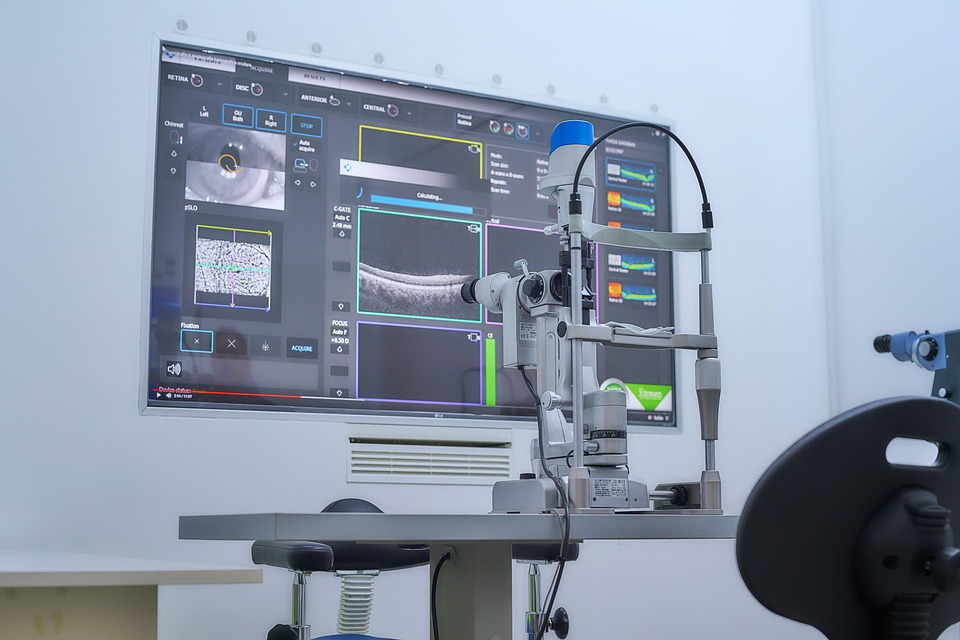
Embarking on the pregnancy journey is one of the most profound experiences of a woman’s life. It can also be one of the most overwhelming, especially when it comes to finding the right clinic for your needs. With countless options available, choosing a facility that aligns with your values, preferences, and medical requirements is crucial. This article dives into essential tips for selecting the best clinic for your pregnancy journey, so you can focus on what truly matters—bringing your baby into the world. Understand Your Unique Needs The first step in finding a suitable clinic is to understand your unique needs and preferences. Consider the following factors: Your Health History: are there any pre-existing conditions such as diabetes, hypertension, or previous pregnancy complications that may require specialized care? Your Birth Plan: are you looking for a specific type of birth experience, such as home birth, water birth, or an epidural? Your Support System: will you have a partner, family member, or friend accompanying you during appointments? Location: how far are you willing to travel for prenatal visits and the delivery? Research Clinics in Your Area Once you have a grasp of your needs, it’s time to start researching clinics. Here are several methods to gather information: Online Reviews: Websites like Healthgrades and Yelp can offer insights from other mothers about their experiences. Social Media: Join local parenting or pregnancy groups on platforms like Facebook to get personal recommendations. Ask Your Network: Friends, relatives, and coworkers who have recently gone through pregnancy can provide valuable insights about their experiences. Assess the Clinic’s Credentials After narrowing down your list, it’s vital to evaluate the clinics’ credentials. Consider these items: Accreditation: Ensure that the clinic is accredited and complies with state and national maternal care standards. Experience: Look into the clinic’s years of operation and the experience of the healthcare providers. Specialties: Some clinics may specialize in high-risk pregnancies or specific treatments. Make sure they align with your needs. Meet the Providers Once you’ve identified potential clinics, schedule consultations with the healthcare providers. Here are some questions to ask: What is your philosophy on pregnancy and childbirth? Understanding their approach can help you gauge how well it aligns with your preferences. What is your approach to prenatal care and monitoring during labor? This will give you insight into their methods and practices. How do you handle complications during pregnancy or labor? This is crucial for peace of mind. The most important aspect is to ensure that you feel comfortable and supported in the provider’s care. Trust your instincts—if something feels off, don’t hesitate to keep searching. Evaluate the Clinic’s Facilities Visiting the clinic and evaluating its facilities is another essential step: Cleanliness: A well-maintained facility is indicative of how seriously the clinic takes patient care. Comfort: The waiting room and examination rooms should be welcoming and comfortable. Equipment: Make sure the clinic is equipped with modern technology and offers the necessary prenatal imaging services. Check for Insurance Compatibility Before making your final decision, verify whether the clinic accepts your health insurance. Contact your insurance provider to understand your coverage options and any out-of-pocket expenses you may incur. Many clinics have financial advisors who can help you navigate these details. Consider the Support System Your experience at a clinic can greatly be influenced by its support system. Check if the clinic offers: Childbirth Education Classes: These can prepare you for your labor and postpartum experience. Breastfeeding Support: Look for clinics with lactation consultants available. Emotional Support: Postpartum mental health resources are crucial for new mothers. Trust Your Gut Finally, trust your gut feeling. The right clinic for someone else may not necessarily align with your vision for your pregnancy journey. If you feel at ease in an environment, that’s often a sign that it’s a good fit for you. If something doesn’t feel right—even if everything checks out on paper—it’s okay to look elsewhere. Conclusion Your pregnancy journey begins long before you hold your baby in your arms. Choosing the right clinic can make a significant difference in your experience, providing you peace of mind and support during this transformative time in your life. Take the time to research, ask questions, and trust your instincts, enabling you to embark on this amazing journey feeling empowered and well-prepared.
“Everything You Need to Know About Booking Your Ultrasound Appointment”

Understanding Ultrasounds Ultrasound imaging, also known as sonography, is a non-invasive medical test that uses high-frequency sound waves to create images of organs and structures inside the body. Most commonly associated with pregnancy, ultrasounds are used to view the heart, blood vessels, kidneys, and other internal organs, aiding in diagnosis, monitoring, and treatment planning. When to Book an Ultrasound Booking an ultrasound typically stems from a healthcare provider’s recommendation based on symptoms or routine screenings. Common reasons for an ultrasound include: Determining the gestational age and health of a fetus during pregnancy Investigating abdominal or pelvic pain Assessing conditions like gallstones, kidney stones, or liver diseases Monitoring blood flow and vascular health Finding an Ultrasound Facility Once you have a referral from your physician, the next step is selecting a facility. Consider the following: Type of Facility: Ultrasounds can be conducted in hospitals, imaging centers, or clinics. Verify that the facility is accredited and meets safety standards. Insurance Considerations: Call your insurance provider to confirm which facilities are in-network, as this will impact your costs. Reviews and Ratings: Look for patient reviews online or ask for recommendations from your healthcare provider. Booking Your Appointment Once you have selected a facility, it’s time to book your appointment. Many facilities offer online scheduling, but you may also call directly to secure a time. When booking, here are some key points to consider: Information to Have Ready Be prepared with the following information when booking your appointment: Your full name and date of birth Your physician’s name and contact information Details about your condition or reason for the ultrasound Your insurance information, including policy number Timing of Your Appointment The timing can vary greatly depending on the type of ultrasound: Routine Pregnancy Ultrasound: Ideally scheduled around 8-14 weeks, or 18-20 weeks for detailed anatomy scans. Emergency Situations: For acute symptoms, an ultrasound may need to be arranged immediately. Preparing for Your Ultrasound How you prepare for your ultrasound largely depends on the type of examination you’ll undergo. Here are some general tips: Common Preparation Guidelines Fasting: For some abdominal ultrasounds, fasting for 6-8 hours prior may be required. Full Bladder Requirement: For pelvic ultrasounds, drinking water beforehand to fill your bladder can improve image quality. Follow specific instructions given by the facility. Dressing Comfortably: Wear comfortable clothing and avoid accessories that may need to be removed. What to Expect During the Procedure Arriving at the facility, you’ll check in and may need to fill out some paperwork. A technician will escort you to the ultrasound room where the procedure will take place. Here’s what you can expect: Ultrasound Process The process is generally straightforward: You’ll be asked to lie down on an exam table. A translucent gel will be applied to the area being examined to help transmit sound waves. A transducer will then be moved over the area, capturing images that will be displayed on a monitor. The procedure typically lasts 30 to 60 minutes, depending on complexity. After the Appointment Once the ultrasound is complete, the technician will clean off the gel and allow you to dress. Most facilities will provide results directly to your physician, who can discuss findings with you during your next visit. If immediate follow-up is necessary, the facility will often inform you before you leave. Understanding Your Results Receiving ultrasound results can generate anxiety, especially if findings are unexpected: Normal Findings: No abnormalities will be reported, and routine health monitoring may continue. Abnormal Findings: Additional testing or monitoring may be recommended, which could involve further imaging or biopsies. Conclusion Booking an ultrasound appointment may seem daunting, but understanding the process can ease any apprehensions. By knowing the necessary preparations and what to anticipate, you’ll be better equipped for your appointment. Always remember that open communication with your healthcare provider can alleviate concerns and guide you through any necessary next steps.