

See Your Baby Before Birth: The Benefits of Prenatal Bonding Scans

In an age where technology continually reshapes our understanding of human experiences, prenatal bonding scans have emerged as a remarkable method for parents to connect with their unborn children. These non-invasive imaging techniques allow expectant parents to see their baby before birth, enriching the emotional experience of pregnancy and building a deeper connection with their child. The Evolution of Prenatal Imaging Traditionally, ultrasound scans were primarily conducted for medical purposes—to assess fetal health and development. However, as ultrasound technology has advanced, its applications have broadened considerably. Today, many companies offer gender reveals, 3D, and 4D scans that provide not only medical insights but also a chance to experience the joy of seeing the baby move, yawn, or even smile in utero. Why Prenatal Bonding Matters Prenatal bonding is vital for both emotional and psychological reasons. According to healthcare professionals, the bond between a parent and child begins long before the baby is born. Engaging with your unborn baby can foster feelings of love, excitement, and anticipation, setting a positive emotional context for both parents and the child. The Psychological Impact Research has shown that prenatal bonding can have significant psychological benefits. One study published in the Journal of Perinatal Education noted that parents who participated in bonding scans reported reduced anxiety and heightened emotional well-being. Seeing the fetus can diminish fears and enhance the feeling of connection, which can be crucial during a period often fraught with concerns. Enhancing Parental Involvement Involving both parents in the bonding experience can also help strengthen their relationship. Many expectant fathers, in particular, may feel disconnected during the early stages of pregnancy. Seeing their child through a bonding scan can bolster emotional involvement, making them feel more like an active participant in the parenting journey. Studies suggest that when fathers engage emotionally during pregnancy, they are more likely to be involved parents once the child is born. How Prenatal Bonding Scans Work Prenatal bonding scans utilize ultrasound technology to create images of the fetus. Different types of scans, including 3D and 4D formats, provide various levels of detail. A 3D scan generates three-dimensional images, while a 4D scan adds the dimension of time, showcasing the baby in motion. The Experience Expectant parents usually visit a specialized clinic where a trained technician performs the scan. The setting can vary from clinical to spa-like, with comfortable seating, soft lighting, and even music to create a more relaxed environment. Parents can often invite family members to join the experience, effectively creating a mini-celebration of the baby’s impending arrival. The scans generally last about 30 minutes and may even include digital images or videos that can be shared with family and friends, further enhancing the emotional experience. Benefits Beyond Emotional Connection While the emotional aspects of prenatal bonding scans are significant, there are practical benefits as well. For instance, these scans can help catch potential issues early, although they are not a substitute for conventional medical ultrasounds. Some facilities offer gender determination services, which can be a thrilling moment for parents eager to learn if they are having a boy or girl. A Way to Cherish Early Memories In an era where capturing memories is a cherished priority, many parents view prenatal bonding scans as an opportunity to create lasting memories. Digital images and videos serve as keepsakes that can be cherished for years to come. Families often store these images as part of their baby’s scrapbook, providing a narrative of the early stages of their child’s life. Controversies and Considerations Despite the many benefits, prenatal bonding scans are not without their controversies. Some healthcare professionals express concerns that these scans may promote unnecessary anxiety or false reassurance. It’s essential for expectant parents to view these scans as a complement to, rather than a replacement for, medically necessary ultrasounds. Moreover, parents should seek services from reputable clinics with licensed professionals to ensure safety and reliability. Consulting with a healthcare provider can help parents discern the right approach to prenatal bonding and make informed choices. The Final Touch The experience of seeing your baby before birth can transform the way you emotionally and psychologically prepare for parenthood. The simple act of bonding with your unborn child during those precious moments can lay the foundation for a loving relationship, pave the way for deeper emotional connections, and ease the transition into parenthood. As technology continues to evolve, prenatal bonding scans will likely become increasingly sophisticated, offering even more opportunities for parents to engage with their children before they take their first breath. So, if you’re expecting, consider taking this emotional step—it might just change the way you experience this incredible journey of life. For more information on prenatal bonding scans and to find a qualified provider, visit Reputable Prenatal Clinics.
Finding Gynecology Scans Near You: What to Expect and How to Prepare

For women, regular gynecological exams are an essential part of healthcare. Among the various diagnostic procedures, gynecology scans, such as ultrasounds and pelvic exams, play a crucial role in monitoring reproductive health. If you’re new to the process or simply searching for a facility, here’s a comprehensive guide to finding gynecological scans near you, what to expect during the procedure, and how to prepare effectively. Understanding Gynecology Scans Gynecology scans primarily include ultrasounds and hysterosalpingography (HSG). An ultrasound uses sound waves to create images of the ovaries, uterus, and other pelvic organs, while HSG is an X-ray procedure that examines the inside of the uterus and fallopian tubes by injecting a contrast dye. These scans can help identify various conditions such as: Cysts or tumors Fibroids Issues related to pregnancy Infertility problems Pelvic pain Finding a Facility Near You Now that you understand the types of scans available, here are steps to find a facility offering gynecology scans: 1. Research Local Clinics and Hospitals Start by researching local healthcare facilities. Many hospitals and specialized clinics provide gynecological services. Websites like Healthgrades or Zocdoc can be helpful in locating providers in your area. 2. Check Credentials and Reviews Once you find potential facilities, check their accreditation and any patient reviews. Look for comments on the quality of care, equipment, and the professionalism of the staff. Personal testimonials often provide insight into what to expect. 3. Consult Your Primary Care Physician Your primary care doctor can also recommend a trusted gynecologist or facility for scans. They can provide insights based on your health history and needs. 4. Availability of Technology Ensure that the facility uses up-to-date technology. Modern equipment can provide clearer images and ensure more accurate diagnoses. What to Expect During Your Scan Understanding what happens during a scan can relieve anxiety. Here’s a breakdown of what you can expect: Ultrasound During an abdominal ultrasound, you’ll be asked to lie on a table with your abdomen exposed. A gel will be applied to your skin to help the transducer glide smoothly, followed by the technician moving the device over your abdomen to capture images. If it’s a transvaginal ultrasound, the technician will insert a small probe into the vagina. Hysterosalpingography (HSG) For an HSG, you’ll be positioned on an X-ray table. A speculum will be inserted into your vagina to allow access to the cervix. A dye is injected through the cervix into the uterus, and images are taken to observe the flow of the dye, which indicates whether the fallopian tubes are open. Preparing for Your Scan Preparation can vary based on the type of scan you’re undergoing. Here are general guidelines: 1. Follow Pre-Appointment Instructions Your healthcare provider will give you specific instructions. For example, you may be asked to drink water for an abdominal ultrasound or to fast before an HSG. 2. Wear Comfortable Clothing On the day of your appointment, wear comfortable and easily removable clothing. You may have to change into a gown, so avoid complicated outfits. 3. Arrange for Support If you’re undergoing a more invasive scan like an HSG, consider bringing someone with you for support. The process can sometimes cause discomfort, and it’s helpful to have someone to accompany you through the experience. Post-Scan Considerations After your scan, you may be provided with immediate feedback, but formal results usually take a few days. Engage in light activities, and if you experience any unusual symptoms such as severe pain or bleeding, contact your healthcare provider immediately. Conclusion Finding gynecology scans near you doesn’t have to be daunting. By understanding the types of scans available, knowing what to expect, and preparing adequately, you can navigate your gynecological health with confidence. Regular scans are vital for early detection and treatment of various conditions, ensuring that you remain in control of your health and well-being. Remember, your health is your priority. Don’t hesitate to reach out to your healthcare provider for more personalized information and advice.
Navigating Women’s Health: What to Expect at Your Next Care Appointment

Women’s health is a multifaceted field, incorporating everything from routine screenings to specialized care for reproductive health, menopause, and more. The journey through women’s health can be empowering and, at times, daunting. Understanding what to expect during your next healthcare appointment can help alleviate anxiety and foster open communication with your healthcare provider. 1. Preparing for Your Appointment Preparation is key to making the most out of your healthcare appointment. Here’s how you can prepare: Update Your Medical History: Make sure your medical history is current. Include any medications, allergies, and past surgeries. List Symptoms or Concerns: Jot down any health concerns, symptoms, or questions you might want to discuss with your healthcare provider. Know Your Family History: Understanding your family’s health history can help guide discussions about your risks for certain conditions. Bringing a partner or friend for support can also be beneficial, especially if you’re discussing sensitive topics. 2. Types of Women’s Health Appointments Depending on your age, health history, and needs, your appointment may vary: Annual Check-Up: A routine visit that often includes a physical exam, blood pressure check, and screening for conditions such as diabetes or high cholesterol. Reproductive Health: Visits related to contraception, menstruation irregularities, or infertility may involve a physical exam, hormone testing, or counseling on fertility treatments. Maternity Care: Pregnancy appointments include monitoring fetal growth, discussing labor and delivery options, and providing prenatal vitamins. Menopause Management: If you’re experiencing menopause, your provider can help manage symptoms and discuss lifestyle adjustments or therapies. 3. What to Expect During the Appointment During your appointment, it’s customary for your healthcare provider to gather information, perform examinations, and take the time to address your concerns: Information Gathering Your provider may start with a series of questions, including: Your primary reason for the visit. Your medical history and any medications you’re taking. Your lifestyle habits such as diet, exercise, and smoking or alcohol use. Physical Examination Depending on your age and health status, you might undergo various exams, such as: Pelvic Exam: Commonly performed for gynecological checks, this exam allows the doctor to assess reproductive health. Breast Exam: Your provider will likely check for any irregularities that may require further investigation. Blood Tests: Routine blood work may be ordered to assess your overall health and check for conditions like anemia or thyroid issues. 4. Screening Tests and Preventative Care Screenings play an essential role in preventive care. Common screenings and tests include: Pap Smear: Recommended from age 21 every three years, this test checks for cervical cancer. Mammograms: Women aged 40 and older are generally advised to have annual mammograms to screen for breast cancer. Bone Density Test: Particularly important for women over 65 or those at risk for osteoporosis, this test checks bone health. 5. Open Communication: Asking Questions Remember, your healthcare appointment is a two-way conversation. Don’t hesitate to ask questions such as: What are the results of my tests? What lifestyle changes can I make to improve my health? Are there any treatments or medications available for my symptoms? What should I expect in the future regarding my health? Your provider is there to help, and asking questions will empower you to take charge of your health. 6. When to Seek Special Care While routine appointments are essential, some situations warrant a visit to a specialized professional. Consider seeking specialized care if you experience: Severe pain or discomfort. Significant changes in weight or appetite. Menstrual irregularities or prolonged periods. Symptoms of menopause that interfere with daily life. 7. Follow-Up and Next Steps After your appointment, your healthcare provider may recommend follow-up visits, additional tests, or referrals to specialists. Make sure you understand: What the next steps are, including any prescriptions or procedures. When to schedule your follow-up visit. Signs or symptoms that should prompt you to return sooner. Conclusion Navigating women’s health can be a complex journey, but understanding what to expect at your next appointment can significantly alleviate stress. Engaging openly with your healthcare provider can help you make informed decisions about your health. Take charge of your well-being—after all, knowledge is power.
Navigating the Sound Waves: Honest Reviews of Top Ultrasound Clinics
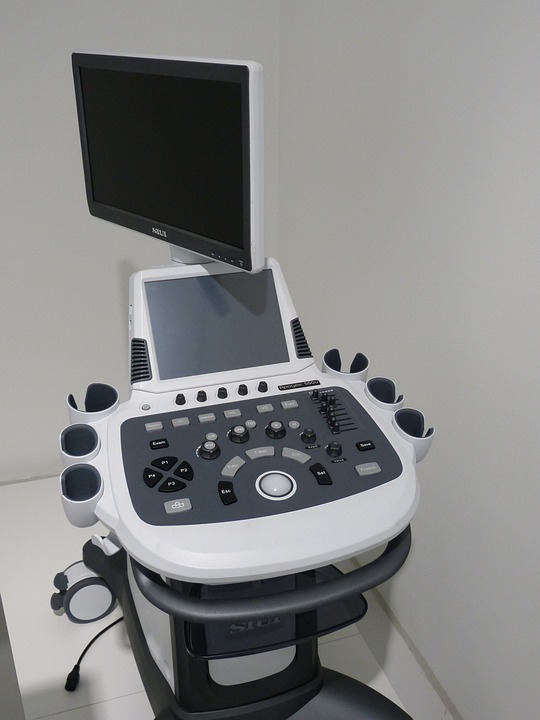
Navigating the Sound Waves: Honest Reviews of Top Ultrasound Clinics In today’s healthcare landscape, the precision of diagnostics is paramount, and ultrasound imaging has emerged as a vital tool across various medical disciplines. From obstetrics to cardiology, ultrasound clinics provide essential imaging services that help shape patient outcomes. With an overwhelming number of choices available, how does one navigate the waters of ultrasound services? This feature article dives into the world of ultrasound clinics, offering insights and reviews of some top-rated facilities, highlighting their services, technologies, patient experiences, and unique offerings. The Role of Ultrasound in Modern Medicine Ultrasound technology utilizes high-frequency sound waves to create images of the inside of the body. Unlike X-rays or CT scans, ultrasound does not employ ionizing radiation, making it suitable for a variety of applications, including: Obstetric imaging for monitoring fetal development. Cardiac assessments to evaluate heart conditions. Abdominal studies to investigate organ health. Musculoskeletal imaging for diagnosing injuries. As with any medical service, the quality of care can vary significantly between clinics. Therefore, we explored several ultrasound clinics, considering factors such as technology, staff qualifications, patient feedback, and overall service quality. 1. ClearView Ultrasound Clinic Located in the heart of the city, ClearView Ultrasound Clinic is well-known for its commitment to patient-centered care. Equipped with state-of-the-art equipment, including 3D and 4D ultrasound capabilities, it offers diverse services ranging from routine obstetric ultrasounds to advanced cardiac imaging. Patients often rave about the friendly staff and comfortable environment. One reviewer stated, “The tech was so gentle and made me feel at ease. It was the best part of my pregnancy so far!” ClearView prides itself on its quick appointment scheduling and minimal wait times, which significantly enhance the patient experience. 2. Precision Imaging Another commendable facility is Precision Imaging, recognized for its innovative approach to diagnostic imaging. It offers mobile ultrasound services, which have become increasingly popular among expectant mothers who want convenience during their prenatal visits. This clinic employs the latest imaging technology to ensure accurate diagnoses. Patient reviews cite the thoroughness of examinations and clear communication from technicians as key highlights. “They walked me through every step of the process and explained what they were looking for,” a satisfied patient noted. Additionally, their educational resources prepare patients for what to expect during and after their ultrasound sessions. 3. Elite Diagnostic Imaging Situated in a suburban area, Elite Diagnostic Imaging emphasizes accessibility and comprehensive care. It offers a wide array of ultrasound services, including vascular studies, abdominal ultrasounds, and even specialized imaging for pediatric patients. Patients appreciated the clinic’s comprehensive follow-up system, which ensures that they receive their results promptly and can consult with the physician if necessary. “I’ve directly communicated with my doctor within hours of the appointment,” one patient shared. This level of attention to detail sets Elite Diagnostic Imaging apart from others, ensuring that each patient feels prioritized and informed. 4. Family Wellness Imaging Family Wellness Imaging aims to create a holistic experience for patients. Their family-oriented approach includes offering ultrasound services in a relaxed, home-like atmosphere. They emphasize the emotional aspects of the imaging process, especially for expectant parents. Prospective parents can expect to receive keepsake images and videos of their ultrasound sessions, creating cherished memories. “It felt like they genuinely cared about the experience, not just the technicalities,” a parent remarked. This clinic often accommodates needs for multiple family members to be present during the imaging sessions, further improving the overall experience. 5. Advanced Imaging Center For those seeking advanced technology and cutting-edge imaging techniques, the Advanced Imaging Center stands out. The clinic offers a range of specialized ultrasounds, including elastography and contrast-enhanced ultrasound, which are crucial for detecting various medical conditions. Patient feedback highlights the professionalism of the staff and the seamless integration of technology into the diagnostic process. “I felt like I was in the hands of experts. They explained everything thoroughly and answered all my questions,” shared a patient post-visit. The clinic is usually equipped with an on-site radiologist, providing immediate interpretations of ultrasound results, which is a significant advantage for urgent cases. What to Consider When Choosing an Ultrasound Clinic While patient reviews can guide your choice, several factors should be considered when selecting an ultrasound clinic: Staff Qualifications: Ensure that the technicians are certified and highly trained in ultrasound technology. Technology: Look for clinics equipped with modern ultrasound machines that provide detailed imaging. Patient Reviews: Read multiple reviews to gauge the overall patient experience, paying attention to any recurring feedback. Accessibility: Consider the location, appointment availability, and services offered. Communication: Choose a clinic that prioritizes clear communication regarding procedures, results, and follow-up care. Final Thoughts In the realm of healthcare, ultrasound clinics play a critical role in effective diagnostics and patient care. By exploring patient reviews and clinic offerings, individuals can make informed decisions about where to seek ultrasound services. Whether it’s the high-tech capabilities of Advanced Imaging Center or the family-friendly environment of Family Wellness Imaging, each clinic has unique strengths that cater to different patient needs. Ultimately, the best choice will align with personal preferences, medical needs, and comfort levels. In navigating the sound waves of ultrasound clinics, information is your best companion—ensuring that healthcare experiences are as positive and beneficial as possible.
Early Pregnancy Scans: Ensuring a Safe Experience for You and Your Baby

Early pregnancy scans, also known as dating scans or viability scans, are a pivotal aspect of prenatal care. With the rise of advanced imaging technologies, these scans have transformed into one of the first means of verifying and monitoring pregnancy health. For many expectant parents, understanding the purpose, process, and benefits of early pregnancy scans can be the key to ensuring a safe, informed, and reassuring start to this incredible journey. What is an Early Pregnancy Scan? An early pregnancy scan is usually performed between six to twelve weeks of gestation. During this timeframe, healthcare providers use ultrasound technology to check for several crucial indicators of pregnancy, including: Verification of pregnancy and fetal heartbeat Determination of gestational age Identification of multiple pregnancies (twins, etc.) Assessment of the location and health of the embryo These scans are generally considered a non-invasive and safe procedure for both the mother and the fetus. The most commonly used form of ultrasound in early pregnancy is transvaginal ultrasound, as it provides clearer images in the early stages than abdominal scans. Why Are Early Pregnancy Scans Important? Understanding the significance of early pregnancy scans goes beyond mere verification of pregnancy. Early scans can help detect potential complications early on. Some reasons why these scans are crucial include: 1. Confirming Viability The heartbeat is often the first significant indicator that a pregnancy is progressing healthily. An early scan helps reassure expectant parents by confirming that the embryo is developing and has a detectable heartbeat, typically around six weeks into the pregnancy. 2. Dating the Pregnancy Accurate dating of the pregnancy is essential as it helps in planning prenatal care and monitoring fetal development. Ultrasound measurements can provide a reliable estimate of how far along the pregnancy is, which can sometimes differ from the expected due date based on the last menstrual period. 3. Identifying Risks In some cases, early scans can identify ectopic pregnancies (where the embryo develops outside the womb) or potential miscarriage risks. Early detection of such issues allows for timely medical intervention, which is crucial for the health of the mother. The Process of an Early Pregnancy Scan Receiving an early pregnancy scan involves a series of steps that help prepare the expectant mother for a smooth experience: 1. Preparation While no extensive preparation is usually required, some clinics may advise that the bladder is fuller to obtain clearer images during an abdominal scan. Drink plenty of water on the way to the appointment, but verify any specific instructions beforehand. 2. The Procedure During the scan, you will lie down, and the sonographer will apply a gel to your abdomen or use a transvaginal approach if it’s early in the pregnancy. A small probe will be inserted into the vagina to provide a better view. The entire process typically takes about 20 to 30 minutes. 3. Post-Scan Discussion After the scan, the sonographer will discuss the findings with you. You will receive printed images and, if necessary, follow-up recommendations based on the scan results. These discussions can help alleviate any concerns and provide guidance for the next steps in your pregnancy journey. Understanding the Limitations While early pregnancy scans are beneficial, they come with limitations. The accuracy of dating can be affected by various factors, including irregular menstrual cycles or discrepancies in measured sizes of the embryo. Additionally, not all pregnancies develop as expected, and it is vital for parents to understand that the absence of a heartbeat or adverse conditions may not always indicate a definitive outcome. Emotional support and counseling can be essential during these challenging moments. Emotional and Psychological Considerations Pregnancy can be an emotional rollercoaster, and the anticipation of an early scan can amplify those feelings. Many parents experience anxiety leading up to the scan, concerned about what the results may reveal. It’s important to remember that care providers are best equipped to guide you through this process. Efficient communication with healthcare providers can offer reassurance and support, reducing any anxiety and enhancing the feelings of hope about the pregnancy. Conclusion Early pregnancy scans are not just a routine part of prenatal care; they are a significant opportunity for expectant parents to connect with their baby early on and receive reassurance about their pregnancy. By understanding the purpose and process of these scans, expecting parents can feel more empowered and informed. As technology continues to advance, early pregnancy scans will remain a crucial aspect of prenatal health, helping parents ensure a safe and joyful start to their parenting journey. It serves as a reminder that taking proactive steps in your prenatal care—like attending early scans—can make all the difference in ensuring a healthy pregnancy for both mother and baby.
Seeing the Unseen: The Revolutionary Impact of Fetal Facial Imaging

In an age where technology is breaking boundaries once thought unimaginable, the field of prenatal care has entered a new era with the introduction of advanced fetal facial imaging. This innovative approach not only enhances the monitoring of fetal development but also transforms the emotional landscape of expectant parents. From 3D ultrasounds to detailed 4D imaging, the ability to see facial features of an unborn child holds implications that extend beyond mere aesthetics. The Science Behind Fetal Facial Imaging Fetal facial imaging primarily utilizes high-resolution ultrasound technology, including 3D and 4D imaging techniques. Traditional 2D ultrasounds provided a flat and often unclear interpretation of a developing fetus. However, 3D and 4D imaging allow for a more detailed visualization. The third dimension gives depth perception to the images, while 4D adds the element of time, creating a real-time view of fetal movements. This advancement allows clinicians to identify physical anomalies, assess developmental progress, and monitor facial structures such as the lips, nose, and eyes. Techniques like Doppler ultrasound are also employed to evaluate blood flow within the fetal face, providing critical data for conditions that may affect facial features. The Emotional Connection for Parents For many expectant parents, the experience of seeing their unborn child through these advanced imaging techniques can be profoundly emotional. Imagine being able to see your baby’s face—complete with expressions and movements—long before meeting them in person. This can foster an emotional connection that was previously difficult to achieve. “Fetal imaging has changed the way parents bond with their babies. It turns the abstract idea of pregnancy into a tangible reality,” says Dr. Emily Fisher, a leading obstetrician specializing in prenatal imaging. The experience can also provide reassurance. Many parents who have been informed of potential complications can find a sense of relief when they see their baby’s features and movements, helping to quell fears and anxieties about the unknown. Clinical Implications and Ethical Considerations While fetal imaging provides numerous benefits, it also raises ethical questions. The ability to detect potential congenital defects or genetic disorders prior to birth can lead to difficult decisions regarding the pregnancy. Tests can identify conditions like cleft lip, Down syndrome, and more, allowing parents to prepare or even consider termination in some cases. Medical professionals advise that parents undergoing fetal imaging should participate in counseling to understand the implications of the findings, fostering informed decision-making. This aspect of fetal imaging can become a double-edged sword—while it offers essential insights, it also compels parents to confront potentials of loss or disability. The Role of Technology Recent technological advancements in artificial intelligence (AI) are enhancing the accuracy of fetal facial imaging. Algorithms can analyze ultrasound images, providing medical professionals with insights that may be difficult to gather through human interpretation alone. This advancement enhances the potential for early diagnosis and intervention, crucial for conditions that require surgical or therapeutic approaches after birth. Moreover, AI-enabled systems can enhance image quality and reduce the time needed to obtain clear images. This contributes to overall efficiency in prenatal care while simultaneously improving patient experience. Changing Expectations in Prenatal Care The integration of fetal facial imaging marks a significant shift in prenatal care expectations. Expectant parents are increasingly seeking out facilities that offer advanced imaging options. This demand leads to more healthcare providers incorporating these technologies into their offerings. Additionally, the social media age has transformed the way images from fetal scans are shared. Many parents now post their ultrasound images online, creating a visual narrative of their pregnancy journey. This trend not only generates excitement and anticipation but also serves as a platform for connecting with other parents, fostering community support. Looking Ahead: The Future of Fetal Imaging As technology continues to evolve, the future of fetal imaging appears promising. Innovations in imaging techniques, coupled with AI advancements, may soon allow for even greater clarity and precision, with the potential for developing biomarkers that could signal underlying conditions. Moreover, research is underway to explore the impacts of early imaging on long-term quality of life for children diagnosed with conditions during pregnancy. The hope is that understanding fetal development at a granular level will lead to improved outcomes post-birth. The Bottom Line Fetal facial imaging represents a monumental leap forward in prenatal care, allowing parents to see the unseen and forge a bond with their unborn child earlier than ever before. While it poses ethical dilemmas and challenges, the emotional and clinical benefits are undeniable. As technology progresses, the possibilities within this realm are boundless, fundamentally altering the pregnancy experience and how we understand the first stages of life. © 2023 Health Innovations Journal. All Rights Reserved.
Visual Insights: The Role of Imaging in Modern Gynecological Care

Introduction In recent years, advancements in imaging technologies have significantly transformed the landscape of gynecological care. From routine examinations to complex diagnostic procedures, imaging plays a critical role in enhancing patient outcomes. This article delves into the various imaging modalities utilized in gynecology, their applications, and the implications for women’s health. The Evolution of Imaging Techniques The field of gynecology has witnessed a technological renaissance over the past few decades, primarily due to the introduction of advanced imaging techniques. Traditional methods, such as X-rays and simple ultrasound systems, have paved the way for more sophisticated options, including 3D ultrasound, magnetic resonance imaging (MRI), and computed tomography (CT) scans. Each modality offers distinct advantages, contributing to a more nuanced understanding of gynecological conditions. Ultrasound: The First Line of Defense Ultrasound imaging remains the cornerstone of gynecological assessment, particularly in pregnancy management and the evaluation of reproductive health. Its non-invasive nature, cost-effectiveness, and ability to provide real-time images make it invaluable for clinicians. Advanced techniques like 3D ultrasound enhance the visualization of organs and structures, helping in diagnosing conditions such as polycystic ovary syndrome (PCOS) and uterine fibroids. Magnetic Resonance Imaging (MRI) MRI has emerged as a powerful tool in the gynecologist’s arsenal, particularly for complex cases. Its capacity to provide detailed images of soft tissues allows for improved characterization of tumors, assessment of endometriosis, and evaluation of pelvic floor disorders. Unlike other imaging modalities, MRI does not utilize ionizing radiation, making it a safer option for many patients, including pregnant women. Applications in Diagnosis and Treatment The applications of imaging in gynecology extend well beyond diagnosis alone; they encompass treatment planning, monitoring, and post-treatment follow-up. Imaging facilitates targeted therapies, such as guided biopsies and laparoscopic procedures, enhancing precision and minimizing complications. Endometriosis Endometriosis is a common yet often misdiagnosed condition affecting millions of women. MRI, with its exceptional soft tissue contrast, allows for the identification of endometrial tissue outside the uterus. This capability not only aids in diagnosis but also assists in assessing the severity of the condition, guiding surgical decisions and informing patients about their treatment options. Fertility Assessments Imaging plays a crucial role in fertility evaluations, particularly in assessing the uterine cavity and surrounding structures. Hysterosalpingography (HSG) and sonohysterography are examples of specialized imaging techniques used to evaluate for blockages in the fallopian tubes and abnormalities in the uterine lining, respectively. These assessments are vital for fertility specialists in developing comprehensive treatment plans. Patient-Centered Care: Enhancing the Experience Incorporating imaging into gynecological care not only improves diagnostic accuracy but also elevates patient experiences. The visualization of conditions through imaging can help demystify diagnoses for patients, fostering better communication between healthcare providers and patients. When women understand their conditions more clearly, they feel empowered to participate in their care actively. Challenges and Ethical Considerations Despite the myriad benefits of advanced imaging, several challenges and ethical considerations persist. Issues such as the cost of advanced technologies, potential over-reliance on imaging, and the risks associated with unnecessary procedures must be navigated with caution. Healthcare providers must strike a balance between utilizing imaging as a diagnostic tool and ensuring it is employed judiciously to avoid unnecessary interventions. Future Directions in Gynecological Imaging As technology continues to advance, the future of gynecological imaging looks promising. Innovations such as artificial intelligence (AI) and machine learning are poised to enhance image interpretation, enabling faster and more accurate diagnoses. Moreover, portable imaging devices and telemedicine are expanding access to care, particularly in underserved areas. Conclusion The role of imaging in modern gynecological care cannot be overstated. From improving diagnostic accuracy to empowering patients in their healthcare journey, advancements in imaging technologies have laid the groundwork for a new era in women’s health. As these technologies continue to evolve, they will undoubtedly unlock new possibilities, ensuring that women receive the best possible care throughout their lives.
Understanding Fertility Ultrasounds: What to Expect and Why It Matters

Fertility ultrasounds have become an indispensable tool in reproductive medicine. For many couples trying to conceive, these non-invasive imaging techniques provide valuable insights into the reproductive health and are crucial for forming effective treatment plans. This article aims to demystify fertility ultrasounds, elucidate their importance, and outline what to expect during these procedures. What is a Fertility Ultrasound? A fertility ultrasound is a specialized ultrasound used in the context of reproductive health. It helps in examining the ovaries, uterus, and other reproductive organs through sound waves. By creating images of these organs, healthcare providers can assess structural abnormalities, follicle development, and even the presence of conditions such as polycystic ovary syndrome (PCOS) or endometriosis. Types of Fertility Ultrasounds There are two primary types of fertility ultrasounds: transabdominal and transvaginal. Transabdominal Ultrasound The transabdominal ultrasound is often the first step in fertility assessments. During this procedure, a technician applies a gel on the abdomen and moves a transducer over the skin to capture images of the uterus and reproductive organs. It is less invasive and can give an overview but may not always provide the most detailed images. Transvaginal Ultrasound In contrast, transvaginal ultrasounds deliver more precise information. A slender probe is inserted into the vagina, which allows for closer proximity to the ovaries and uterus. This method is particularly beneficial for monitoring follicle development during ovulation induction cycles. What to Expect During a Fertility Ultrasound Preparing for a fertility ultrasound typically involves minimal steps. However, understanding what will happen during the procedure can alleviate any anxiety. Before the Exam Patients are generally advised to drink water before a transabdominal ultrasound to ensure that the bladder is full, which helps provide a clearer view of pelvic organs. For a transvaginal ultrasound, a full bladder is not required. During the Exam During the procedure, patients can expect to lie back comfortably. For a transabdominal ultrasound, the gel may feel cool as it is applied, and the technician will gently move the transducer over the abdomen. This process usually takes about 30 minutes. For transvaginal ultrasounds, some discomfort may occur due to the insertion of the probe, but it should not be painful. The clinician will explain what they are looking for during the exam, which might include assessing ovarian follicles, measuring the uterine lining, or checking for abnormalities. After the Exam There are typically no side effects, and patients can resume normal activities immediately. Results usually take a few days to process, and your fertility specialist will discuss the findings, helping shape any next steps in treatment or further diagnosis. Why Fertility Ultrasounds Matter Fertility ultrasounds are pivotal in diagnosing and managing reproductive issues. Here are several reasons why these ultrasounds are crucial: 1. Early Detection of Issues One of the significant advantages of fertility ultrasounds is their ability to identify problems early in the fertility journey. Conditions like fibroids or endometriosis can be pinpointed before significant complications arise, leading to more timely interventions. 2. Monitoring Treatment For those undergoing fertility treatments, regular ultrasounds are essential. They help track the development of follicles during ovulation induction, allowing for precise timing of insemination or egg retrieval, which can dramatically increase the chances of successful conception. 3. Emotional Support Navigating fertility can be emotionally taxing. Regular monitoring through ultrasounds not only provides crucial medical information but also offers emotional reassurance. Knowing that specialists are closely tracking progress can help couples feel more supported in their fertility journey. Conclusion Fertility ultrasounds serve as a fundamental component in understanding reproductive health. As non-invasive and effective diagnostic tools, they empower couples with the knowledge needed to navigate their fertility challenges. Whether you’re just beginning your journey or are already undergoing treatment, understanding what to expect can make a significant difference. So, if you’re advised to undergo a fertility ultrasound, remember: it’s not just a procedure; it’s a step towards realizing your dreams of parenthood. In a world where reproductive health is often shrouded in mystery, fertility ultrasounds play a crucial role in illuminating the path to conception.
Your Roadmap to a Healthy Pregnancy: A Comprehensive Maternity Care Guide

Pregnancy is a beautiful chapter in a woman’s life, filled with excitement, anticipation, and a bit of apprehension. It’s a time of immense physical and emotional changes, and having a roadmap can help navigate this vital journey. This guide aims to equip you with essential knowledge to ensure a healthy pregnancy experience. 1. Preconception Planning: Laying the Groundwork Before conception, it’s crucial to prepare your body and mind for the changes ahead. This includes: Consulting with a Healthcare Provider: Schedule a preconception appointment to review your medical history, discuss family planning and any prior pregnancy experiences. Taking Prenatal Vitamins: Begin a regimen of prenatal vitamins, particularly those containing folic acid, which reduces the risk of neural tube defects. Adopting a Healthy Lifestyle: Engage in regular physical activity, maintain a balanced diet rich in fruits, vegetables, lean proteins, and whole grains, and avoid harmful substances like tobacco and alcohol. Managing Chronic Conditions: Work with your healthcare provider to manage conditions like diabetes or hypertension to minimize risks during pregnancy. Note: If you have a family history of certain conditions, genetic counseling may be advisable before conception. 2. Understanding Pregnancy Milestones First Trimester (Weeks 1-12) This phase is critical for fetal development. Expect significant hormonal changes which can lead to symptoms such as nausea and fatigue. Key activities include: Regular prenatal check-ups to monitor the baby’s heartbeat and growth. Food safety and hygiene awareness to avoid foodborne illnesses. Stay hydrated and manage morning sickness through small, frequent meals. Second Trimester (Weeks 13-26) Often referred to as the “golden period,” many women experience an uptick in energy levels during this time. Important considerations include: Mid-pregnancy ultrasound to check for fetal abnormalities and determine gender. Continued monitoring of weight gain and nutrition. Start preparing for childbirth classes to equip yourself with techniques and knowledge for labor and delivery. Third Trimester (Weeks 27-40) The final stretch brings excitement and anxiety as the due date approaches. Focus on: Creating a birth plan outlining preferences for labor and delivery. Recognizing signs of labor and knowing when to head to the hospital. Planning for postpartum care, including mental health support and physical recovery. 3. Nutrition: Fueling Your Body and Baby A balanced diet is one of the cornerstones of a healthy pregnancy. Focus on incorporating a variety of nutrients into your meals: Protein: Essential for fetal growth; include lean meats, fish, eggs, beans, and legumes. Calcium and Vitamin D: Important for the development of baby’s bones; dairy products, leafy greens, and fortified foods are great sources. Iron-rich Foods: Prevents anemia, which is common during pregnancy; access red meats, and legumes, and consider iron supplements if recommended. Note: Some foods should be avoided during pregnancy, including raw fish, unpasteurized cheeses, and high-mercury seafood. 4. Physical Activity: Staying Active Safely Regular exercise during pregnancy is beneficial for both physical and mental well-being. Safe activities include: Walking: A simple yet effective way to stay active throughout pregnancy. Swimming: Provides relief from the increasing weight of the body and helps maintain muscle tone. Low-impact aerobics: Designed for pregnant women, these classes can enhance cardiovascular fitness. 5. Mental Health: Nurturing Your Mind Pregnancy can bring a whirlwind of emotions. It’s vital to prioritize mental health. Strategies include: Open Communication: Discuss your feelings and concerns with your partner or support system. Meditation and Relaxation Techniques: Practices such as prenatal yoga or deep-breathing exercises can alleviate anxiety. Seeking Professional Help: If feelings of depression or anxiety are overwhelming, consulting a mental health professional is crucial. 6. Preparing for Birth: What to Expect As the due date approaches, preparation for birth should be a priority. Consider these aspects: Birth Classes: Enroll in classes to understand the labor process and pain management techniques. Packing Your Hospital Bag: Include essentials for you and the baby, as well as items for your comfort during labor. Support System: Discuss your birth plan with your partner and ensure they are well-informed about your wishes and needs during labor. 7. Postpartum Care: Recovery and Adjustment After delivery, focus on recovery and adjustment to your new role. This includes: Physical Recovery: Monitor your body’s healing and seek medical support if complications arise. Emotional Support: Be aware of the signs of postpartum depression and reach out for help if needed. Building a Routine: Establish a routine that works for you and your baby to foster a sense of normalcy. Conclusion A healthy pregnancy requires proactive measures, from preconception planning to postpartum care. By arming yourself with knowledge and a solid support system, you can ensure a smoother journey into motherhood. Remember, every pregnancy is unique, and consulting with healthcare professionals throughout your journey will provide personalized support tailored to your needs.
Efficiency at Your Fingertips: How Clinic Booking Systems Transform Healthcare

In an era where convenience is king, the healthcare industry is rapidly embracing technology to enhance patient experiences and streamline operational efficiency. One of the most significant advancements in this transformation is the adoption of clinic booking systems. These digital solutions are reshaping how healthcare providers manage appointments, optimize schedules and improve patient access to care. Let’s explore how these systems are dynamically altering the landscape of healthcare and what the future may hold. The Rise of Clinic Booking Systems As patient expectations evolve, so does the demand for more efficient and user-friendly healthcare services. Traditional methods of scheduling appointments—phone calls, paper forms, and in-person visits—are cumbersome and often lead to long wait times and scheduling conflicts. According to a report by the Healthcare Information and Management Systems Society (HIMSS), 70% of patients prefer online booking options, highlighting a clear shift towards digital solutions. Clinic booking systems offer a variety of features, such as online appointment scheduling, automated reminders, and patient self-check-in. These systems not only improve the patient experience but also reduce administrative burdens on healthcare staff, allowing them to focus on what truly matters: patient care. Enhancing Patient Access Convenience is paramount in today’s fast-paced world. With the rise of telehealth services, patients now expect the ability to book appointments at their convenience, without the necessity of picking up the phone. Clinic booking systems fulfill this requirement by enabling patients to schedule their appointments via a user-friendly online interface, available 24/7. A study published in the Journal of Health Communication notes that patients who use online booking systems are more likely to attend their appointments. This is attributed to improved engagement and a sense of ownership over their healthcare processes. With features such as calendar synchronization and the flexibility to reschedule or cancel appointments online, patients are empowered to manage their health more effectively. “The ability to book an appointment online has transformed how I engage with my healthcare provider. Gone are the days of playing phone tag.” – Sarah T., patient Operational Efficiency for Providers Clinic booking systems not only benefit patients but also significantly enhance operational efficiency for healthcare providers. By automating appointment scheduling, healthcare facilities can minimize double-bookings and reduce no-show rates, which can be detrimental to a practice’s bottom line. According to a report from the American Journal of Managed Care, no-show rates can be as high as 30%, leading to lost revenue and inefficient use of resources. By sending automated reminders via SMS or email, clinic booking systems reduce these rates by keeping patients informed and engaged. Consequently, providers can optimize their schedules, leading to better resource allocation and improved patient care. Integrating Health Records Many contemporary clinic booking systems seamlessly integrate with Electronic Health Records (EHR). This integration is a game-changer, providing healthcare providers with immediate access to a patient’s medical history, allergies, and previous appointments. Such access not only enhances the efficiency of ongoing patient care but also ensures accuracy in treatment decisions. As noted by the Office of the National Coordinator for Health Information Technology, integrated systems streamline workflows and reduce clinical errors, translating into enhanced patient safety and better health outcomes. When healthcare providers can easily access relevant patient information during the appointment booking process, they are equipped to deliver personalized and timely care that meets the unique needs of each patient. Customizable Features for Diverse Needs The flexibility and customization options that clinic booking systems offer are also noteworthy. Different healthcare specialties have distinct operational requirements. A pediatrician, a dental office, and a physical therapy clinic all need tailored solutions that cater to their unique patient demographics and scheduling complexities. Many clinic booking systems come with customizable features that allow healthcare providers to adjust their scheduling preferences, categorize appointments, and set specific time slots for different types of services. This adaptability is crucial for managing busy healthcare environments, especially during peak hours. Facing Challenges Ahead Despite the myriad benefits, implementing clinic booking systems is not without its challenges. Healthcare providers often face hurdles such as initial costs, system integration issues, and resistance to change from staff. According to a survey by the Health Information Management Association, one in five healthcare organizations reported significant struggles during the transition to digital booking systems. To counter these challenges, healthcare organizations must invest in comprehensive training for staff, ensuring that everyone is on board with the technological shift. Moreover, selecting the right vendor who understands the unique nuances of a healthcare practice is critical to minimizing disruptions during the implementation phase. The Future of Clinic Booking Systems The future of clinic booking systems is promising. With the integration of Artificial Intelligence and machine learning, we can anticipate even smarter scheduling solutions that predict patient needs based on historical data. Additionally, the potential for telehealth services to be integrated directly into booking systems will further enhance patient convenience and accessibility. As we venture deeper into this digital age, it becomes increasingly clear that efficiency is no longer a luxury but a necessity in healthcare. The evolution of clinic booking systems signifies a remarkable step forward in meeting the needs of both patients and providers. Ultimately, these innovations will pave the way for a healthier future where access to care is as straightforward as a few clicks of a button.