

From Prenatal to Postpartum: The Comprehensive Guide to Maternity Care Support

Welcoming a new life into the world is one of the most transformative experiences imaginable. The journey from prenatal to postpartum care is a crucial support system that can greatly influence both maternal and infant health. This comprehensive guide delves into the various stages of maternity care, highlighting essential resources, services, and practices that empower expectant and new mothers. Prenatal Care: The Foundation of Maternal Health Prenatal care is a cornerstone of maternal health, beginning as soon as a woman learns she is pregnant. The primary aim of prenatal visits is to monitor the health of both mother and fetus and to identify any potential risks. Regular check-ups typically occur every month during the first 28 weeks, bi-weekly until 36 weeks, and weekly thereafter. Health Screenings and Tests During prenatal appointments, healthcare providers will conduct several essential screenings and tests. These may include: Blood Tests: To check for anemia, blood type, and infectious diseases. Ultrasound: To assess fetal development and confirm due date. Genetic Screenings: To evaluate risks for genetic disorders. Women should also be educated about the importance of prenatal vitamins, such as folic acid, which can prevent neural tube defects. Nutritional Guidance A balanced diet is crucial for expectant mothers. Healthcare providers often recommend consulting with a registered dietitian to create a personalized nutrition plan. Foods rich in calcium, iron, omega-3 fatty acids, and whole grains should be prioritized. Additionally, hydration plays a vital role in the overall health of both mother and baby. Labor and Delivery: Preparing for the Big Day As the due date approaches, expectant mothers often start planning for labor and delivery. Educational classes on childbirth can provide valuable information about what to expect during labor, pain management options, and post-delivery care. Support Systems Having a strong support system in place can reduce anxiety and promote a positive birthing experience. This may include: Partners: Engaging a partner or loved one to provide emotional and physical support. Doulas: Professional support who offer guidance before, during, and after childbirth. Healthcare Providers: Building a rapport with obstetricians, midwives, and nurses to ensure comfort and trust during labor. Birthing Options Women now have more options than ever when it comes to birthing plans. Whether opting for a hospital birth, home birth, or birthing center, it’s essential to understand the pros and cons of each. Discussing preferences and concerns with healthcare providers can facilitate a safer, more personalized experience. Postpartum Care: The Road to Recovery The postpartum period is a time of immense physical and emotional change. While attention often focuses solely on the newborn, maternal health during this time is equally vital. Understanding the early signs of postpartum complications is crucial. Physical Recovery After delivery, women experience multiple bodily changes, including uterine contractions, vaginal bleeding, and recovery from any surgical procedures (e.g., C-sections). Regular check-ups during the six to eight weeks post-delivery are important for: Assessing physical recovery; Addressing any pain or discomfort; Discussing contraception options; Evaluating mental health. Emotional Well-Being Postpartum depression is a significant concern, affecting approximately 1 in 7 women after childbirth. Symptoms may include feelings of sadness, anxiety, and difficulty bonding with the baby. It’s crucial for mothers to seek help if they experience these symptoms: “It’s not just baby blues. Real help is available and important to ensure both mother and baby thrive.” – Laura, New Mother Advocate Counseling, support groups, and medication can help manage symptoms effectively. Furthermore, building a network of supportive friends and family can foster a nurturing environment essential for emotional recovery. Community Support and Resources The importance of community support cannot be overstated. Numerous organizations and resources are available to assist mothers throughout their maternity journey: La Leche League: Offers breastfeeding support and education. Postpartum Support International: Addresses postpartum mental health issues. WIC (Women, Infants, and Children): Provides nutrition education and food assistance. The Role of Technology in Maternity Care Technology plays an increasingly important role in maternity care. Apps focused on tracking pregnancies, monitoring symptoms, and providing educational resources have emerged as popular tools. Telehealth services are also beneficial, giving mothers easy access to healthcare providers without the need for in-person visits. Conclusion: Empowering Mothers Through Care Comprehensive maternity care support is vital for ensuring the health of both mother and child, from the prenatal phase through postpartum recovery. As awareness continues to grow about the complexities of maternity care, so too does the need for robust support systems. By prioritizing health, education, and emotional well-being, society can empower mothers to thrive throughout their maternity journey.
Everything You Need to Know About Ultrasound: A Step-by-Step Procedure Guide

Ultrasound has revolutionized modern medicine, offering a non-invasive method to visualize internal organs and tissues. Commonly known for its use in pregnancy, ultrasound technology has applications across various medical fields, including cardiology, urology, and musculoskeletal medicine. This guide will walk you through everything you need to know about ultrasound, including how it works, the types of ultrasound procedures, and a step-by-step guide to what patients can expect during the process. How Ultrasound Works Ultrasound imaging, or sonography, utilizes high-frequency sound waves to produce images of structures inside the body. A device called a transducer emits sound waves, which travel through the body and bounce back from tissues. These echoes are captured and translated by a computer into images that can be interpreted by healthcare professionals. Types of Ultrasound Procedures There are several types of ultrasound procedures, each serving a different purpose: Abdominal Ultrasound: Used to visualize organs such as the liver, kidneys, gallbladder, and pancreas. Pelvic Ultrasound: Employed to examine the reproductive organs in women and the bladder in both genders. Transvaginal Ultrasound: A specialized procedure for women that involves inserting a transducer vaginally for closer imaging of the pelvic area. Fetal Ultrasound: Commonly used during pregnancy to monitor fetal development and diagnose potential complications. Cardiac Ultrasound (Echocardiogram): Focuses on the heart, providing information on its size, shape, and function. Musculoskeletal Ultrasound: Helps visualize muscles, tendons, and joints, assisting in the diagnosis of injuries. Preparing for an Ultrasound Preparation for an ultrasound can vary based on the type of procedure. Here are some general guidelines: Consultation: Speak to your healthcare provider about any medications or conditions that may affect the ultrasound. Fasting: For abdominal ultrasounds, you may be asked to fast for 8-12 hours before the procedure to ensure accurate images. Hydration: For pelvic ultrasounds, drinking water to fill the bladder is often required to improve visibility. Clothing: Wear comfortable clothing. You may need to change into a hospital gown for the procedure. The Step-by-Step Ultrasound Procedure 1. Arrival and Check-In Upon arrival at the medical facility, you’ll check in at the front desk. Be sure to bring any requested paperwork, including identification and insurance information. 2. Pre-Procedure Discussion A technician or physician may discuss the procedure with you, outlining what to expect and answering any questions about the process. 3. Positioning You will be directed to a private room where you’ll lie down on an examination table. Depending on the area being scanned, you may be asked to lie on your back, side, or stomach. 4. Application of Gel A special gel will be applied to the area being examined. The gel helps to transmit sound waves and improve image quality. The room might feel a bit chilly, but this is a normal part of the procedure. 5. Transducer Use The technician will use a transducer (a handheld device) to move over your skin. As they scan different areas, images will be captured and displayed on a monitor. You may be asked to hold your breath or reposition to get clearer images. 6. Assessment of Images Once the imaging is complete, the technician will assess the images for clarity and completeness. In some cases, additional images may be needed. 7. Completion of the Procedure After all necessary images have been obtained, the technician will clean off the gel and offer you a tissue or cloth. You’ll be able to dress and return to your regular activities, usually without any restrictions. 8. Receiving Your Results Your healthcare provider will review the ultrasound images and discuss the findings with you during a follow-up appointment or via phone. They will explain the implications of the results and any further steps needed based on the findings. Advantages of Ultrasound Ultrasound offers several advantages compared to other imaging techniques: Non-Invasive: Ultrasound does not require incisions or invasive techniques, making it safer and often more comfortable for patients. No Radiation: Unlike X-rays or CT scans, ultrasound uses sound waves, eliminating exposure to harmful radiation. Real-Time Imaging: Ultrasound provides immediate results, allowing for dynamic studies of organs in motion, like the heart or moving fetuses. Affordable and Accessible: It is generally more cost-effective than some other imaging methods and widely available in hospitals and clinics. Conclusion Ultrasound is a crucial tool in modern medicine, offering insights into our health without the need for invasive procedures. Understanding what to expect during an ultrasound can alleviate anxiety and prepare you for optimal results. Always consult your healthcare provider to find out if an ultrasound is appropriate for your condition and to discuss any concerns you may have. Whether you’re a patient preparing for their first ultrasound or a medical professional looking to refresh your knowledge, this guide serves as a comprehensive overview of everything you need to know about ultrasound procedures.
Private Ultrasound: A Window into Your Baby’s World Before Birth

Image Caption: A Private Ultrasound Session Providing Insight into Your Baby’s Development. As the world of prenatal care continues to evolve, expectant parents are increasingly turning to private ultrasound services. This trend doesn’t just offer practical medical insights; it also brings emotional joy and wonder by allowing parents to glimpse into their baby’s world long before birth. But what exactly is private ultrasound, and what can parents expect from these intimate and detailed sessions? The Basics of Ultrasound Ultrasound imaging, initially developed for medical diagnostics, utilizes high-frequency sound waves to create images of internal organs. During pregnancy, ultrasound allows healthcare providers to examine the developing fetus. Traditionally performed in hospital settings, ultrasound technology has become more accessible, with private clinics springing up worldwide, particularly in urban areas. Private ultrasounds offer expectant parents a chance to have scans performed in a less clinical, more comforting environment than standard hospital facilities. Many parents find this setting to be less intimidating and more personal, enabling a deeper emotional connection with their unborn child. Why Choose Private Ultrasound? The decision to opt for a private ultrasound can stem from various motivations: Early Bonding: One of the most compelling reasons for private ultrasounds is the opportunity for emotional bonding. Many parents cherish the experience of seeing images of their baby, often capturing precious moments that foster a connection even before birth. Additional Photos and Videos: Many private ultrasound providers offer 3D and 4D imaging options, allowing families to take home prints, digital images, or video recordings. These packages often make for unforgettable keepsakes. Customized Experiences: Private clinics often offer flexible scheduling and specialized services. Expectant parents can choose gender determination sessions, heartbeat recordings, or family-inclusive scans involving siblings and grandparents. What to Expect During a Session Typically, a private ultrasound session lasts between 30 minutes to an hour. Here’s what you can expect: 1. A Comfortable Environment Upon arrival, parents are usually welcomed into a cozy, softly-lit room equipped with comfortable seating and a large screen. This individualized approach can put parents at ease as they prepare to witness one of the most profound moments of their lives. 2. A Qualified Technician The ultrasound will be performed by a trained sonographer. While their primary role is to gather accurate images, they often support families with information throughout the process. Expectant parents can ask questions and receive related insights during the session. 3. Visualization Depending on the stage of pregnancy, the sonographer will utilize a transducer to send sound waves into the abdomen. As these waves bounce back, they create real-time images displayed on the screen. Parents will have the opportunity to see their baby moving, yawning, and even smiling, providing a glimpse into their little one’s personality. 4. Gender Reveal Many parents use the opportunity for a gender reveal during the private ultrasound, often resulting in a joyful celebration. Some clinics provide creative gender revelation options, such as balloons or confetti. The Science Behind the Images While private ultrasound locations are generally less clinical than hospitals, it’s essential to acknowledge that the imaging performed at these clinics does not replace standard medical check-ups or scans. The scans are typically designed for keepsake purposes and should not substitute important medical evaluations like anatomy scans or assessments for potential fetal issues. Medical professionals recommend that all pregnant women undergo at least one formal ultrasound in a medical setting. This ensures that the necessary healthcare insights, such as checking for developmental issues or multiples, are accurately captured. The private ultrasound experience is often best viewed as an additional, complementary opportunity for families to engage with their baby’s development. The Emotional Impact For many parents, seeing their baby through ultrasound enhances emotional well-being and reduces anxiety, especially for first-time parents. The ability to visualize the baby can make the pregnancy feel more tangible, alleviating some of the fears and uncertainties that often accompany pregnancy. Additionally, sharing this experience with family members—like partners, grandparents, or siblings—can foster a sense of community and connection. Witnessing the ultrasound together often creates cherished family memories that will be treasured for years to come. Ethical Considerations and Caution While private ultrasounds offer delightful experiences, it is essential to approach them ethically: Ensure the clinic is reputable and follows safety protocols. Understand the limitations of the scans and their intended use primarily for entertainment rather than diagnostic purposes. Consult with a healthcare provider if there are any concerns or conditions that may require additional medical supervision. Conclusion Private ultrasound services have emerged as a popular choice for expectant parents, transforming the experience of pregnancy into a more connected and interactive journey. Through a combination of technological advancements and a focus on emotional care, private ultrasounds not only provide a window into the developing world of the unborn baby but also create bonds that last a lifetime. However, as with all medical practices, awareness about the practice’s limitations and ethical considerations is crucial to ensuring that parents are well-informed as they navigate the incredible journey of parenthood. Image Caption: Families Celebrating Their Baby’s First Glimpses Through Ultrasound.
Understanding Gynecological Ultrasound: A Comprehensive Guide for Patients

Gynecological ultrasound, a pivotal diagnostic tool, serves as an essential procedure for assessing women’s health. This non-invasive imaging technique uses high-frequency sound waves to create detailed images of the structures within the female reproductive system. While often associated primarily with pregnancy, its applications extend far beyond, encompassing various gynecological conditions. This article aims to demystify gynecological ultrasound, shedding light on its types, procedures, benefits, and considerations for patients. What is Gynecological Ultrasound? Gynecological ultrasound utilizes ultrasound technology to visualize the internal organs of the female reproductive system, including: Uterus Ovaries Cervix Fallopian tubes Vagina The procedure is commonly employed to diagnose a variety of conditions, such as: Ovarian cysts Fibroids Endometriosis Pelvic inflammatory disease Abnormal bleeding Types of Gynecological Ultrasound There are primarily two types of gynecological ultrasounds: transabdominal and transvaginal. Transabdominal Ultrasound This is the most common method, where the ultrasound device is moved across the abdomen to visualize the pelvic organs. Patients are usually asked to have a full bladder to help enhance the clarity of the images. Transvaginal Ultrasound In this procedure, a slender ultrasound probe is inserted into the vagina to capture more detailed images of the uterus and ovaries. This method is often preferred for examining early pregnancies or diagnosing specific gynecological conditions due to its ability to provide clearer images from a closer proximity. Benefits of Gynecological Ultrasound Gynecological ultrasound offers numerous advantages, making it a valuable tool in women’s health: Non-invasive: Unlike some diagnostic procedures, ultrasounds do not involve any incisions or exposure to harmful radiation. Fast results: Ultrasounds are generally quick, with most examinations taking less than 30 minutes. Real-time imaging: Physicians can observe the movement of structures in real-time, aiding in accurate diagnoses. Wide range of applications: Effective for diagnosing multiple conditions, monitoring the effects of treatments, and assisting in infertility evaluations. What to Expect During the Procedure The experience of undergoing a gynecological ultrasound may vary based on the type performed, but here is a general overview: Before the Ultrasound For a transabdominal ultrasound, you may be asked to drink water beforehand to fill your bladder. This can make it easier for the technician to obtain clear images. In contrast, the transvaginal ultrasound may require an empty bladder. During the Ultrasound For transabdominal ultrasound: You will lie on an examination table. Gel will be applied to your abdomen to facilitate the sound wave transmission. The technician will use a handheld device (transducer) to capture images of your pelvic organs. For transvaginal ultrasound: You will lie back in a comfortable position, and a private environment will be maintained. The technician will insert the transducer into the vagina, which may feel uncomfortable but should not be painful. Images will be captured and may be discussed as the exam proceeds. After the Ultrasound Once the procedure is complete, you can usually resume your normal activities. The images will be analyzed by a radiologist, and your doctor will review the findings with you, often within a few days. Potential Risks and Considerations Gynecological ultrasounds are considered safe for the majority of patients. However, some considerations include: Minor discomfort: Particularly for transvaginal ultrasounds, some patients may experience slight discomfort or pressure. Limitations in visualization: Obesity or excessive bowel gas may interfere with image quality. It’s always advisable to communicate openly with your healthcare provider about any concerns or specific conditions you may have prior to undergoing an ultrasound. Conclusion Gynecological ultrasound is a critical tool that enables healthcare providers to monitor and assess female reproductive health effectively. Understanding the procedure’s purpose, types, and benefits helps demystify it for patients. Whether you’re undergoing the procedure for monitoring pregnancy or investigating other health concerns, a gynecological ultrasound is a non-invasive, efficient way to gain insight into your reproductive health, ultimately paving the way for informed medical decisions. If you’re scheduled for a gynecological ultrasound or considering one, rest assured that it’s a straightforward procedure designed to support your health and well-being. Always engage with your healthcare professional to discuss any questions or concerns, ensuring a comfortable and informative experience.
Empowering Women: How Reproductive Diagnostics Are Changing the Game

In recent years, the landscape of women’s health has experienced transformative advancements, particularly in the realm of reproductive diagnostics. Women across the globe are discovering that a wealth of knowledge about their reproductive health is now at their fingertips. This evolution is not merely a matter of medical progress; it is a movement aimed at empowering women, enabling informed choices, and fostering a renewed sense of autonomy over their bodies and reproductive futures. Understanding Reproductive Diagnostics Reproductive diagnostics encompass a range of tests and techniques designed to evaluate the status and function of a woman’s reproductive system. These tools allow for the assessment of fertility, the detection of genetic disorders, and the monitoring of reproductive health throughout a woman’s life. From hormone level testing and ovulation tracking to more complex procedures like genetic screening, reproductive diagnostics have become essential in helping women understand and manage their reproductive health. Traditional approaches to women’s reproductive health often involved limited understanding and communication, leading to misconceptions and stigma surrounding reproductive issues. However, the advent of technology, coupled with growing societal acceptance, has paved the way for women to actively participate in discussions about their bodies. With tools such as menstrual cycle tracking apps and at-home fertility tests becoming increasingly accessible, women are breaking free from the constraints of outdated narratives. A New Era of Information The integration of smartphones and wearable technology into our daily lives has revolutionized how women monitor their health. Apps like Clue and Flo allow users to track menstrual cycles, symptoms, and fertility indicators, fostering better understanding of individual reproductive health patterns. According to a 2020 study published in the Journal of Reproductive Health, nearly 74% of women reported that using such apps helped them feel more knowledgeable about their reproductive health. “The more informed a woman is about her body, the more empowered she becomes to make decisions that are right for her.” – Dr. Emily H. Johnson, Reproductive Endocrinologist Transforming the Fertility Journey For many women, understanding reproductive diagnostics begins with their fertility journey. Fertility issues can be emotionally taxing and filled with uncertainty. However, advancements in reproductive diagnostics are helping to demystify the process. Tests such as antral follicle count (AFC) via ultrasound and blood tests to measure hormone levels are invaluable in evaluating ovarian reserve and overall reproductive health. Moreover, in vitro fertilization (IVF) has seen significant advancements thanks to genetic screening techniques like preimplantation genetic testing (PGT). PGT allows for the analysis of embryos for specific genetic conditions before implantation, significantly increasing the chances of pregnancy while reducing the risk of genetic disorders. This not only offers peace of mind but also empowers couples to make informed decisions about parenthood. Shifting the Focus to Preventative Care Another significant impact of reproductive diagnostics is the shift from reactive to proactive health care. Early detection of conditions such as polycystic ovary syndrome (PCOS), endometriosis, and uterine fibroids is increasingly possible through diagnostic screenings such as ultrasounds and hormone testing. By identifying these conditions early, women can adopt lifestyle changes or medical interventions that may prevent more severe complications down the line. A study released by Fertility and Sterility indicated that women diagnosed with endometriosis earlier in life had better overall health outcomes and reduced fertility complications. This underscores the importance of awareness and proactive measures in fostering not only reproductive health but general well-being. Barriers to Access and Awareness Despite the progress in reproductive diagnostics, barriers still exist that hinder access to these life-changing tools. Issues such as economic disparity, lack of education, and socio-cultural stigma can obstruct many women from utilizing available resources. Those in marginalized communities may experience higher rates of untreated reproductive health issues due to a lack of funding for education and healthcare services. Organizations such as Planned Parenthood and the World Health Organization (WHO) advocate for equitable access to reproductive health care. Programs aimed at educating women about their reproductive rights and health are vital for empowering them to take charge of their well-being. Expanding telemedicine services, especially in underserved areas, can also play a role in increasing access to reproductive diagnostics. Looking Ahead: The Future of Reproductive Diagnostics As we move deeper into the 21st century, the future of reproductive diagnostics looks promising. Innovations such as artificial intelligence (AI) in fertility tracking and gene editing may soon provide unprecedented opportunities for customization of treatment options. Furthermore, increased public discourse around reproductive rights and health will only serve to make these advancements more accessible and widely accepted. The current societal shift toward recognizing women’s autonomy is crucial in this ongoing evolution. Empowering women through knowledge and resources creates a ripple effect that fosters stronger communities and healthier societies. Education is an essential component of this process; as women become more aware of reproductive diagnostics, they can advocate for themselves and others. Conclusion In summary, reproductive diagnostics are not just changing the game for women’s health—they are rewriting the narrative surrounding autonomy, choice, and empowerment. By providing women with the tools, information, and support they need to navigate their reproductive health, we can foster a future where every woman feels informed, empowered, and in control of her body. The journey toward reproductive health equity is still unfolding, but with continued advocacy and technological advancement, the horizon is bright for women everywhere. *Sources: Journal of Reproductive Health, Fertility and Sterility, World Health Organization reports, Clue and Flo app user studies.
Navigating Your Appointment: Frequently Asked Questions About Clinic Bookings

Frequently Asked Questions About Clinic Bookings Scheduling an appointment at a healthcare clinic can sometimes be confusing. From understanding what to bring to knowing the right time to arrive, patients often have many questions. This article aims to clarify some of the most common inquiries regarding clinic bookings, ensuring you feel prepared and informed before your next visit. 1. How Do I Book an Appointment? Booking an appointment can vary by clinic, but generally, you have several options: Phone Call: Most clinics allow you to call their reception to schedule an appointment. This method provides an opportunity to ask any immediate questions you may have. Online Booking: Many clinics now offer online appointment scheduling through their websites or dedicated patient portals. This can be the most convenient option, enabling you to book at any time. Walk-In: Some clinics, especially urgent care facilities, accept walk-ins. However, waiting times can vary significantly depending on the number of patients present. 2. What Information Do I Need to Provide? When booking an appointment, be prepared to provide: Your name and contact information. Your health insurance details, if applicable. Reason for your visit, such as symptoms or specific concerns. Preferred dates and times, which may help accommodate your schedule. 3. Should I Prepare Anything Before My Appointment? Yes, preparing ahead of time can streamline your visit: Medical Records: If you’re seeing a new provider, bring any medical records, imaging studies, or test results related to your condition. Medications: Compile a list of any medications you are currently taking, including dosages and frequency. Questions: Write down any questions or concerns you wish to discuss, ensuring that you don’t forget anything during the appointment. 4. What If I Need to Cancel or Reschedule My Appointment? Life can be unpredictable—if you must cancel or reschedule your appointment, inform the clinic as soon as possible. Most clinics have a cancellation policy; failing to notify them in advance may result in a cancellation fee. By doing this promptly, you also allow the clinic to allocate your time slot to another patient who may need it. 5. What Should I Expect When I Arrive? Upon arrival, follow these general steps: Check In: Sign in at the reception desk. Some clinics offer self-check-in kiosks for convenience. Fill Out Forms: You may need to complete or verify forms, including your insurance information and medical history. Wait: After checking in, you will wait until your name is called. Bring a book or something to occupy your time if you anticipate a longer wait. 6. How Early Should I Arrive? Arriving 15-30 minutes before your scheduled appointment is a good rule of thumb. This allows time for check-in, form-filling, and any unexpected delays. Some clinics may have specific recommendations, so it’s worth checking when you book your appointment. 7. What If I’m Running Late? If you find yourself running late, call the clinic to let them know. Depending on how late you are, they may still be able to accommodate you, or they may ask you to reschedule. It’s always better to communicate than to show up without warning. 8. What Happens During the Appointment? During your appointment, the healthcare provider will typically: Discuss your medical history and any current concerns. Conduct a physical examination, if applicable. Order tests or imaging if necessary. Discuss treatment options or provide referrals if needed. 9. What Should I Do After My Appointment? After your appointment, make sure to: Follow any care instructions provided by your healthcare provider. Schedule any follow-up appointments if necessary. Contact the clinic if you have further questions or experience any changes in your condition. 10. How Can I Provide Feedback? Your feedback can help improve the clinic’s services. Many clinics will ask for feedback either through follow-up emails or surveys. Take the time to express what went well and any areas for improvement. Navigating clinic appointments doesn’t have to be overwhelming. By preparing for your visit and understanding the process, you can focus on what’s truly important: your health and well-being. Remember, healthcare providers are there to assist you, so don’t hesitate to ask questions and express any concerns you may have during your appointment.
Navigating Your Gynecology Consultation: A Guide to Scans and What to Expect

Visiting a gynecologist can often trigger a mix of anxiety and curiosity, especially if it’s your first time or if you’re undergoing specific scans. This guide aims to demystify what you can expect during your gynecological consultation, particularly focusing on the various scans that may be utilized. Understanding the Importance of Gynecological Visits Regular visits to a gynecologist are crucial for maintaining reproductive health. These check-ups can help detect conditions early, provide guidance on various health concerns, and support women through different life stages—from adolescence to menopause. During a typical consultation, your gynecologist will ask about your medical history, menstrual cycle, sexual health, and any specific symptoms you may be experiencing. It’s essential to be open and honest; this will ensure you receive the best care tailored to your individual needs. What Can You Expect During Your Visit? Your first visit might include the following: Medical History Review: Expect to fill out a form detailing your medical history, menstrual cycle, sexual activity, and any relevant family history. Physical Examination: This may include a breast exam and a pelvic exam to check the health of your reproductive organs. Discussion of Symptoms: Be prepared to discuss any specific symptoms you might have, such as pain, unusual discharge, or changes in your cycle. Common Scans and Procedures Depending on your symptoms or the purpose of your visit, your gynecologist may recommend different scans. Here’s a rundown of some common ones: 1. Pelvic Ultrasound A pelvic ultrasound is a safe, non-invasive procedure that uses sound waves to create images of the organs in your pelvis. It can help detect: ovarian cysts or tumors, fibroids, abnormalities in the uterus, ectopic pregnancy. This procedure might be performed transabdominally (through the abdomen) or transvaginally, depending on the situation. The latter generally provides clearer images. 2. Pap Smear The Pap smear is a routine screening test aimed at detecting cervical cancer and precancerous changes. During this quick procedure, cells are collected from the cervix using a small brush or spatula. It’s recommended to start Pap smears at age 21 and continue every three years or as advised by your healthcare provider. 3. Hysterosalpingography (HSG) This specialized X-ray procedure evaluates the shape of the uterus and checks for blockages in the fallopian tubes. A contrast dye is injected into the uterus through the cervix, allowing the doctor to assess reproductive health. An HSG may be recommended for women experiencing infertility or recurrent miscarriages. 4. Endometrial Biopsy If there are concerns about the lining of the uterus, an endometrial biopsy might be performed. During this procedure, a small sample of the endometrium is taken for laboratory analysis to check for abnormalities. Prepping for Your Consultation Being prepared can ease anxiety and help you make the most of your visit. Here are some tips: List Your Concerns: Write down any symptoms, questions, or concerns you’d like to address during your appointment. Don’t Skip Important Information: Be ready to discuss your medication history, allergies, and any previous surgeries or procedures. Be Honest: Transparent communication about your sexual history and habits is crucial for accurate assessments. Post-Consultation: Understanding Results After your examination and any necessary scans, it’s essential to understand the results. Don’t hesitate to ask your gynecologist about: The implications of your results, Any recommended follow-up tests or procedures, Treatment options if abnormalities are detected. It’s equally important to inquire about lifestyle changes or preventive measures to enhance your reproductive health. Addressing Your Concerns Feeling nervous before a gynecological consultation is completely normal. Remember, gynecologists are trained professionals dedicated to women’s health. They’ve likely seen a wide range of conditions and understand the vulnerability that can accompany a visit. If you have specific fears or anxieties, consider discussing these with your healthcare provider. Many practices also have resources, such as pamphlets or counseling services, aimed at educating and comforting patients. Conclusion Navigating your gynecology consultation doesn’t have to be overwhelming. With the right information and preparation, you can approach your visit with confidence. Whether undergoing scans or discussing concerns, your gynecologist is there to support you and prioritize your reproductive health. Regular check-ups and open conversations about health issues are vital components of maintaining overall well-being. So, mark that appointment on your calendar and take a proactive step towards a healthier future! For more information or to book an appointment, visit Women’s Health Organization.
Your Journey to Parenthood: How a Pregnancy Monitoring Clinic Can Help

The journey to parenthood can be both exhilarating and daunting. As expecting parents begin to navigate this new life chapter, ensuring the health and well-being of both mother and baby becomes paramount. One critical resource that can make this journey smoother is a pregnancy monitoring clinic. These specialized facilities provide comprehensive support designed to enhance the health of both mother and child during pregnancy. Understanding Pregnancy Monitoring Clinics Pregnancy monitoring clinics specialize in prenatal care, offering a range of services from routine check-ups to advanced diagnostic testing. The primary goal of these clinics is to create a supportive environment where expectant parents can access the care they need at various stages of pregnancy. By focusing on both preventive care and early intervention, these clinics play a crucial role in ensuring better outcomes for pregnancies. The Importance of Early Prenatal Care Research indicates that early prenatal care significantly improves pregnancy outcomes. According to the Centers for Disease Control and Prevention (CDC), accessing prenatal care in the first trimester can help identify potential risks and complications early on. Pregnancy monitoring clinics offer a range of services tailored to support this early intervention: Initial Assessments: Clinics perform comprehensive health assessments which include medical history reviews, physical examinations, and blood tests. Ultrasound Services: Early ultrasounds can confirm pregnancy viability, estimate due dates, and identify multiple pregnancies. Health Education: Clinics provide vital information about nutrition, exercise, and lifestyle adjustments during pregnancy. Continuous Monitoring: A Safety Net One of the distinctive features of a pregnancy monitoring clinic is the emphasis on continuous monitoring through all stages of pregnancy. Regular check-ups allow healthcare providers to track the health of both the mother and the developing fetus. Monitoring typically involves: Blood Pressure Checks: Keeping tabs on maternal blood pressure can prevent complications like preeclampsia. Growth Assessments: Regular ultrasounds can measure fetal growth and development, allowing for timely interventions if any anomalies are detected. Lab Tests: Periodic blood tests can assess for conditions like gestational diabetes or anemia. Addressing Physical and Emotional Health Pregnancy can be as emotionally taxing as it is physically demanding. Many pregnancy monitoring clinics offer mental health support services, recognizing that emotional well-being is an integral part of a healthy pregnancy. This can include: Counseling Services: Support from mental health professionals can help address anxieties related to pregnancy and parenting. Support Groups: Group sessions provide a platform for expectant mothers to share their experiences and build a community. Nutritional Guidance: Registered dietitians can offer personalized eating plans to support both physical health and mental well-being. Navigating Complications with Expert Care For some, pregnancy may not go as planned, and complications can arise. Pregnancy monitoring clinics are equipped to handle a range of issues, including high-risk pregnancies. The clinic’s team often collaborates with specialists to ensure comprehensive care. Some common complications that may require additional attention include: Gestational Diabetes: Clinics can provide nutrition plans and glucose monitoring to manage this condition effectively. Preeclampsia: Regular monitoring of blood pressure can help detect this serious condition early. Multiple Gestations: High-risk pregnancies require specialized monitoring and care due to increased risks for both mother and babies. Personalized Birth Plans As the pregnancy progresses, clinics often assist expectant parents in creating personalized birth plans. This may include discussions about pain management options, types of delivery, and postnatal care. The goal is to tailor support to the unique preferences and needs of the family: Education on Birthing Options: Clinics may provide information on natural childbirth, epidurals, or cesarean sections. Postpartum Support: Planning for after the baby arrives is equally essential, and many clinics offer postnatal resources and follow-ups. Your Partner in Parenthood Your journey to parenthood can be filled with uncertainty, but pregnancy monitoring clinics serve as trusted partners. Armed with expert knowledge, a team of professionals, and access to state-of-the-art technology, these clinics can provide comprehensive care tailored to your unique needs. In summary, the importance of prenatal care cannot be overstated. Pregnancy monitoring clinics contribute invaluable support throughout the process, fostering healthier pregnancies and positively impacting maternal and infant health outcomes. As you embark on this life-altering journey, consider the resources available to ensure a smooth transition into parenthood.
Stay Prepared: Your Ultimate Scan Appointment Checklist
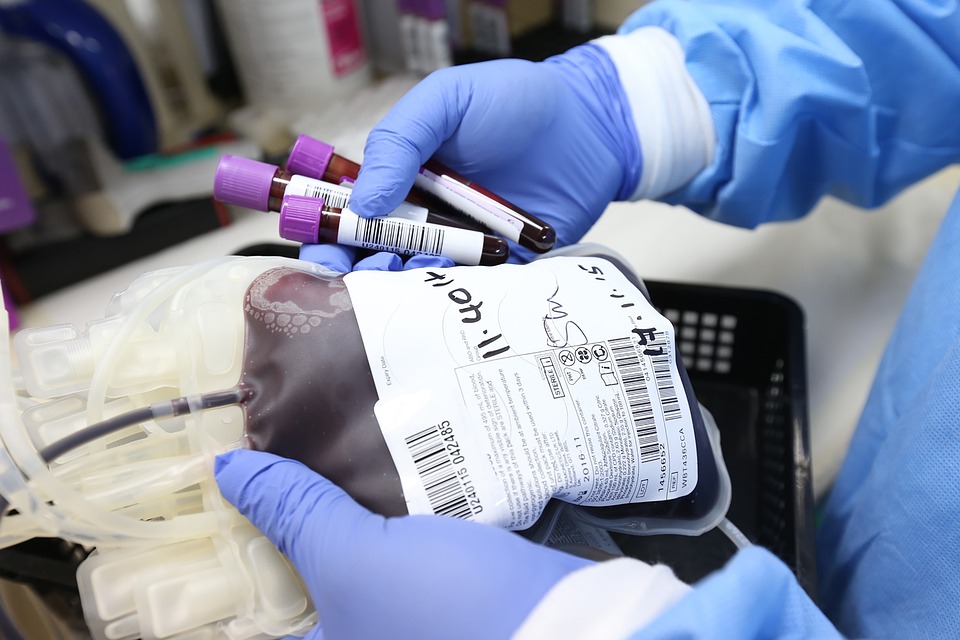
Understanding Scan Appointments In today’s fast-paced world, medical scans play a pivotal role in diagnosing health conditions early and accurately. Whether it’s an MRI, CT scan, ultrasound, or X-ray, each procedure has its unique requirements. Preparing adequately for your scan can alleviate anxiety and ensure your appointment progresses smoothly. To help you get organized, we have compiled a comprehensive checklist to guide you through your scan appointment. Before Your Appointment 1. Confirm the Appointment Double-check the date and time of your scan. Call your healthcare provider’s office to verify the details, including the location of the facility, as sometimes appointments can be moved or changed. 2. Understand the Purpose of Your Scan Communicate with your doctor about why the scan has been ordered. Understanding its purpose can help ease your concerns and make the process less intimidating. Whether it’s to catch a potential issue early or monitor an existing condition, being informed is key. 3. Awareness of Preparatory Instructions Your healthcare provider may have specific preparatory instructions based on the type of scan. Some common instructions include: Fasting: Many scans, such as ultrasounds or CT scans, may require fasting for several hours prior to the procedure. Medication Adjustments: Inform your doctor about any medications you are taking as some may require adjustments. Hydration Requirements: Some scans involve the use of contrast material, which may necessitate increased fluid intake. Dressing for Success 1. Wear Comfortable Clothing Choose loose-fitting, comfortable clothes that allow easy access while ensuring your comfort. Avoid clothing with metal fasteners, zippers, or buckles, especially if you’re having an MRI, as metal can interfere with the imaging. 2. Follow Specific Attire Instructions If you don’t receive specific clothing instructions, it’s generally a good idea to wear something simple that you can easily change in and out of. If you’re unsure, always check with the facility beforehand. Gather Necessary Documentation 1. Bring Your Insurance Card Make sure to have your insurance card and any required identification. Check your insurance coverage to understand what your plan covers regarding scans. Knowing your co-pay and deductible can also help in managing your expenses. 2. Medical Records If this scan is part of a treatment plan or is related to a previous issue, bring any relevant medical records or reports. This will provide valuable context for the technician or radiologist performing the scan. 3. Referral Documentation If your scan was referred by another physician, include referral documentation to ensure proper communication between healthcare providers. On the Day of the Appointment 1. Arrive Early Aim to arrive at least 15 to 30 minutes early. This buffer time can help you check in, fill out any last-minute paperwork, and make a calm transition into your appointment. 2. Communicate Any Changes Inform the healthcare staff about any changes in your health status, recent medications, or if you are pregnant or breastfeeding, which could affect the scan’s results or procedures. 3. Stay Calm and Ask Questions It’s perfectly normal to feel anxious before a scan. Don’t hesitate to ask questions. Understanding what to expect can significantly reduce anxiety and help you feel more comfortable. Ask about the duration of the scan, what will happen during the process, and what the next steps are after completion. Post-Scan Considerations 1. Review Next Steps After your scan, ensure you understand when and how you will receive your results. Ask your healthcare provider how results will be communicated and whether a follow-up appointment is necessary. 2. Follow Post-Scan Instructions Depending on your scan type, there might be post-scan instructions to follow, especially if you received contrast material. Staying hydrated can help speed up the process of eliminating the contrast from your body. 3. Take Care of Yourself Regardless of the scan results, remember to prioritize self-care. Waiting for results can be stressful, so engage in activities that will bring you comfort and relaxation. Conclusion Scanning technologies are invaluable tools in modern medicine, and preparing for your scan can contribute significantly to a smoother experience. By following this ultimate scan appointment checklist, you can ensure that you are well-prepared and informed, paving the way for a successful appointment and potentially better health outcomes. Remember, preparation is key, and your health is the ultimate priority.
What to Expect: A Step-by-Step Guide to Your Gynecology Scan Package

Visiting a gynecologist can spark a range of emotions—from anxiety to curiosity. If you’re scheduled for a gynecology scan, understanding what to expect can greatly alleviate any apprehension. This guide outlines each step involved in your gynecology scan package, ensuring you’re well-prepared and informed. Understanding the Gynecology Scan Package A gynecology scan package typically includes various imaging tests used to evaluate the female reproductive system. These scans may be necessary for routine examinations, diagnosing conditions, or monitoring existing health issues. Ultrasound: A non-invasive imaging technique that uses sound waves to create images of the organs within your pelvis. Pelvic Exam: Often included with the ultrasound, this physical examination allows your doctor to assess the health of your reproductive organs. Blood Tests: Often performed alongside imaging tests to check hormone levels and identify conditions. Prior to undergoing any scans, your healthcare provider will explain the specific tests included in your package and their purposes. This clarity sets the stage for an informed experience. Step 1: Preparation for Your Scan Being well-prepared can make your experience smoother. Follow these guidelines: Do Your Research: Understanding the purpose of the scan can ease anxiety. Ask your doctor any questions you may have. Fast if Required: Some scans may require you to avoid eating or drinking for a specific period beforehand. Ensure you follow any instructions provided. Wear Comfortable Clothing: Opt for loose-fitting attire to make changing into a gown easier. Arrange for Transportation: If you’re undergoing sedation or any procedure requiring assistance, have someone available to drive you home. Note: Always disclose any medical conditions, allergies, or medications you’re taking to your healthcare provider before your scan. Step 2: Arrival at the Facility Upon arrival, you’ll check in at the facility’s front desk. It’s a good idea to arrive at least 15 minutes early to fill out any required paperwork. Don’t forget to have your insurance information and identification ready. Step 3: The Pre-Scan Process After check-in, you’ll be escorted to a private room where the scans or exams will take place. Here’s what typically happens next: Health History Review: A nurse or technician will review your medical history and confirm the purpose of your visit. Preparing for the Exam: Depending on the type of scan, you may need to change into a hospital gown. The technician will provide you with instructions on what to do next. It’s completely normal to feel a little nervous during this stage. Remember, the medical team is there to help and support you. Step 4: The Scan Itself During the scan, you’ll likely undergo an ultrasound. Here’s what to expect during this process: Transabdominal Ultrasound: A technician will apply a gel to your abdomen and use a transducer to capture images. You may feel slight pressure, but it shouldn’t be painful. Transvaginal Ultrasound: In some cases, a transducer is inserted into the vagina for closer examination. This may be uncomfortable, but it should not cause pain. Throughout the scan, the technician will take multiple images, and you may be asked to hold your breath briefly or change positions. Don’t be anxious; this is part of gathering comprehensive information. Step 5: Post-Scan Instructions After the scan, the technician will clean off the gel if you underwent an abdominal ultrasound. Depending on the nature of your tests, you may receive additional instructions: Resting Time: You might need a few moments to relax before heading home, especially if sedation was involved. Follow-Up Appointments: Discuss with your doctor any necessary follow-ups or treatments based on the scan results. Step 6: Understanding Your Results Results from your gynecology scan package will typically be reviewed by your healthcare provider, who will discuss the findings with you in a follow-up appointment. This is the time to ask questions. You have the right to understand the results as well as any treatment options available. Note: Don’t hesitate to reach out to your provider if you have concerns between appointments. Clear communication fosters a collaborative approach to your health. Conclusion Undergoing a gynecology scan package might feel daunting, but being informed can help ease any apprehension. From preparation through to understanding your results, knowing what to expect empowers you to take control of your health care. Always remember, your gynecologist is there to support you through the process and address any questions or concerns. Prioritizing your gynecological health is essential for your overall well-being, so don’t hesitate to schedule your scan when needed.