

What to Expect at Your Maternity Scan: Essential Tips and Insights

Anticipating the arrival of a new life is a unique journey filled with excitement and anxiety. Among the many milestones on this path, the maternity scan—also known as the ultrasound scan—holds a special place. This critical checkup provides an invaluable opportunity to monitor the health of both mother and baby. Understanding what to expect during this appointment can help ease any apprehension and allow parents to focus on the beautiful experience of seeing their little one for the first time. Understanding Maternity Scans A maternity scan typically occurs at different points during pregnancy, with the most common being at around 12 weeks and again at 20 weeks. The ultrasound uses high-frequency sound waves to create images of the developing fetus, aiding in the assessment of growth, anatomy, and overall health. Some key functions of these scans include: Confirming the gestational age of the fetus. Checking for multiple pregnancies (twins, triplets, etc.). Assessing anatomical development and identifying any potential abnormalities. Measuring amniotic fluid levels and the placenta’s position. Monitoring the baby’s heartbeat. Preparing for Your Scan Being well-prepared for your maternity scan can enhance the experience. Here are key tips to consider: 1. Know What to Expect The appointment may last between 20 to 60 minutes. During this time, you will be asked to lie on an examination table, and a gel will be applied to your abdomen to help transmit the sound waves. You may hear the heartbeat and see the baby move on the screen. 2. Hydrate For dating scans, it’s often recommended to have a full bladder, as this can help improve image quality. Drinking water about an hour leading up to your appointment can help with this. 3. Bring Support If possible, bring a partner or a supportive friend. Sharing the experience can make it more memorable. Additionally, they can help you remember the information discussed during the scan. What Happens During the Scan? During the scan, the technician will start by applying a warm gel to your abdomen. This gel is essential for providing a clear view of the baby. Here’s what you’ll typically experience during the procedure: 1. Imaging The technician will move a handheld device called a transducer over your abdomen. This device emits sound waves that create images of your baby on the screen. You’ll see your baby’s movements, which can be an emotional and joyous moment. 2. Measurements The technician will take various measurements, including the baby’s head circumference, the length of the femur, and abdominal circumference. These measurements help assess whether the baby is growing at a healthy rate. 3. Gender Reveal During the 20-week scan, many parents opt to find out the baby’s gender. If you wish to know, let the technician know in advance. However, keep in mind that it might not always be possible if the baby is in a position that obstructs a clear view. Post-Scan Insights Your scan results will be shared with you immediately after the procedure, though a more detailed report may follow later. It’s essential to discuss any findings with your healthcare provider, who can help interpret the results and answer your questions. 1. Understanding Your Results If your scan reveals any potential concerns, don’t panic. Many issues detected during scans may resolve on their own or be closely monitored. Trust your healthcare team to guide you through any necessary steps. 2. Celebrating the Moment No matter the results, capturing this moment is significant. Consider asking the technician if it’s possible to take pictures or get prints of the scan images. These are not just memories; they will become cherished keepsakes for you and your family. Common Concerns and Questions It’s natural to have questions and concerns leading up to your maternity scan. Here are some frequently asked questions: Is the scan safe? Yes, ultrasound scans are considered safe and do not use ionizing radiation. They have been widely used for years to monitor pregnancies without known risks. What if my baby is not in a good position? If the baby is not positioned well for the best view, the technician may ask you to change positions or come back for another scan at a later date. How should I feel during the scan? While some women may feel a sense of wonder and joy, others may experience anxiety. Remember, it’s okay to express your feelings—your healthcare provider is there to support you. Conclusion Your maternity scan is a significant stepping stone in your pregnancy journey. By understanding what to expect, preparing well, and navigating the process with openness, you can embrace this moment with joy and anticipation. Whether it’s seeing your baby for the first time or getting answers to your questions, these experiences will enrich your path to motherhood. As you approach this milestone, remember to celebrate every heartbeat and movement. Your maternity scan is not just a medical exam; it’s a precious moment in the journey of bringing new life into the world.
Understanding the Different Types of Gynaecology Scans: A Comprehensive Guide

Introduction Gynaecology is a vital branch of medicine that focuses on women’s reproductive health. One of the key diagnostic tools used in this specialty is imaging, particularly scans. Gynaecological scans are crucial for diagnosing a variety of conditions, from normal anatomical assessments to the detection of potentially serious issues like fibroids, cysts, and even cancers. In this article, we will explore the different types of gynaecology scans, their purposes, advantages, and limitations. Types of Gynaecology Scans 1. Ultrasound Scans Ultrasound scans use high-frequency sound waves to create images of internal structures. There are two main types of gynaecological ultrasound: Transabdominal Ultrasound: This approach is performed by placing the ultrasound transducer on the abdomen. It is typically used for initial evaluations and can visualize organs like the uterus and ovaries. Transvaginal Ultrasound: In this method, a small transducer is inserted into the vagina, providing a closer and more detailed view of the pelvic organs. It is particularly effective for examining early pregnancies, ovarian cysts, and endometrial issues. Ultrasounds are non-invasive, generally painless, and do not use ionizing radiation. They can help detect conditions such as polycystic ovary syndrome (PCOS), fibroids, endometriosis, and ectopic pregnancies. 2. Magnetic Resonance Imaging (MRI) MRI employs a powerful magnetic field and radio waves to produce detailed images of organs and tissues inside the body. It is particularly useful for visualizing soft tissues, offering superior contrast compared to ultrasound. In gynaecology, MRI is beneficial in: Assessing complex cases of endometriosis Evaluating pelvic masses Determining the extent of cancers of the reproductive organs While MRI is highly effective, it is more expensive than ultrasound and generally not the first imaging choice for routine evaluations. 3. Computed Tomography (CT) Scans CT scans use multiple X-ray images and computer processing to produce cross-sectional images of the body. While not commonly the first line for gynaecological issues, they can be useful in certain situations: Identifying larger pelvic masses Evaluating complications associated with diseases Staging cancers CT scans offer excellent spatial resolution but involve exposure to radiation, making them less favorable for young women unless absolutely necessary. 4. Hysterosalpingography (HSG) HSG is a specialized X-ray procedure used to examine the uterus and fallopian tubes. A contrast dye is injected through the cervix, allowing the physician to visualize the shapes of the uterus and check for blockages in the fallopian tubes. This scan is often performed in cases of infertility assessment and can provide critical information about uterine anomalies and tubal patency. 5. Sonohysterography (SHG) SHG, also known as saline infusion sonography, involves injecting sterile saline into the uterine cavity during a transvaginal ultrasound. This enhances the visualization of the endometrial lining and can help identify polyps, fibroids, and other abnormalities. SHG is less invasive than HSG and provides a clear view of the uterus without the need for radiation. When to Have a Gynaecology Scan Understanding when and why to undergo a gynaecological scan is essential. Here are some common indications: Abnormal vaginal bleeding Pelvic pain or discomfort Unexplained changes in menstrual cycle Infertility issues Pregnancy complications Monitoring known conditions such as fibroids or ovarian cysts It is crucial to discuss any symptoms and concerns with a healthcare provider to determine the most appropriate type of scan. Future Directions in Gynaecology Imaging Advancements in imaging technologies continue to enhance the ability of healthcare providers to diagnose and treat gynaecological conditions effectively. Innovations like 3D ultrasound and artificial intelligence are promising to improve accuracy and patient outcomes. Studies are ongoing to explore the use of contrast-enhanced ultrasound and even molecular imaging techniques. Conclusion Gynaecology scans are invaluable tools in understanding and managing women’s health. Each type of scan offers unique advantages, and the choice depends on individual circumstances, symptoms, and specific diagnostic needs. Awareness and understanding of these imaging methods empower women to make informed decisions about their health, leading to better outcomes. © 2023 Gynaecological Health Inc.
The Future of Women’s Health: Innovations in Care and Technology

In recent years, the landscape of healthcare has been shifting with unprecedented speed, but perhaps no area stands to gain as significantly as women’s health. As technology advances and patient-centric care models evolve, women are expected to reap the benefits of innovative practices and solutions tailored to their unique health needs. From reproductive health to chronic disease management, the future promises a blend of cutting-edge technology and compassionate care. Revolutionizing Reproductive Health Women’s reproductive health is one of the most rapidly evolving domains in medicine. Technology such as wearables and mobile applications are empowering women to take charge of their reproductive health in ways never previously possible. For example, apps that track menstrual cycles provide insights into ovulation, fertility, and hormonal health, thereby helping women plan pregnancies more effectively and manage menstrual symptoms. However, the revolution doesn’t stop here. Artificial intelligence (AI) is beginning to play a role in predictive analytics, providing tailored health recommendations based on individual cycle data. Furthermore, initiatives like Telehealth have democratized access to reproductive health services, especially for women in rural or underserved areas, allowing them to consult with specialists without the burden of travel. Pioneering Insights with Genomic Medicine Genomic medicine is another exciting frontier that has the potential to significantly impact women’s health. The advent of affordable genetic testing has opened new doors for preventive care, particularly in cancer genetics. Women with BRCA mutations, for instance, can now make informed decisions about their health, including enhanced screening protocols or preventive surgeries. Moreover, ongoing research into personalized medicine suggests that women may respond differently to treatments than men, owing to genetic and hormonal differences. As we gain a fuller understanding of this, treatments can become more targeted and effective, ultimately improving outcomes in conditions ranging from autoimmune diseases to heart health. Enhancing Mental Health Support Mental health remains a critical yet often neglected component of women’s overall well-being. The pandemic highlighted the importance of mental health, especially for women juggling the demands of work, family, and societal expectations. Innovations in technology are increasingly addressing these concerns through teletherapy and online support groups. Platforms like BetterHelp and Talkspace have gained popularity, providing an accessible avenue for women to seek mental health support without the stigma that can accompany in-person visits. These services allow women to communicate with licensed therapists via text, audio, or video, making mental health care more adaptable to busy lifestyles. Integration of Wearable Tech The blending of fitness and healthcare through wearable technology is revolutionizing how women approach their health. Devices like smartwatches now offer insights not only into physical activity but also into stress levels, sleep quality, and even menstrual health. These wearables can monitor skin temperature, heart rate variability, and other indicators that can signal when a woman may be facing health challenges. Emerging technologies such as the “smart tampon,” equipped with sensors to monitor physiological changes, are also in the pipeline. This innovation could provide real-time data on a woman’s health, allowing for preventative measures before a more serious issue arises. Chronic Disease Management and Integrated Care Chronic diseases disproportionately affect women, often underdiagnosed or overlooked by traditional healthcare systems. Conditions like autoimmune diseases, heart disease, and diabetes exhibit different symptoms and progression in women compared to men. The future of women’s health will rely on integrated care models that focus on these specifics. For instance, platforms that encourage collaboration between primary care physicians, specialists, nutritionists, and mental health professionals will enhance the overall quality of care. Integrative approaches aim to address the holistic needs of women, gearing attention toward prevention, education, and support systems that prioritize women’s health experiences. Community and Peer Support Networks As technology continues to evolve, so too does the idea of community support. Digital platforms are not only facilitating care but also fostering community. Various social media groups and online forums have emerged focused on specific women’s health issues, thus creating safe spaces for shared experiences and mutual support. These platforms provide a vital source of information, encouragement, and camaraderie, particularly for those facing unique health-related challenges. By bridging the gap between medical professionals and patients, women are not just passive recipients of health information but active participants in their own care. Looking Ahead: Addressing Systemic Challenges While the innovations on the horizon are promising, it’s crucial to recognize the systemic challenges that remain. Access to care, affordability, and educational disparities continue to pose significant barriers. As women’s health evolves, it’s imperative to focus on equity, ensuring that every woman—regardless of socioeconomic status or geographic location—has access to these advancements. Policy changes that support women’s health initiatives and funding for research specifically targeting women are vital. This must be coupled with a commitment to unbiased clinical research that spans diverse populations. By championing these causes, we can ensure that future innovations remain inclusive and beneficial to all women. Conclusion The future of women’s health is bright, driven by a wave of innovations in care and technology. As we move forward, the emphasis must be placed not only on what these advancements can do but also on how they can be made accessible to all women. Continued collaboration among healthcare providers, technologists, policymakers, and communities will be paramount in fulfilling the promise of a healthier future for women everywhere. By: Health Writer Date: October 2023
Streamlining Ultrasound Appointments: What You Need to Know

Ultrasound imaging has become an integral part of modern healthcare, serving various purposes ranging from obstetric assessments to cardiac evaluations. As the demand for ultrasound services grows, both healthcare professionals and patients are looking for ways to streamline the appointment process. But what does it mean to ‘streamline’ an ultrasound appointment, and how can technology and efficient practices improve patient experiences? This article explores the methods and technologies that are reshaping how ultrasound appointments are scheduled, managed, and executed. The Importance of Efficient Ultrasound Appointments In a healthcare system where time is a precious commodity, efficient ultrasound appointments can lead to improved patient outcomes. According to a survey conducted by the American College of Radiology, 40% of patients reported anxiety about long wait times before their ultrasound appointments. Inefficiencies can lead to missed diagnostic opportunities, increased patient stress, and ultimately, delayed treatments. Thus, streamlining ultrasound appointments is not merely a bureaucratic concern but a matter of patient welfare. Technological Innovations Revolutionizing Appointment Management Advanced technology has transformed many aspects of healthcare, including the organization of ultrasound appointments. Here are some key innovations currently in play: Telemedicine: The rise of virtual consultations has allowed patients to meet with their healthcare providers online, streamlining the referral process. This immediate interaction enables the doctor to explain the necessary procedures and any preparatory steps, reducing confusion later on. Online Booking Systems: Many healthcare facilities now offer user-friendly online appointment scheduling. Patients can easily select available time slots that fit their schedules, minimizing back-and-forth calls that can often delay the booking process. Automated Reminders: Automated text and email reminders can substantially reduce no-show rates. Studies indicate that text message reminders can cut missed appointments by up to 30%—a significant efficiency boost for healthcare providers. Optimizing the Visit Experience Once the appointment is scheduled, the focus shifts to ensuring a smooth visit for the patient. Here are some best practices being adopted by medical facilities: Streamlined Check-in Processes: Utilizing tablets or self-service kiosks can make check-in more efficient. This minimizes waiting times and allows staff to focus on patient care instead of paperwork. Pre-Appointment Education: Sending educational materials via email or a dedicated app can inform patients about what to expect during their ultrasound. Understanding the procedure can alleviate anxiety and improve patient cooperation. Sonographer Training: The quality of the ultrasound experience often hinges on the person administering it. Facilities that invest in comprehensive training for sonographers report higher patient satisfaction and efficiency in conducting scans. Collaboration with Healthcare Providers Streamlining ultrasound appointments also involves optimizing the relationship between healthcare providers. Open lines of communication between primary care providers, radiologists, and sonographers can lead to better-prepared patients and more timely diagnoses. For instance, when referrers provide detailed information about the clinical indications for the ultrasound, radiologists can select appropriate protocols beforehand, thereby minimizing redundant scans. This collaborative approach also encourages interdisciplinary discussions that can expedite decision-making regarding further diagnostics or treatment plans. Challenges in Streamlining Procedures Despite the proactive measures being adopted to streamline ultrasound appointments, several challenges remain: Limited Resources: Many healthcare facilities may not have the financial or human resources to implement advanced technologies or staff training protocols, resulting in bottlenecks in the appointment process. Patient Demographics: Different patient populations may have varying levels of comfort with technology. Ensuring that older adults and less tech-savvy patients can effectively engage with online systems poses a challenge. Insurance Procedures: The insurance approval process can cause delays that are entirely outside the control of the facility. Streamlining the pre-authorization requirements can significantly affect appointment efficiency. Patient-Centric Approaches Increasingly, healthcare facilities are adopting a patient-centric approach that places the needs and experiences of patients at the forefront. This shift involves: Flexible Scheduling: Offering extended hours or weekend appointments to accommodate different work schedules can significantly enhance patient satisfaction. Feedback Mechanisms: Patient surveys post-appointment allow facilities to identify areas for improvement rapidly. Implementing changes based on real-time feedback helps create an ongoing loop of optimization. The Future of Ultrasound Appointment Management The momentum toward streamlining ultrasound appointments is expected to continue as technology progresses and patient needs evolve. Emerging technologies like artificial intelligence (AI) could further aid in scheduling and diagnostic processes, potentially analyzing patient data to optimize appointment times based on medical necessity. Moreover, as telehealth continues to gain traction, the integration of remote monitoring tools that can work in conjunction with ultrasound services may redefine the way patients interact with healthcare providers. By staying adaptable, medical facilities can ensure they meet the ever-changing demands of their patients. Conclusion Streamlining ultrasound appointments is a multifaceted endeavor that combines technology, efficient practices, and patient-centered care. By leveraging advancements in telehealth and online scheduling, optimizing check-in processes, and fostering collaboration among healthcare providers, facilities can create a more efficient and satisfying experience for patients. As we look to the future, it is clear that a focus on efficiency will not only improve operational metrics but also enhance patient outcomes, making the investment worthwhile for healthcare providers everywhere. © 2023 Healthcare Insights. All rights reserved.
What to Expect: A Comprehensive Guide to Gynecology Scans

Gynecology scans are essential diagnostic tools in women’s health, providing invaluable insights into reproductive health and early detection of various conditions. Understanding these scans can empower women to take charge of their health. This guide will walk you through the types of gynecology scans, their purposes, and what to expect during the process. Why Are Gynecology Scans Important? The field of gynecology addresses a broad range of health issues, from routine check-ups to more complex concerns like infertility or abnormal bleeding. Gynecology scans are crucial for: Disease Detection: Early identification of conditions like ovarian cysts, fibroids, and cancers. Monitoring Health: Keeping track of existing conditions and assessing treatment efficacy. Prevention: Identifying risks and taking preventive measures for potential health issues. Types of Gynecology Scans 1. Ultrasound Ultrasound uses sound waves to create images of the internal organs. It’s a non-invasive procedure often employed during routine examinations. Transabdominal Ultrasound: The probe is placed on the abdomen; it’s often used for early pregnancy assessments and general organ evaluation. Transvaginal Ultrasound: This involves inserting a probe into the vagina, providing clearer images of the ovaries and uterus, particularly useful for diagnosing conditions like cysts or fibroids. 2. MRI (Magnetic Resonance Imaging) An MRI uses powerful magnets and radio waves to create detailed images of organs and tissues. It’s often used in more complex cases where the ultrasound results are inconclusive. Common Uses: MRI is useful for evaluating the anatomy of the pelvis, detecting endometriosis, and assessing tumors. 3. CT Scan (Computed Tomography) While not the first choice for gynecological issues, a CT scan can provide cross-sectional images of the body and is used to investigate abdominal pain or irregularities. 4. Hysterosalpingography (HSG) This X-ray procedure assesses the patency of the fallopian tubes and the shape of the uterine cavity. A contrast material is injected into the uterus, making it visible on the X-ray images. What to Expect During a Gynecology Scan Preparation Preparation can vary based on the type of scan. Generally, patients may be asked to: Avoid eating or drinking for a specific period before the scan. Empty their bladder prior to the procedure, particularly for ultrasound scans. Wear comfortable clothing, preferably without metal fasteners that can interfere with imaging. The Procedure During the scan, especially transvaginal ultrasounds or HSGs, you may feel some discomfort but minimal pain. Here’s a brief on what typically occurs for various scans: Ultrasound: You will lie down as a gel is applied to the area being scanned. The technician will then move the transducer over your abdomen or insert it vaginally to get clear images. MRI: You will be asked to lie on a movable table that slides into the MRI machine. It is crucial to remain still during the procedure for quality images. CT Scan: Similar to MRI, but you will be positioned under a large machine. You may receive a contrast agent through an IV for clearer images. HSG: You will lie on an exam table, and a speculum will be used to open the vagina. The contrast will be injected through a thin tube inserted into the uterus, and X-ray images will be taken immediately. Post-Procedure Once the scan is completed, there may be some residue from the gel or contrast material, but it is usually harmless. Results might be immediate or take a few days, depending on the type of scan and your healthcare provider’s protocols. Note: Always consult your healthcare provider with any questions or concerns regarding the results of your scan or what the next steps should be. Potential Risks and Considerations While gynecology scans are generally safe, it’s vital to be aware of the potential risks. For example: Radiation Exposure: CT scans expose patients to radiation, which should be minimized, especially for women of childbearing age. Emotional Impact: The findings can cause anxiety. It’s crucial to discuss results and implications with your healthcare provider. Looking Ahead: The Importance of Follow-Up After undergoing a gynecology scan, follow-ups with your healthcare provider are crucial. Discuss any findings, potential treatments, and lifestyle changes that can improve your reproductive health. Finally, understand that while gynecology scans can sound daunting, they are vital in maintaining and improving women’s health. Taking the time to understand them can significantly alleviate anxiety and lead to better health outcomes. Regular check-ups and open communication with your healthcare provider can foster a proactive approach to health.
10 Essential Tips for a Healthy and Happy Pregnancy

Pregnancy is a profound journey filled with excitement, anticipation, and inevitably, a fair share of challenges. As your body goes through transformative changes and your life evolves to welcome a new member, it is essential to prioritize your health and well-being. Here are ten essential tips to nurture your mind, body, and spirit during this beautiful phase of life. 1. Prioritize Prenatal Care From the moment you learn you are pregnant, begin regular prenatal check-ups. These visits are crucial for monitoring your health and the baby’s development. Your healthcare provider will guide you through necessary screenings, blood tests, and ultrasounds, ensuring both you and your baby are thriving. 2. Maintain a Healthy Diet A balanced diet plays a pivotal role in ensuring a healthy pregnancy. Focus on a variety of foods, including: Fruits and vegetables Whole grains Lean protein sources such as poultry, fish, eggs, and legumes Dairy products for calcium Moreover, stay hydrated and limit processed foods, sugars, and caffeine while avoiding certain seafood high in mercury and unpasteurized products. 3. Exercise Regularly Staying active during pregnancy can help reduce stress, improve sleep, and prepare your body for childbirth. However, it’s crucial to choose appropriate activities. Consider: Walking Swimming Prenatal yoga Always consult with your healthcare provider before starting any exercise regimen to ensure safety for both you and your baby. 4. Manage Stress Pregnancy can be a rollercoaster of emotions. Stress management is vital for a happy pregnancy. Techniques such as meditation, deep breathing, and prenatal yoga can help ease anxiety. Additionally, connecting with support groups, family, or friends can provide a sense of community and understanding. 5. Get Plenty of Sleep The body needs extra rest during pregnancy. Prioritize sleep by establishing a routine and investing in comfortable bedding. If you’re experiencing sleep disturbances, try sleeping on your side or using pillows for support. Remember, adequate rest is important for both physical and emotional well-being. 6. Educate Yourself Knowledge is empowering. Attend prenatal classes to prepare for childbirth and parenting. Many hospitals and centers offer classes covering topics such as newborn care, breastfeeding, and labor techniques. Books, online courses, and podcasts can also be valuable sources of information. 7. Stay Connected with Your Partner Pregnancy can impact relationships, and maintaining open communication with your partner is crucial. Share your feelings, concerns, and experiences. Plan activities you both enjoy, and don’t forget to celebrate milestones together. This bond will strengthen as you prepare to welcome your new addition. 8. Limit Stressful Situations While it might be impossible to eliminate all stress, recognizing and reducing stressful triggers can create a more comfortable environment. Focus on activities that bring joy and relaxation. Avoid overwhelming situations and consider delegating tasks to maintain balance during this transformative time. 9. Prepare for Postpartum While it’s easy to get wrapped up in pregnancy, preparing for the postpartum period is equally important. Discuss expectations regarding postpartum recovery with your healthcare provider, including mental health issues like postpartum depression. Consider creating a support system of family and friends who can assist you after the baby arrives. 10. Listen to Your Body Your body is undergoing significant changes; hence, it’s vital to listen to its cues. If something feels off, don’t hesitate to reach out to your healthcare provider. Whether it’s unusual pain, excessive swelling, or mental health concerns, seeking help ensures safety and reassurance during your pregnancy journey. Conclusion The path to motherhood can be both exciting and daunting, but with the right approach, it can also be profoundly rewarding. By prioritizing your health, staying informed, and nurturing your relationships, you set the foundation for a joyful pregnancy experience. Remember, every pregnancy is unique, and what works for one might not work for another. Trust your instincts, seek support, and above all, embrace this beautiful journey.
Your Pregnancy Journey Starts Here: Essential Tips for Finding the Best Clinic
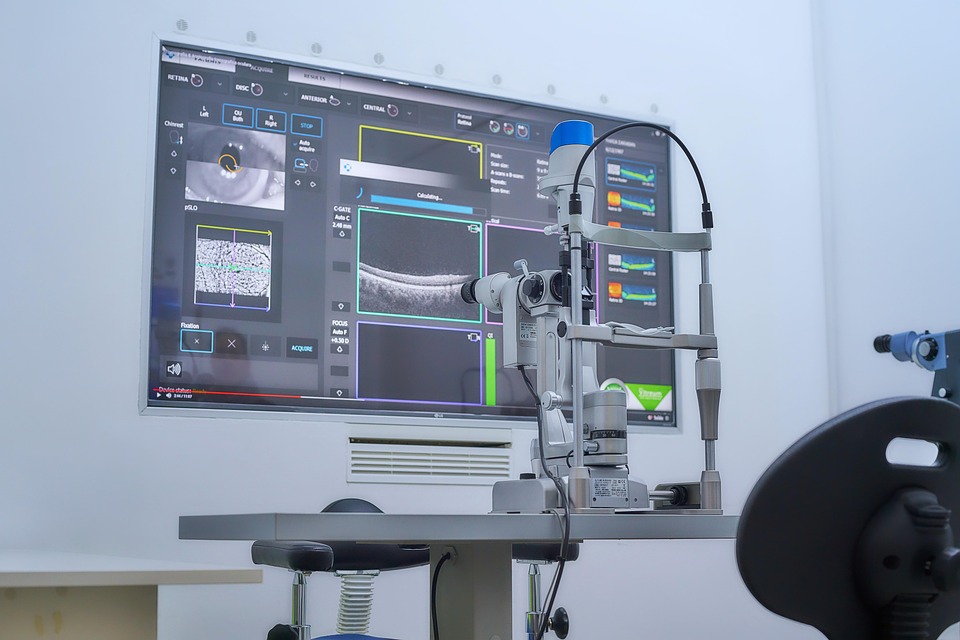
Embarking on the pregnancy journey is one of the most profound experiences of a woman’s life. It can also be one of the most overwhelming, especially when it comes to finding the right clinic for your needs. With countless options available, choosing a facility that aligns with your values, preferences, and medical requirements is crucial. This article dives into essential tips for selecting the best clinic for your pregnancy journey, so you can focus on what truly matters—bringing your baby into the world. Understand Your Unique Needs The first step in finding a suitable clinic is to understand your unique needs and preferences. Consider the following factors: Your Health History: are there any pre-existing conditions such as diabetes, hypertension, or previous pregnancy complications that may require specialized care? Your Birth Plan: are you looking for a specific type of birth experience, such as home birth, water birth, or an epidural? Your Support System: will you have a partner, family member, or friend accompanying you during appointments? Location: how far are you willing to travel for prenatal visits and the delivery? Research Clinics in Your Area Once you have a grasp of your needs, it’s time to start researching clinics. Here are several methods to gather information: Online Reviews: Websites like Healthgrades and Yelp can offer insights from other mothers about their experiences. Social Media: Join local parenting or pregnancy groups on platforms like Facebook to get personal recommendations. Ask Your Network: Friends, relatives, and coworkers who have recently gone through pregnancy can provide valuable insights about their experiences. Assess the Clinic’s Credentials After narrowing down your list, it’s vital to evaluate the clinics’ credentials. Consider these items: Accreditation: Ensure that the clinic is accredited and complies with state and national maternal care standards. Experience: Look into the clinic’s years of operation and the experience of the healthcare providers. Specialties: Some clinics may specialize in high-risk pregnancies or specific treatments. Make sure they align with your needs. Meet the Providers Once you’ve identified potential clinics, schedule consultations with the healthcare providers. Here are some questions to ask: What is your philosophy on pregnancy and childbirth? Understanding their approach can help you gauge how well it aligns with your preferences. What is your approach to prenatal care and monitoring during labor? This will give you insight into their methods and practices. How do you handle complications during pregnancy or labor? This is crucial for peace of mind. The most important aspect is to ensure that you feel comfortable and supported in the provider’s care. Trust your instincts—if something feels off, don’t hesitate to keep searching. Evaluate the Clinic’s Facilities Visiting the clinic and evaluating its facilities is another essential step: Cleanliness: A well-maintained facility is indicative of how seriously the clinic takes patient care. Comfort: The waiting room and examination rooms should be welcoming and comfortable. Equipment: Make sure the clinic is equipped with modern technology and offers the necessary prenatal imaging services. Check for Insurance Compatibility Before making your final decision, verify whether the clinic accepts your health insurance. Contact your insurance provider to understand your coverage options and any out-of-pocket expenses you may incur. Many clinics have financial advisors who can help you navigate these details. Consider the Support System Your experience at a clinic can greatly be influenced by its support system. Check if the clinic offers: Childbirth Education Classes: These can prepare you for your labor and postpartum experience. Breastfeeding Support: Look for clinics with lactation consultants available. Emotional Support: Postpartum mental health resources are crucial for new mothers. Trust Your Gut Finally, trust your gut feeling. The right clinic for someone else may not necessarily align with your vision for your pregnancy journey. If you feel at ease in an environment, that’s often a sign that it’s a good fit for you. If something doesn’t feel right—even if everything checks out on paper—it’s okay to look elsewhere. Conclusion Your pregnancy journey begins long before you hold your baby in your arms. Choosing the right clinic can make a significant difference in your experience, providing you peace of mind and support during this transformative time in your life. Take the time to research, ask questions, and trust your instincts, enabling you to embark on this amazing journey feeling empowered and well-prepared.
From 2D to 4D: The Evolution of Gynecological Imaging Techniques

The field of gynecology has witnessed remarkable advancements in imaging technology over the past few decades, revolutionizing the way healthcare providers monitor and diagnose female reproductive health conditions. From conventional 2D scans to sophisticated 4D imaging techniques, the evolution of gynecological imaging reflects a blend of scientific innovation and clinical necessity. In this article, we’ll explore these advancements and their implications for patient care. The Early Days of Gynecological Imaging: 2D Ultrasound Two-dimensional (2D) ultrasound technology emerged as a cornerstone in gynecological imaging during the early 1980s. This technique provided practitioners with a non-invasive and safe way to visualize the female reproductive organs. By emitting high-frequency sound waves, 2D ultrasound created images of the ovaries, uterus, and other reproductive structures, allowing for the diagnosis of a range of conditions such as cysts, fibroids, and early pregnancy detection. While 2D ultrasound significantly altered the landscape of gynecological diagnostics, its limitations were evident. The images produced were flat, often leading to misinterpretations or incomplete assessments. Physicians had to rely heavily on their expertise to piece together information from these two-dimensional images, at times resulting in inaccurate diagnoses. The Introduction of 3D Ultrasound In the 1990s, the introduction of three-dimensional (3D) ultrasound marked a significant advancement, allowing practitioners to view anatomical structures in a more realistic and detailed manner. This technology utilized the same principles as 2D ultrasound, but instead of producing flat images, it assembled a comprehensive volume of data into three-dimensional representations. With 3D ultrasound, the visualization of the uterus and ovaries became much clearer. Gynecologists could assess structures with unprecedented accuracy, aiding in the diagnosis of uterine anomalies, gestational age determination, and even congenital defects. The shift from 2D to 3D not only improved diagnostic capabilities but also enhanced communication between healthcare providers and patients. Expecting mothers could now see realistic images of their developing fetus, transforming prenatal visits into more engaging experiences. The Emergence of 4D Ultrasound Building upon the advancements made with 3D ultrasound, the evolution to four-dimensional (4D) imaging brought an even greater dimension to gynecological imaging. 4D ultrasound introduces the element of time, providing real-time moving images of the fetus and other structures. This advancement has become particularly popular during pregnancy, allowing healthcare providers to observe fetal movements, expressions, and even characteristics that were previously difficult to assess. The applications of 4D ultrasound extend beyond obstetrics. Gynecologists use this technology to visualize complex pelvic anatomy and assess conditions such as endometriosis and ovarian tumors. The capability to see dynamic processes offers a more comprehensive approach to evaluating and diagnosing various gynecological conditions. Benefits of Modern Imaging Technologies The transition from 2D to 4D ultrasound not only enhances diagnostic capabilities but also offers numerous benefits to patients: Enhanced Accuracy: The detailed imaging provided by 3D and 4D ultrasound helps in more accurate diagnoses, reducing the risk of misinterpretation. Minimally Invasive: Ultrasound is non-invasive, offering a safe alternative to more invasive diagnostic procedures. Real-time Feedback: Healthcare providers can monitor conditions as they evolve, allowing for timely interventions. Patient Engagement: Visualizing test results in real-time fosters better communication and understanding between patients and providers. Challenges and Considerations Despite the advancements, the evolution of gynecological imaging techniques has not been without challenges. The high costs associated with 3D and 4D technologies can be prohibitive, especially in low-resource settings. Additionally, there are concerns surrounding the overuse of advanced imaging techniques, which could lead to unnecessary interventions or increased anxiety in patients. Moreover, the interpretation of 3D and 4D ultrasound images requires specialized training and expertise. Misinterpretations can occur, emphasizing the necessity of proper education and familiarity with the technology among healthcare providers. The Future of Gynecological Imaging As technology continues to evolve, the future of gynecological imaging is promising. Innovations such as artificial intelligence (AI) are poised to transform how healthcare providers analyze imaging data. AI algorithms can assist in detecting anomalies in ultrasound images, potentially increasing diagnostic accuracy and easing the burden on radiologists. Moreover, the integration of telehealth with imaging technology opens new avenues for patient care. Patients in remote areas could access specialized gynecological services, enabling them to receive timely diagnoses and treatment plans without the need for travel. Conclusion The journey from 2D to 4D imaging in gynecology underscores the incredible potential of technological advancements in improving patient care. By enhancing diagnostic capabilities and fostering better communication between healthcare providers and patients, these innovations have transformed the field of gynecology. As we move forward, it is imperative that we navigate the challenges associated with new technologies, ensuring that advancements are accessible and beneficial for all.
Breaking Barriers: A Closer Look at Women’s Healthcare Initiatives

Women’s healthcare has historically been an area of neglect in public health discussions. Despite clear evidence supporting the need for comprehensive women’s health services, disparities in access and quality continue to exist globally. Recent initiatives are breaking new ground—and barriers—as they strive to provide tailored, effective healthcare to women across different demographics. This article delves into various women’s healthcare initiatives aimed at addressing these challenges. The Importance of Women’s Healthcare Women represent about half of the global population, and their health directly influences the health of communities and economies. The World Health Organization (WHO) points out that maternal mortality rates, reproductive health challenges, and gender-specific diseases all underline the need for focused healthcare initiatives. The neglect of women’s health has repercussions: when women lack access to the care they need, entire families suffer. Innovative Initiatives Around the World Several groundbreaking initiatives are emerging worldwide, tackling barriers that impede women from receiving adequate healthcare. These initiatives range from policy advocacy to the creation of specialized health centers and mobile health technologies. 1. The Women’s Health Initiative (WHI) The WHI is among the largest randomized controlled clinical trials concerning health issues specific to postmenopausal women. Originally launched in the United States in 1993, it has provided valuable data concerning hormone therapy’s risks and benefits and overall health maintenance strategies. Findings from WHI have led to a better understanding of cardio-metabolic health, diabetes, and breast cancer risk, changing healthcare protocols across the nation. The WHI showcases the importance of long-term research focused entirely on women, a previously underrepresented demographic in clinical trials. By prioritizing women in research, the initiative has influenced policy changes to enhance women’s health services significantly. 2. Mobile Health Solutions In remote areas, particularly in low-income countries, mobile health technologies have become a game-changer. Initiatives like “mHealth for Women” utilize mobile platforms to provide health information, reminders for check-ups, and even telemedicine consultations. For many women, especially in rural regions, these services break down barriers related to transportation and accessibility. For example, in India, the “Arogya World” initiative leverages text messaging to send health tips and reminders about immunizations and prenatal care, leading to increased awareness and improved health outcomes. 3. Community Health Workers Community health workers (CHWs) play an essential role in bridging gaps in healthcare, particularly in underserved communities. Programs that train and deploy CHWs are proving effective in many regions. For example, in sub-Saharan Africa, the CHW model has demonstrated success in maternal and child health, where local women are trained to provide care, distribute medications, and educate peers on health issues. According to a study published in the Health Affairs Journal, regions that employed CHW initiatives reported a significant decrease in maternal and infant mortality rates. This model not only empowers women but also creates a sense of shared responsibility within communities. Policy Changes Driving Progress While grassroots initiatives make a substantial impact, systemic change is necessary for lasting progress. Policies aimed at enhancing women’s healthcare rights are vital for sustaining these initiatives. The implementation of laws such as the Affordable Care Act (ACA) in the United States has expanded access to reproductive health services, including prenatal care and contraception, improving healthcare outcomes for millions of women. Moreover, the recent push for universal healthcare coverage is gaining momentum in many countries. Policies that incentivize comprehensive women’s health services can transform healthcare systems. Countries like Finland and Sweden are shining examples of how inclusive healthcare policies can lead to better health outcomes for women. Challenges Still Ahead Despite the advancements, significant challenges remain. Issues such as income inequality, inadequate educational resources, and cultural stigmas continue to pose barriers to women’s healthcare access. Furthermore, the COVID-19 pandemic has exacerbated existing inequalities, highlighting the necessity for resilient healthcare frameworks that can withstand crises. Organizations like “Women Deliver” advocate for the equal distribution of healthcare resources, emphasizing the need for policies that ensure that the advancement in women’s healthcare is inclusive and equitable. By highlighting women’s unique health needs, they call for better funding and support for health initiatives focused on women. A Future of Health Equity As we look toward the future, the ongoing fight for women’s healthcare equity remains crucial. Initiatives that break barriers must focus not only on providing care but also on empowering women to advocate for their health rights. Education and awareness are paramount; women must be informed about their healthcare options and rights to facilitate change. The role of technology in health is growing, particularly in providing platforms for peer support and counseling. Virtual support groups and online resources can create safe spaces for women to share their experiences, access information, and find community-driven solutions. Conclusion Women’s healthcare initiatives are breaking barriers, but the work is far from over. It is vital for stakeholders—governments, non-profits, and the private sector—to prioritize women’s health, ensuring they receive the comprehensive care they deserve. As these initiatives evolve, they not only uplift individual women but also foster healthier communities and societies. Empowering women through dedicated healthcare strategies will ultimately lead to a more equitable and just world.
“Everything You Need to Know About Booking Your Ultrasound Appointment”

Understanding Ultrasounds Ultrasound imaging, also known as sonography, is a non-invasive medical test that uses high-frequency sound waves to create images of organs and structures inside the body. Most commonly associated with pregnancy, ultrasounds are used to view the heart, blood vessels, kidneys, and other internal organs, aiding in diagnosis, monitoring, and treatment planning. When to Book an Ultrasound Booking an ultrasound typically stems from a healthcare provider’s recommendation based on symptoms or routine screenings. Common reasons for an ultrasound include: Determining the gestational age and health of a fetus during pregnancy Investigating abdominal or pelvic pain Assessing conditions like gallstones, kidney stones, or liver diseases Monitoring blood flow and vascular health Finding an Ultrasound Facility Once you have a referral from your physician, the next step is selecting a facility. Consider the following: Type of Facility: Ultrasounds can be conducted in hospitals, imaging centers, or clinics. Verify that the facility is accredited and meets safety standards. Insurance Considerations: Call your insurance provider to confirm which facilities are in-network, as this will impact your costs. Reviews and Ratings: Look for patient reviews online or ask for recommendations from your healthcare provider. Booking Your Appointment Once you have selected a facility, it’s time to book your appointment. Many facilities offer online scheduling, but you may also call directly to secure a time. When booking, here are some key points to consider: Information to Have Ready Be prepared with the following information when booking your appointment: Your full name and date of birth Your physician’s name and contact information Details about your condition or reason for the ultrasound Your insurance information, including policy number Timing of Your Appointment The timing can vary greatly depending on the type of ultrasound: Routine Pregnancy Ultrasound: Ideally scheduled around 8-14 weeks, or 18-20 weeks for detailed anatomy scans. Emergency Situations: For acute symptoms, an ultrasound may need to be arranged immediately. Preparing for Your Ultrasound How you prepare for your ultrasound largely depends on the type of examination you’ll undergo. Here are some general tips: Common Preparation Guidelines Fasting: For some abdominal ultrasounds, fasting for 6-8 hours prior may be required. Full Bladder Requirement: For pelvic ultrasounds, drinking water beforehand to fill your bladder can improve image quality. Follow specific instructions given by the facility. Dressing Comfortably: Wear comfortable clothing and avoid accessories that may need to be removed. What to Expect During the Procedure Arriving at the facility, you’ll check in and may need to fill out some paperwork. A technician will escort you to the ultrasound room where the procedure will take place. Here’s what you can expect: Ultrasound Process The process is generally straightforward: You’ll be asked to lie down on an exam table. A translucent gel will be applied to the area being examined to help transmit sound waves. A transducer will then be moved over the area, capturing images that will be displayed on a monitor. The procedure typically lasts 30 to 60 minutes, depending on complexity. After the Appointment Once the ultrasound is complete, the technician will clean off the gel and allow you to dress. Most facilities will provide results directly to your physician, who can discuss findings with you during your next visit. If immediate follow-up is necessary, the facility will often inform you before you leave. Understanding Your Results Receiving ultrasound results can generate anxiety, especially if findings are unexpected: Normal Findings: No abnormalities will be reported, and routine health monitoring may continue. Abnormal Findings: Additional testing or monitoring may be recommended, which could involve further imaging or biopsies. Conclusion Booking an ultrasound appointment may seem daunting, but understanding the process can ease any apprehensions. By knowing the necessary preparations and what to anticipate, you’ll be better equipped for your appointment. Always remember that open communication with your healthcare provider can alleviate concerns and guide you through any necessary next steps.